20 Years Of Priority Review Vouchers, A Tool For Spurring Needed Drugs
Companies Mentioned
Why It Matters
PRVs provide a rare financial lever that can attract investment into low‑profit drug pipelines, directly influencing the availability of treatments for diseases affecting billions of underserved people.
Key Takeaways
- •PRVs sell for $21 M‑$350 M; 2026 price around $200 M
- •MDGH netted ≈US$28 M from selling its moxidectin voucher
- •Ghana approved moxidectin 2024, first new river‑blindness drug in 30 years
- •Voucher program now includes rare pediatric diseases and medical countermeasures
- •Critics say vouchers lack affordability conditions, risk “gaming” the system
Pulse Analysis
The priority review voucher was born from a 2006 health‑economics paper and swift bipartisan action, offering drug developers a tradable ticket that accelerates FDA review by six to ten months. By attaching a monetary value to regulatory speed, the program funds its own administration—$2.8 million per application in 2018—and has generated a secondary market where vouchers routinely change hands for hundreds of millions of dollars. This mechanism has proven especially valuable for small, mission‑driven entities that lack deep pockets but can leverage a voucher’s resale value to secure development capital.
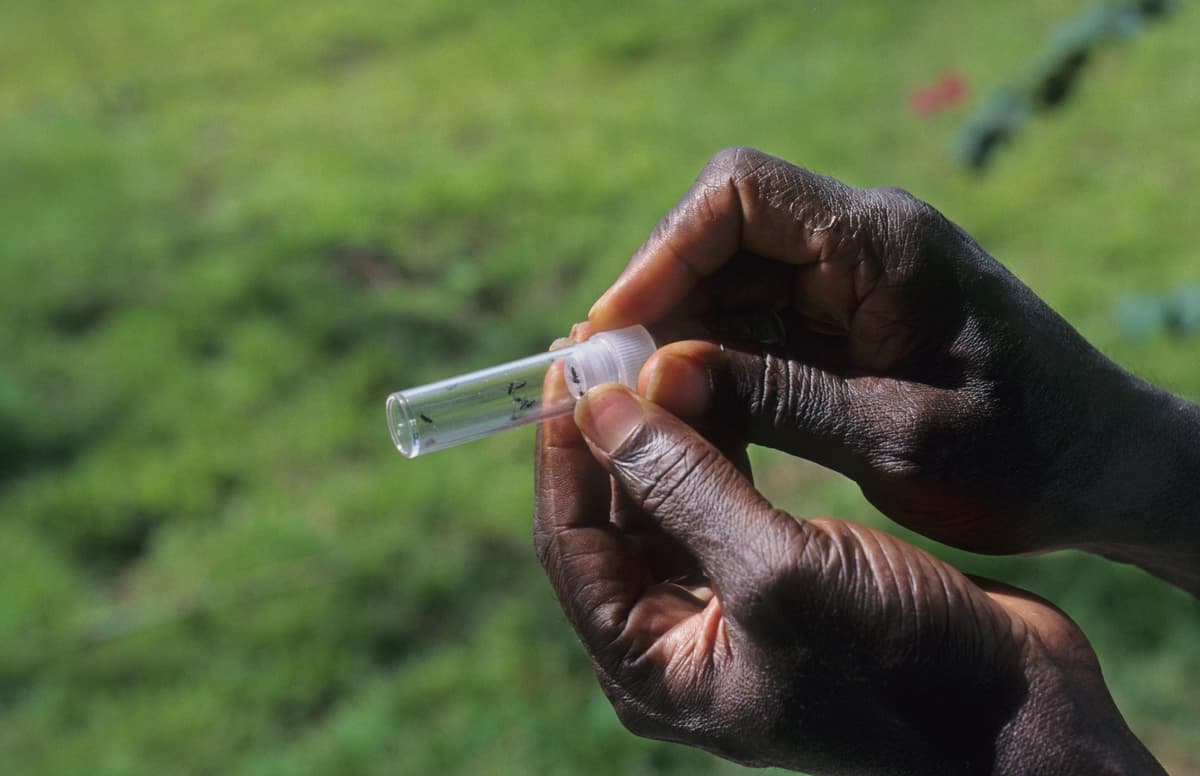
A concrete illustration is Medicines Development for Global Health’s moxidectin, repurposed from veterinary use to treat river blindness. After FDA approval in 2018, MDGH sold its voucher for an estimated US$28 million, enabling the nonprofit to fund clinical trials and bring the drug to Ghana, where it received national approval in 2024. The sale also attracted a major buyer—Novo Nordisk—who used the voucher to fast‑track a semaglutide diabetes tablet, underscoring how large pharma benefits from the same incentive. Yet the system faces criticism: vouchers are not tied to affordability guarantees, and high‑priced drugs like miltefosine have remained out of reach for endemic populations despite lucrative voucher sales.
Looking ahead, policymakers are debating whether to replicate the model abroad. The EU has explored a version that would double rewards for truly novel NTD products, while Japan is studying a modest $30‑$50 million voucher pool. Reform proposals include adding access or novelty criteria to prevent “gaming” and ensure public‑health returns. As wealthy nations trim overseas aid, the PRV remains a pragmatic, though imperfect, tool to channel private investment toward diseases that market forces alone would ignore.
20 Years Of Priority Review Vouchers, A Tool For Spurring Needed Drugs
Comments
Want to join the conversation?
Loading comments...