A New Medicare Option for Weight Loss Drugs: What Older Americans Should Know
Why It Matters
The $50 subsidy could make life‑saving GLP‑1 therapies affordable for a large share of older Americans, while the program’s cost and limited duration raise fiscal and policy questions for Medicare’s future obesity treatment strategy.
Key Takeaways
- •Medicare GLP‑1 Bridge offers $50 monthly copay for eligible weight‑loss drugs
- •Eligibility requires BMI ≥ 27 with obesity‑related condition; BMI ≥ 35 qualifies automatically
- •Copay does not count toward Part D deductible or $2,100 out‑of‑pocket cap
- •Program ends Dec 2027; long‑term coverage costs remain uncertain for Medicare
Pulse Analysis
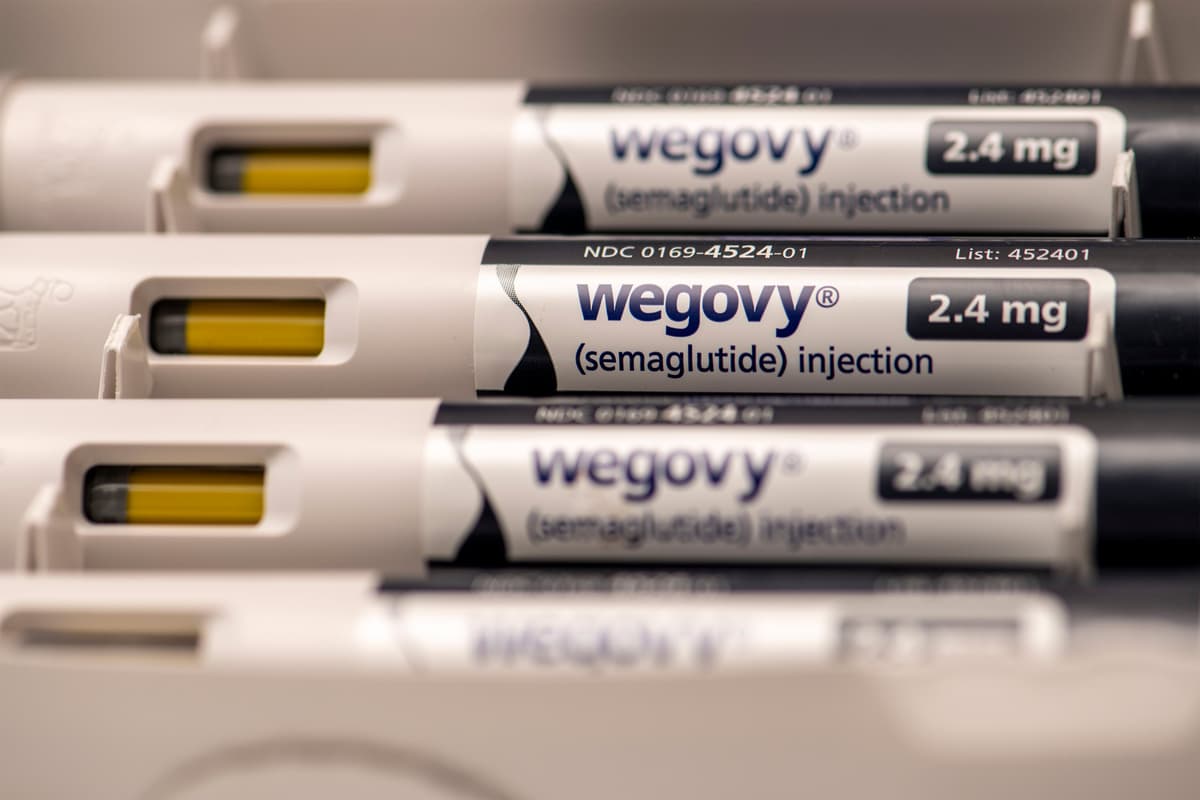
GLP‑1 agonists such as Wegovy and Zepbound have reshaped obesity treatment by delivering clinically significant weight loss, but their retail prices—often $150 to $700 a month—have kept them out of reach for most seniors. Historically, Medicare has excluded obesity drugs from its formulary, citing cost concerns and a focus on disease‑specific indications. The new GLP‑1 Bridge pilot marks a policy shift, offering a predictable $50 copayment that decouples cost from dosage escalation, potentially unlocking access for millions of beneficiaries who meet obesity‑related health criteria.
The bridge program operates through a centralized prior‑authorization system managed by CMS contractor Humana, bypassing traditional Part D plan negotiations. To qualify, seniors must be enrolled in a Part D plan and have a BMI of 27 or higher with a qualifying condition—such as heart disease or pre‑diabetes—or a BMI of 35 or above automatically. While the flat copay eases the immediate financial burden, it does not apply toward the Part D deductible or the $2,100 annual out‑of‑pocket limit, and low‑income subsidy recipients cannot combine the benefit with existing assistance, leaving a gap for the most vulnerable.
Policymakers view the pilot as a data‑gathering exercise ahead of a potential permanent Medicare coverage model. Early estimates suggest the bridge could add billions of dollars to Medicare spending, a figure that has already deterred insurers from committing to a long‑term voluntary program. As the December 2027 deadline approaches, stakeholders—including pharmaceutical manufacturers, insurers, and senior advocacy groups—are watching enrollment trends and cost outcomes closely. The program’s success or failure will likely shape future federal strategies for managing the growing obesity epidemic among older Americans, balancing clinical benefits against fiscal sustainability.
A New Medicare Option for Weight Loss Drugs: What Older Americans Should Know
Comments
Want to join the conversation?
Loading comments...