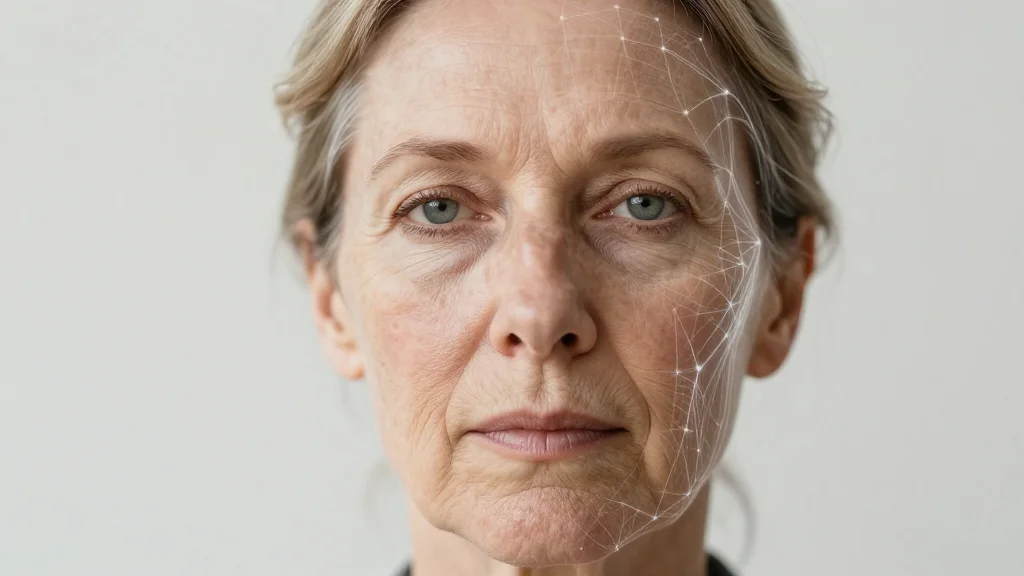
AI‑Driven Facial Aging Rate Predicts Cancer Survival, Study Finds

Companies Mentioned
Why It Matters
FAR provides a novel, image‑based biomarker that could democratize cancer risk assessment, especially in settings where advanced imaging or laboratory testing is limited. By leveraging existing patient‑ID photos, the method sidesteps costly infrastructure and may enable earlier identification of patients whose disease is progressing faster than expected. Moreover, the study highlights the broader potential of AI‑driven phenotyping to capture subtle physiological changes that elude conventional metrics, prompting a re‑examination of how digital data streams can inform clinical decision‑making. Beyond oncology, the concept of tracking biological aging through facial cues could extend to chronic disease management, geriatric care, and wellness monitoring. If regulatory pathways clear, insurers and providers might adopt FAR as part of risk‑adjusted payment models, incentivizing interventions that slow biological aging and improve outcomes.
Key Takeaways
- •Study of 2,276 cancer patients at Brigham and Women’s Hospital (2012‑2023) used AI to calculate Face Aging Rate (FAR).
- •Median FAR indicated facial aging 40% faster than chronological aging.
- •High FAR (>1) linked to 1.65‑fold higher adjusted mortality risk (hazard ratio).
- •Median survival differed dramatically: 15.2 months vs 36.5 months in long‑term interval group.
- •FAR derived from routine ID photos, offering a non‑invasive, low‑cost prognostic tool.
Pulse Analysis
The emergence of FAR underscores a shift toward passive, data‑rich biomarkers that can be harvested from everyday clinical workflows. Historically, cancer prognostication has relied on tumor genetics, imaging, and serum markers—each requiring dedicated resources and patient burden. FAR flips this paradigm by extracting physiological signals from a source already mandated for security, thereby reducing friction and cost. This aligns with a broader industry trend where AI repurposes existing data streams—think ECG‑derived age or voice‑based respiratory monitoring—to generate actionable insights.
From a market perspective, the technology could catalyze a new segment of digital phenotyping platforms targeting hospitals and imaging centers. Companies that already provide facial recognition for patient check‑in could bundle FAR analytics, creating recurring revenue streams tied to outcome‑based contracts. However, adoption will hinge on rigorous external validation and clear regulatory pathways. Skeptics may argue that facial aging could be confounded by factors like weight change, medication side effects, or lighting conditions, demanding robust standardization.
Looking ahead, the integration of FAR into multi‑modal predictive models—combining genomics, radiomics, and wearable data—could sharpen risk stratification to unprecedented levels. If prospective trials confirm its predictive power, FAR may become a staple in precision oncology, guiding treatment intensity and survivorship planning while opening avenues for insurers to reward interventions that demonstrably slow biological aging.
AI‑Driven Facial Aging Rate Predicts Cancer Survival, Study Finds
Comments
Want to join the conversation?
Loading comments...