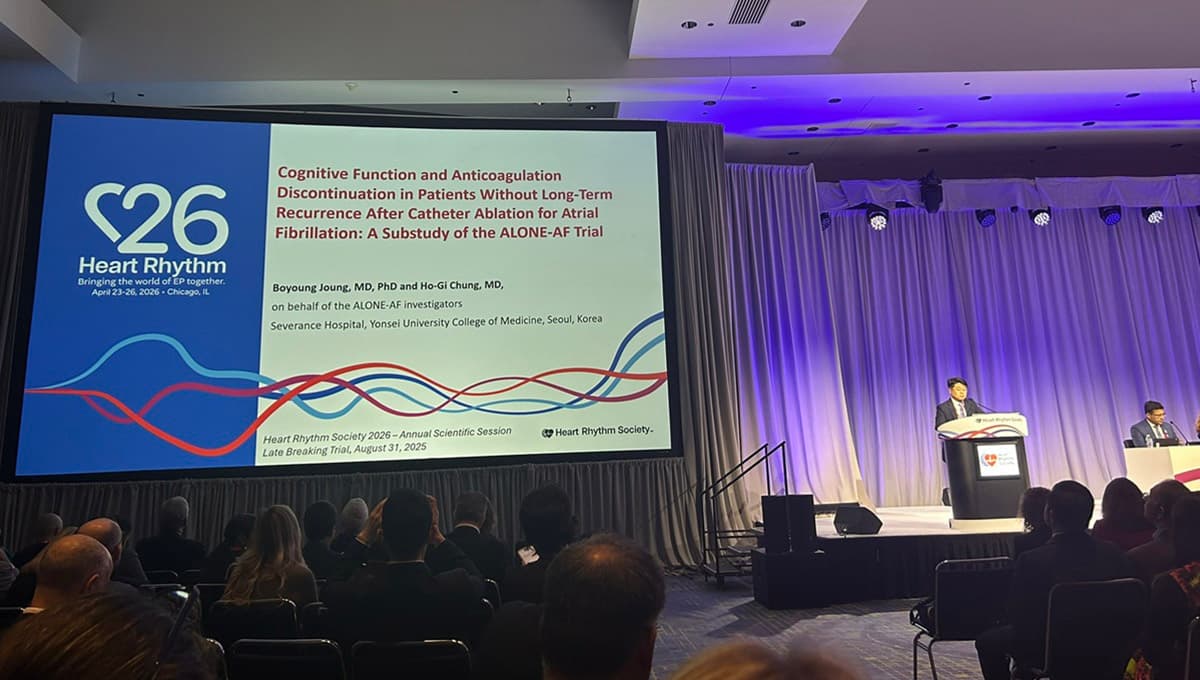
ALONE-AF: Stopping OAC After Ablation Doesn’t Reduce Cognitive Function
Why It Matters
The findings suggest clinicians may safely discontinue OAC after sustained AF‑free periods without harming cognitive health, potentially reducing bleeding risk. This could reshape post‑ablation management guidelines and improve quality of life for patients.
Key Takeaways
- •Discontinuing OAC after successful ablation did not worsen cognition
- •MoCA scores improved similarly in both OAC and no‑OAC groups
- •Cognitive gains were larger in patients with baseline impairment
- •No significant stroke difference; bleeding reduced when OAC stopped
- •Findings limited by study design and MoCA’s sensitivity
Pulse Analysis
Atrial fibrillation (AF) remains a leading driver of stroke and cognitive decline, prompting clinicians to prescribe oral anticoagulation (OAC) for most patients. Catheter ablation, which isolates the arrhythmogenic tissue, has emerged as a curative strategy, yet the optimal post‑procedure anticoagulation regimen is still debated. While OAC reduces embolic events, it also raises bleeding risk, especially in older adults. Understanding whether patients can safely stop OAC after a year of arrhythmia‑free survival is critical for balancing these competing outcomes.
The ALONE‑AF cognitive substudy adds a new dimension to this conversation. Among 646 participants who were free of AF recurrence for at least a year, MoCA scores rose from the mid‑20s to roughly 25 points regardless of continued anticoagulation. Notably, patients who entered the trial with mild cognitive impairment experienced the largest gains, reinforcing the notion that early ablation may reverse brain injury linked to AF. The trial also confirmed earlier findings that stopping OAC cuts major bleeding without increasing stroke, suggesting a dual benefit for patients who achieve durable rhythm control.
Despite the encouraging data, clinicians should interpret the results cautiously. The study was not originally powered to detect subtle neurocognitive shifts, and MoCA, while practical, may miss finer deficits captured by comprehensive neuropsychological batteries. Moreover, the cohort was predominantly East Asian, limiting generalizability to broader U.S. populations. Future research should incorporate longer follow‑up, diverse demographics, and more sensitive cognitive testing to solidify guidelines on OAC discontinuation after ablation. Until then, shared decision‑making that weighs bleeding risk, stroke prevention, and individual cognitive status remains essential.
ALONE-AF: Stopping OAC After Ablation Doesn’t Reduce Cognitive Function
Comments
Want to join the conversation?
Loading comments...