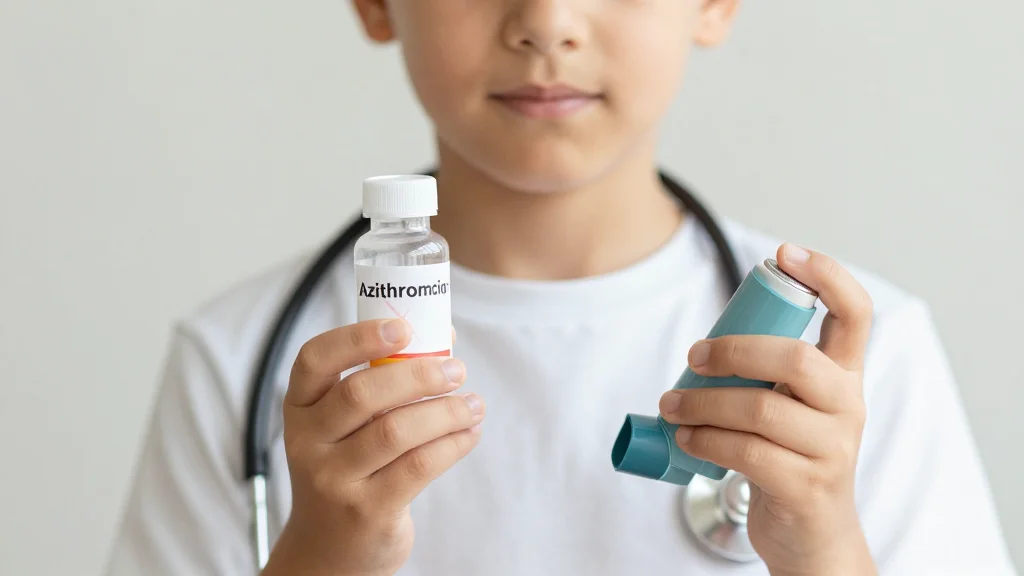
Antibiotics Ineffective for Wheezing Episodes in Young Children in Emergency Care, Study Finds
Why It Matters
Unnecessary antibiotic use fuels resistance and exposes children to avoidable side effects, while the trial’s clear evidence supports guideline‑aligned, virus‑focused care for pediatric wheezing.
Key Takeaways
- •AZ‑SWED trial enrolled 840 preschoolers across eight U.S. EDs.
- •Azithromycin showed no benefit over placebo for severe wheezing.
- •86% of participants had viral infections, 72.5% rhinovirus.
- •Antibiotic prescriptions for wheezing remain ~25% despite evidence.
Pulse Analysis
The management of acute wheezing in preschoolers has long been a gray zone for emergency physicians. Although viral infections account for the majority of episodes, clinicians often prescribe antibiotics such as azithromycin out of concern for bacterial co‑infection or to appease anxious parents. This practice persists despite mounting data that antibiotics offer little benefit and contribute to the global rise in antimicrobial resistance. The gap between evidence and bedside decision‑making underscores the need for robust, practice‑changing research that can settle the controversy once and for all.
The AZ‑SWED trial, funded by the National Heart, Lung, and Blood Institute, enrolled 840 children aged 18‑59 months across eight U.S. pediatric emergency departments. Participants received either a five‑day azithromycin regimen or a matching placebo, with daily symptom tracking via the Asthma Flare‑up Diary for Young Children. Interim analysis revealed no statistically significant improvement in ADYC scores for the antibiotic group, even among the 62% who harbored Streptococcus pneumoniae, Moraxella catarrhalis, or Haemophilus influenzae. Moreover, 86% of the cohort tested positive for respiratory viruses, 72.5% of which were rhinoviruses, reinforcing the viral nature of most severe wheeze attacks.
These findings carry immediate implications for antibiotic stewardship in pediatric emergency care. By demonstrating that azithromycin provides no therapeutic advantage, the study equips clinicians with concrete evidence to resist prescribing antibiotics for viral‑driven wheezing, thereby curbing unnecessary exposure and slowing resistance development. The results also prompt a shift toward rapid viral diagnostics and supportive therapies such as bronchodilators and hydration. As guidelines incorporate this data, hospitals can implement education programs for providers and families, aligning expectations with science and preserving antibiotic efficacy for future generations.
Antibiotics Ineffective for Wheezing Episodes in Young Children in Emergency Care, Study Finds
Comments
Want to join the conversation?
Loading comments...