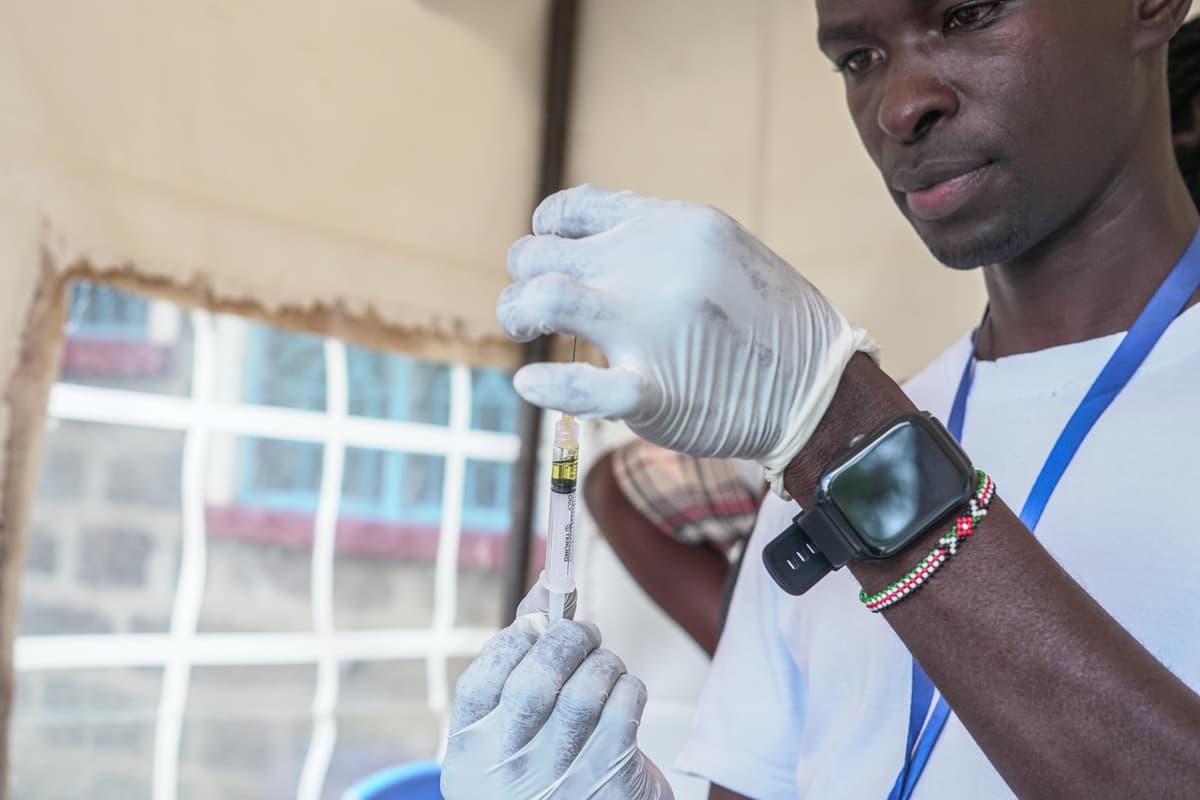
Breakthrough HIV Drug Is Out Of Reach For Many Who Need It Most
Companies Mentioned
Why It Matters
The pricing and supply constraints threaten to undermine global HIV prevention goals, especially in regions hardest hit by the epidemic. Limited access could translate into significant public‑health setbacks and higher long‑term treatment costs.
Key Takeaways
- •Lenacapavir shows near‑100% efficacy as long‑acting HIV PrEP
- •Gilead can produce 10 million doses, offers 3 million through Global Fund
- •Drug price $28,218/year versus $25 production cost shows massive markup
- •Generic lenacapavir expected 2027 at $40/year, still far above cost
- •Access gaps could cause millions of preventable HIV infections in low‑income regions
Pulse Analysis
Lenacapavir’s breakthrough efficacy has reignited optimism for HIV prevention, especially in settings where daily oral PrEP adherence is low. By delivering protection with just two injections per year, the drug could simplify logistics for clinics and reduce the burden on patients. However, the promise of a medical revolution is tempered by Gilead’s pricing strategy, which places the annual cost at $28,218—over a thousand times the estimated $25 production cost—raising questions about affordability and corporate responsibility in the era of publicly funded research.
The supply side presents another hurdle. While Gilead announced capacity for 10 million doses by 2026, its commitment to the Global Fund and PEPFAR totals only 3 million doses, covering a fraction of the 20 million individuals projected to need the therapy. This shortfall is compounded by the delayed rollout of generic versions, slated for 2027 at $40 per year, still far above the marginal cost but markedly cheaper than the brand price. The gap between production capability and actual distribution underscores a strategic choice to prioritize market control over rapid, equitable access.
From a public‑health perspective, the consequences are stark. Modeling suggests that expanding coverage to just 4% of high‑burden populations could avert up to 20% of new infections, yet current allocations leave millions vulnerable. The situation highlights a broader tension between pharmaceutical innovation, profit motives, and global health equity, prompting calls for policy interventions—such as compulsory licensing or increased donor financing—to bridge the access divide and fully leverage lenacapavir’s life‑saving potential.
Breakthrough HIV Drug Is Out Of Reach For Many Who Need It Most
Comments
Want to join the conversation?
Loading comments...