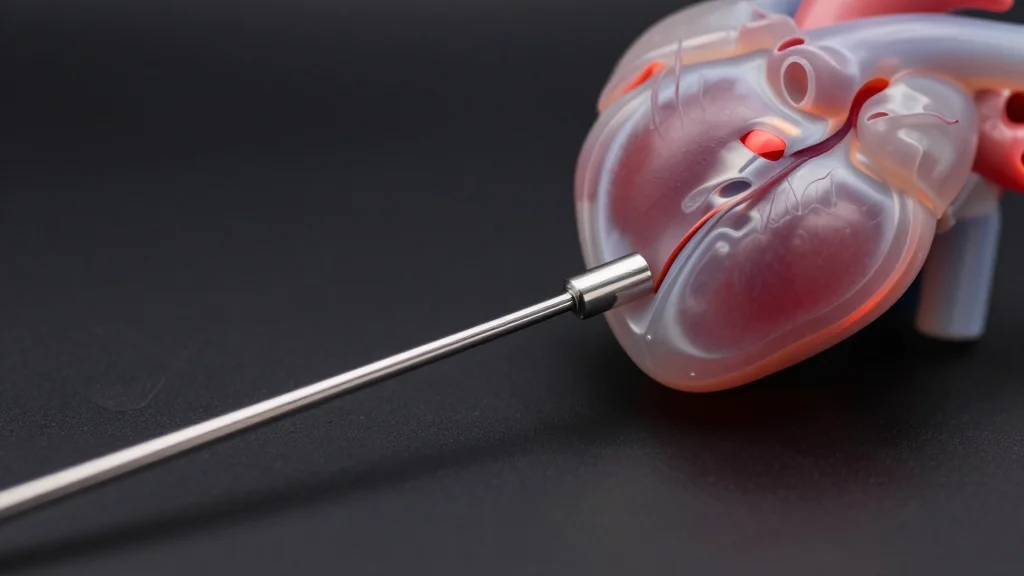
Cleveland Clinic Trial Shows Pulsed Field Ablation Cuts Recurrence in Persistent Atrial Fibrillation

Companies Mentioned

Why It Matters
Persistent atrial fibrillation drives a disproportionate share of cardiovascular morbidity, health‑care utilization, and costs in the United States. Demonstrating that a minimally invasive, catheter‑based procedure can reduce arrhythmia recurrence more effectively than drugs offers a pathway to lower hospital admissions, reduce stroke risk, and improve quality of life for millions. Moreover, the trial validates continuous rhythm monitoring as a rigorous endpoint, potentially reshaping how future cardiac trials are designed. Adoption of PFA could also shift the economics of AF care. Antiarrhythmic drugs generate recurring revenue for pharmaceutical firms but require ongoing monitoring for toxicity. In contrast, a one‑time procedural solution may front‑load costs while delivering long‑term savings for payers, especially if repeat procedures remain low. The data therefore have implications for insurers, hospital budgeting, and the broader medical‑device ecosystem.
Key Takeaways
- •388 patients with untreated persistent AF enrolled; 207 received PFA, 103 received antiarrhythmic drugs.
- •PFA group showed significantly lower one‑year arrhythmia recurrence, per continuous implantable monitoring.
- •Persistent AF affects up to 50% of the 2.7 million Americans with atrial fibrillation.
- •Trial builds on 2020 STOP AF FIRST study that proved ablation superior for paroxysmal AF.
- •Results presented at the Heart Rhythm Society meeting and published in NEJM, prompting potential guideline revisions.
Pulse Analysis
The AVANT‑GUARD trial arrives at a moment when the electrophysiology community is actively seeking alternatives to thermal ablation, which carries risks of collateral damage and variable lesion depth. Pulsed field ablation’s electroporation mechanism offers rapid, tissue‑selective energy delivery, reducing procedure time and potentially improving safety. Early adoption by high‑volume centers like Cleveland Clinic provides a credible proof‑point that could accelerate diffusion across the United States and Europe.
From a market perspective, the data could catalyze a competitive shake‑up. Current PFA catheter manufacturers have been limited by modest procedural volumes; a clear efficacy advantage in a large, guideline‑relevant population may unlock broader reimbursement pathways and spur investment in next‑generation devices. Conversely, pharmaceutical firms that dominate the antiarrhythmic space may need to pivot toward combination therapies or focus on niche indications where drugs remain preferable.
Looking ahead, the durability of PFA beyond the first year will be the decisive factor for clinicians and payers. If long‑term follow‑up confirms sustained rhythm control with low complication rates, we could witness a rapid re‑classification of first‑line therapy for persistent AF, echoing the shift seen after the STOP AF FIRST trial. Until then, cardiologists will weigh the immediate procedural benefits against the established safety profile of drug therapy, while health systems prepare for potential workflow changes associated with increased catheter‑lab utilization.
Cleveland Clinic Trial Shows Pulsed Field Ablation Cuts Recurrence in Persistent Atrial Fibrillation
Comments
Want to join the conversation?
Loading comments...