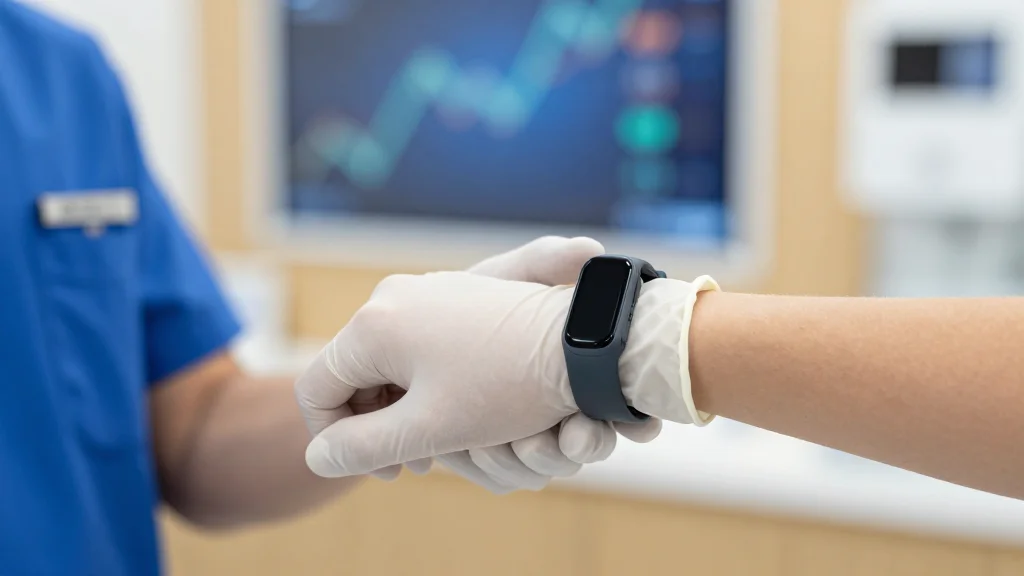
Clinical Ambitions and Retail Realities: Analysis of Best Buy's Acquisition and Divestiture of Current Health
Companies Mentioned

Why It Matters
The failure highlights the difficulty retail giants face when scaling regulated, reimbursement‑dependent health services, signaling caution for future cross‑industry health ventures.
Key Takeaways
- •$400 million acquisition turned into $667 million write‑down
- •Geek Squad’s logistics couldn’t offset clinical staffing costs
- •CMS waiver uncertainty crippled hospital‑at‑home scaling
- •HIPAA compliance added significant operational overhead
- •Best Buy pivots back to senior consumer health tech
Pulse Analysis
Best Buy’s foray into clinical care was born from pandemic‑driven demand for at‑home monitoring, but the company underestimated the structural differences between retail logistics and regulated health delivery. By leveraging its Geek Squad workforce, Best Buy hoped to solve the "last‑mile" challenge of device installation and patient onboarding. Early pilots with systems like Geisinger and Baptist Health showed promising clinical outcomes—reduced readmissions and faster device activation—yet these successes were isolated and could not offset the high fixed costs of 24/7 nursing command centers, sterile device logistics, and extensive HIPAA compliance requirements. The retailer’s core advantage—high‑volume, low‑margin operations—clashed with the labor‑intensive, low‑margin reality of acute home‑care, leading to a $475 million goodwill impairment in Q4 2024 and a cascade of restructuring charges.
A second, decisive factor was the volatility of federal reimbursement. The CMS Acute Hospital Care At Home waiver, which temporarily granted Medicare parity for home‑based acute care, was never codified into permanent legislation. Without a stable payment stream, health system partners hesitated to invest in the costly infrastructure Best Buy provided, prompting a rapid decline in pipeline contracts. Coupled with broader payer pressures—proposed provider‑tax freezes and Medicaid cuts—hospitals trimmed budgets for ancillary services, directly eroding Best Buy Health’s revenue forecasts and triggering further asset write‑downs.
Best Buy’s retreat mirrors similar setbacks at Amazon, Walmart, and Walgreens, underscoring a market truth: retail brands cannot simply translate consumer‑centric models into the clinical arena without deep healthcare equity and predictable reimbursement frameworks. The company’s pivot back to senior‑focused consumer technology—cellular phones, emergency wearables, and alert systems—leverages its existing retail footprint while sidestepping the regulatory and financial complexities of enterprise clinical care. For other retailers eyeing health, the lesson is clear: invest in technology only after securing durable policy support and partnership models that respect the clinical trust and compliance demands inherent to American healthcare.
Clinical Ambitions and Retail Realities: Analysis of Best Buy's Acquisition and Divestiture of Current Health
Comments
Want to join the conversation?
Loading comments...