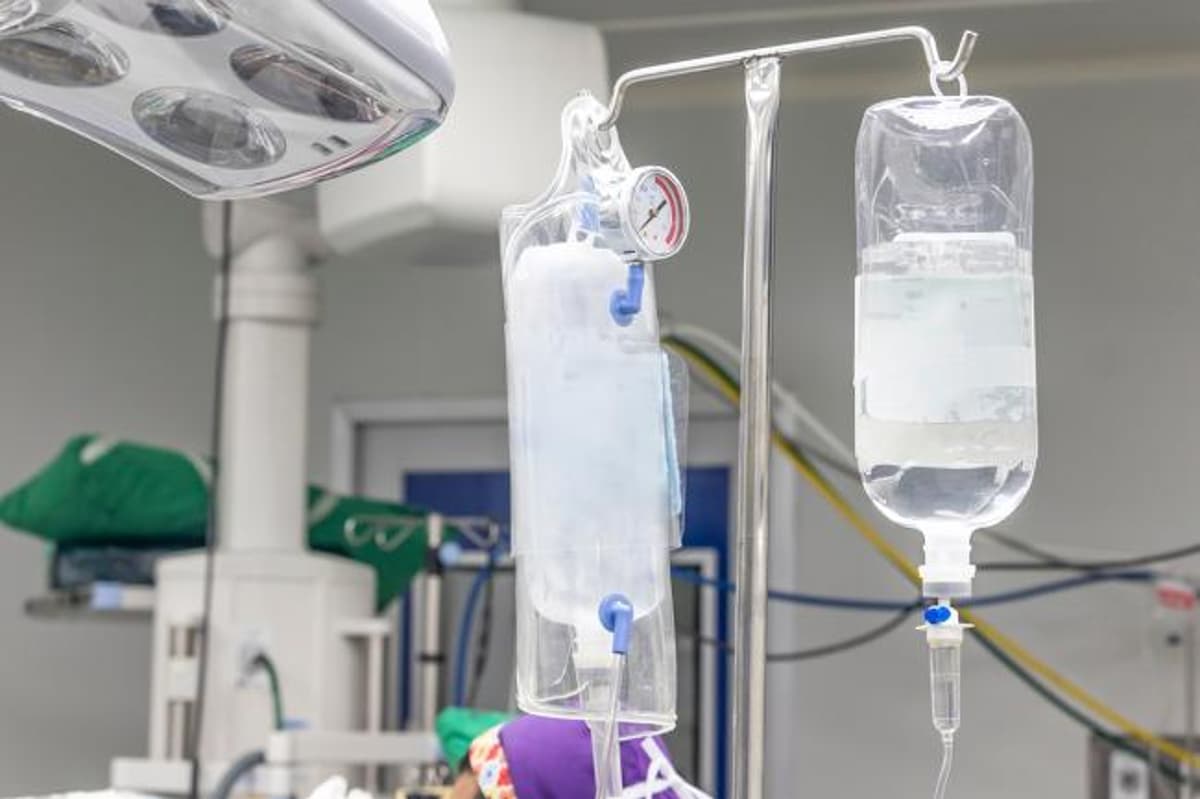
Clinical Trial Finds No Difference in Fluid Treatment Options for Pediatric Sepsis
Why It Matters
The findings settle a long‑standing debate, giving clinicians confidence to select either fluid without compromising patient outcomes, and streamlining sepsis protocols in pediatric emergency care.
Key Takeaways
- •Trial enrolled >9,000 children across five countries.
- •No outcome difference between balanced crystalloids and 0.9% saline.
- •Both fluids safe; biochemical differences did not affect mortality or kidney injury.
- •Results apply to high‑resource emergency settings, not low‑resource or hospital‑acquired sepsis.
- •Physicians can choose either fluid as standard care for pediatric septic shock.
Pulse Analysis
Pediatric septic shock remains a leading cause of intensive care admissions, and the choice of intravenous fluid for resuscitation has been a contentious topic for decades. The recent NIH‑funded trial, the largest of its kind, enrolled over 9,000 patients from the United States, Canada, Australia, New Zealand, and Costa Rica. By randomizing children aged two months to 17 years to receive either a balanced crystalloid solution or the traditional 0.9% saline, the study provided a robust data set to evaluate mortality, renal outcomes, and the need for dialysis. This scale of enrollment offers unprecedented statistical power, allowing clinicians to detect even modest differences in clinical endpoints.
The results were strikingly neutral: neither fluid demonstrated superiority in preventing death, persistent kidney dysfunction, or the initiation of renal‑replacement therapy. While saline recipients exhibited higher serum chloride and sodium levels, and balanced‑fluid patients showed modestly elevated lactate, these laboratory shifts did not affect the primary clinical outcomes. Safety profiles were comparable, reinforcing that both solutions are viable options for rapid volume expansion in emergent pediatric care. This evidence equips emergency physicians with the flexibility to base fluid selection on availability, cost, or institutional protocols rather than perceived efficacy.
Nevertheless, the study’s applicability has boundaries. Participants were drawn from high‑resource emergency departments treating community‑acquired sepsis, leaving a knowledge gap for low‑resource settings and hospital‑acquired infections. Moreover, the trial initiated treatment based on clinical suspicion rather than confirmed laboratory markers, meaning the sickest subgroups or those requiring massive fluid volumes may still benefit from tailored fluid strategies. Future research should explore outcomes in resource‑limited environments and assess whether specific patient phenotypes respond differently. Until then, the findings are poised to influence pediatric sepsis guidelines, simplifying fluid‑choice algorithms and potentially reducing unnecessary inventory constraints across hospitals.
Clinical trial finds no difference in fluid treatment options for pediatric sepsis
Comments
Want to join the conversation?
Loading comments...