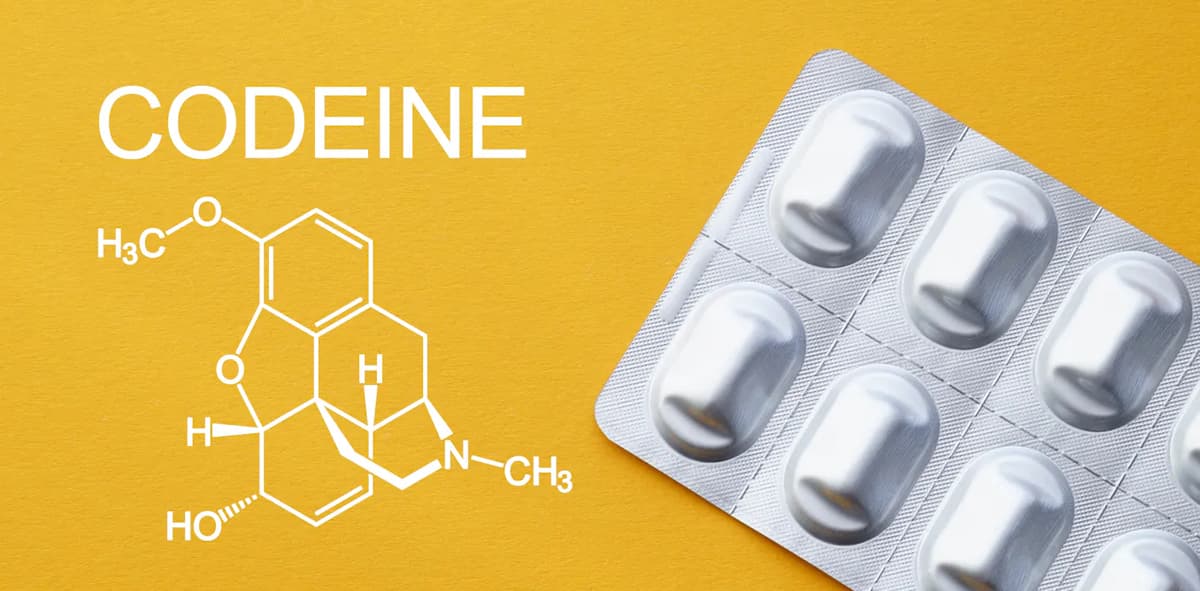
Codeine: Why One Person’s Painkiller Can Be Another Person’s Problem
Why It Matters
Understanding codeine’s metabolic variability and limited efficacy is crucial for clinicians and policymakers aiming to balance pain management with opioid misuse prevention. The UK’s stricter controls reflect growing concerns about dependence and adverse outcomes.
Key Takeaways
- •Ultra‑rapid CYP2D6 metabolisers (1‑2%) risk high morphine levels, especially in North African/Middle Eastern groups
- •Poor metabolisers (5‑10%) often get little pain relief from codeine, common in white Europeans
- •Low‑dose OTC codeine (<10 mg) shows modest benefit, similar to ibuprofen‑paracetamol combos
- •UK limits OTC codeine packs to 32 tablets and three‑day use to curb misuse
- •Tolerance can develop within days, making dependence a concern even with short‑term use
Pulse Analysis
Codeine’s paradox lies in its dual identity as a familiar household remedy and a genetically unpredictable opioid. The liver enzyme CYP2D6 determines whether a dose converts efficiently into morphine, creating three metabolic phenotypes: ultra‑rapid, intermediate and poor. In the UK, ultra‑rapid metabolisers—more prevalent among North African and Middle Eastern populations—can experience excessive opioid effects from standard doses, while a sizable share of white Europeans metabolise the drug too slowly to achieve meaningful analgesia. This pharmacogenetic landscape challenges the one‑size‑fits‑all approach of over‑the‑counter pain relief.
Clinical evidence further questions codeine’s utility at low doses. Systematic reviews reveal that formulations containing less than 10 mg of codeine provide only modest relief for acute pain, often matching the efficacy of simple ibuprofen‑paracetamol combinations without opioid‑related risks. Higher‑dose codeine (25‑60 mg) paired with ibuprofen shows more consistent benefit, yet the margin narrows when non‑opioid alternatives are considered. The modest therapeutic gain, coupled with side effects such as constipation, nausea and respiratory depression, fuels regulatory scrutiny.
Regulators have responded by tightening access: the UK’s MHRA caps OTC packs at 32 tablets, restricts use to three days, and reclassifies codeine linctus as prescription‑only. These measures aim to curb dependence, tolerance, and diversion into recreational mixes like “purple drank.” For healthcare providers, the key takeaway is to assess metabolic risk, consider non‑opioid analgesics first, and limit codeine duration to mitigate tolerance and withdrawal. As opioid stewardship intensifies, codeine serves as a cautionary example of how even familiar drugs demand nuanced, evidence‑based prescribing.
Codeine: why one person’s painkiller can be another person’s problem
Comments
Want to join the conversation?
Loading comments...