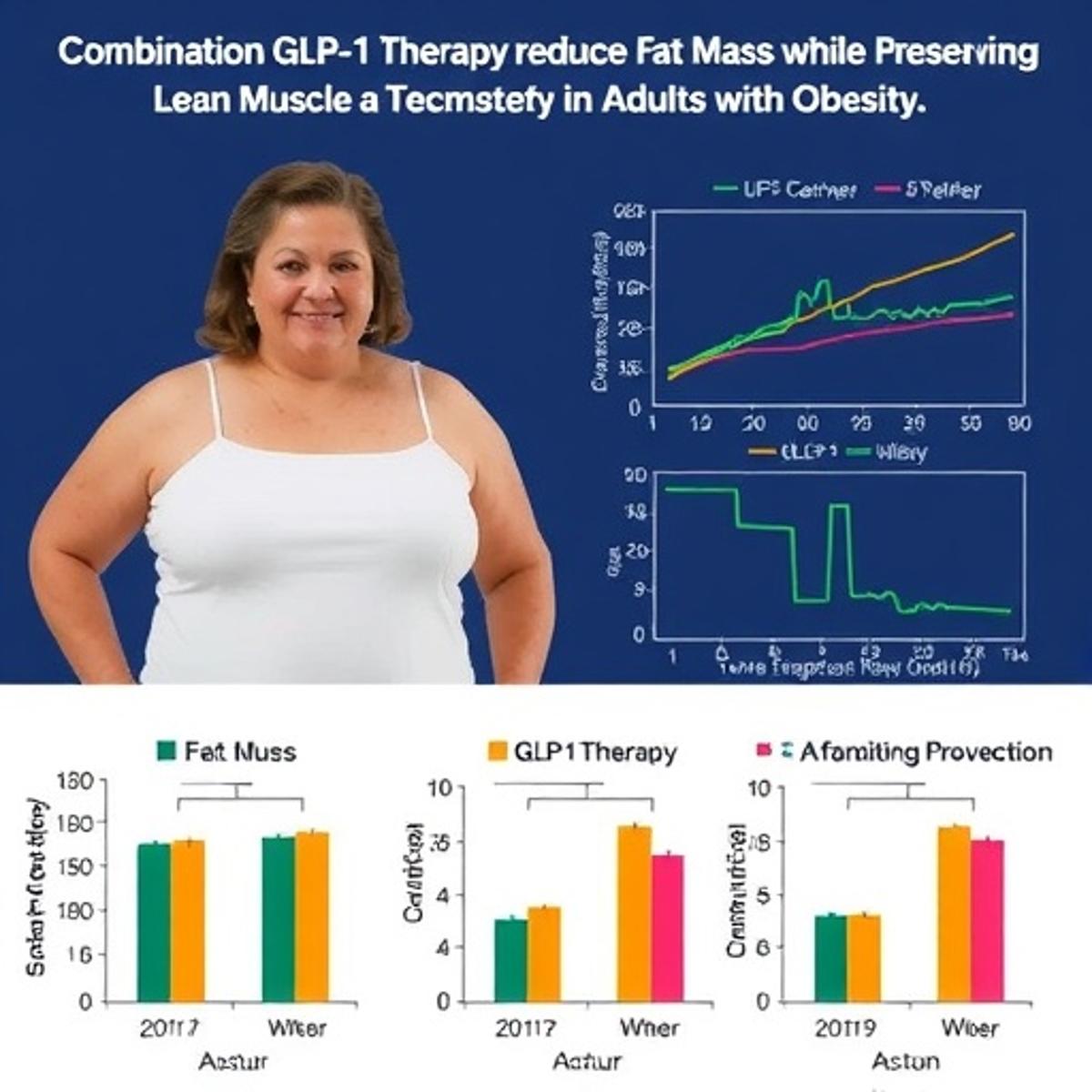
Combination GLP-1 Therapy Reduces Fat Mass While Preserving Lean Muscle in Adults with Obesity
•March 6, 2026
0
Why It Matters
Preserving lean muscle while reducing fat addresses a key limitation of current obesity drugs, potentially improving metabolic health and functional outcomes. This could reshape clinical guidelines and expand market opportunities for combination GLP‑1 products.
Key Takeaways
- •Combination GLP‑1 reduced fat mass by ~5% in 24 weeks.
- •Lean muscle loss remained under 1%, preserving strength.
- •Study enrolled 300 obese adults, double‑blind, placebo‑controlled.
- •Adverse events mild, mainly gastrointestinal, comparable to monotherapy.
- •Results suggest synergistic effect beyond single GLP‑1 agents.
Pulse Analysis
Obesity remains a leading driver of chronic disease, and the pharmaceutical industry has turned to glucagon‑like peptide‑1 (GLP‑1) receptor agonists as a cornerstone of pharmacologic weight loss. While agents such as semaglutide and tirzepatide have demonstrated impressive fat reduction, clinicians often grapple with unintended lean‑mass loss, which can undermine metabolic benefits and physical function. The emerging strategy of combining GLP‑1 compounds aims to amplify adipose tissue targeting while mitigating muscle catabolism, a concept that aligns with broader trends toward precision obesity therapeutics.
The recent trial evaluated a fixed‑dose regimen of two GLP‑1 agonists in a 24‑week, double‑blind, placebo‑controlled design involving 300 adults with a body‑mass index above 30. Participants on the combination therapy experienced a mean 5 % reduction in total fat mass, whereas lean mass loss stayed below 1 %, a statistically significant improvement over monotherapy arms. Safety data showed primarily mild gastrointestinal events—nausea and transient diarrhea—mirroring the side‑effect profile of existing GLP‑1 drugs. Mechanistically, the dual activation appears to enhance satiety signaling while modulating muscle protein synthesis pathways, preserving anabolic balance during caloric deficit.
If these results translate into longer‑term outcomes, the combination approach could redefine obesity treatment protocols and open new revenue streams for biotech firms developing multi‑agonist pipelines. Payers may favor therapies that deliver weight loss without compromising functional capacity, especially in aging populations where muscle preservation is critical. Future research will likely explore optimal dosing ratios, real‑world effectiveness, and integration with lifestyle interventions, positioning combination GLP‑1 therapy as a potential new standard of care in the fight against obesity.
Combination GLP-1 Therapy Reduces Fat Mass While Preserving Lean Muscle in Adults with Obesity
0
Comments
Want to join the conversation?
Loading comments...