Comparing Senescence in Articular Chondrocytes: Phenotype & Molecules
•February 24, 2026
0
Why It Matters
Differentiating senescence pathways equips biotech firms to design targeted OA therapeutics, expanding the market for senolytics and senostatic agents. The data also provide biomarkers for early diagnosis, accelerating drug pipelines and investment in cartilage‑health solutions.
Key Takeaways
- •Replicative senescence shows anti‑inflammatory SASP profile.
- •Chemical stress triggers pro‑inflammatory secretome in chondrocytes.
- •Mitochondrial fragmentation marks chemically‑induced senescence.
- •Senolytics more effective on chemically‑induced senescent cells.
- •Distinct epigenetic signatures enable targeted OA therapies.
Pulse Analysis
The global osteoarthritis market, projected to exceed $30 billion by 2030, hinges on breakthroughs that address the cellular roots of cartilage degeneration. As populations age, understanding how articular chondrocytes age—whether through natural telomere attrition or external stressors—has become a strategic priority for pharma and biotech investors. Cellular senescence, once viewed as a uniform process, now reveals distinct phenotypes that shape joint inflammation, matrix breakdown, and therapeutic response, making nuanced research essential for next‑generation disease‑modifying drugs.
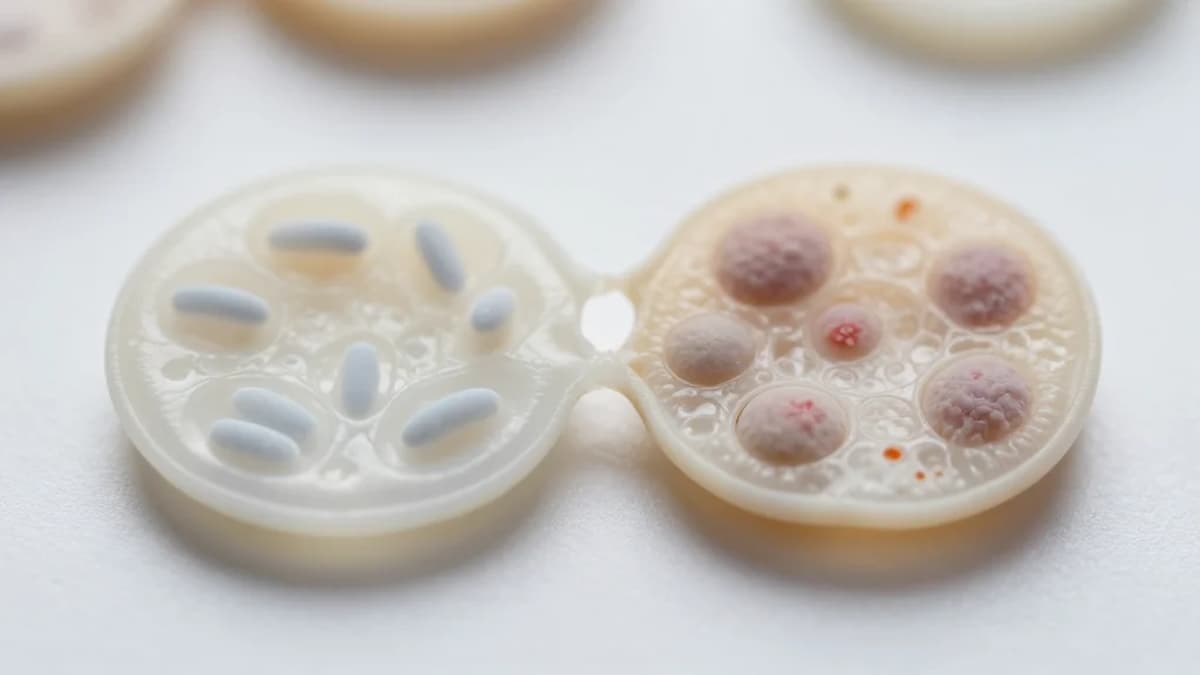
In the new comparative study, scientists applied high‑throughput profiling to map phenotypic and molecular differences between replicative and chemically‑induced senescence. Replicative cells exhibited a restrained SASP dominated by anti‑inflammatory mediators and retained mitochondrial networks, whereas chemically‑induced cells unleashed a potent pro‑inflammatory secretome, displayed fragmented mitochondria, and underwent rapid epigenetic reprogramming. Crucially, the latter group showed heightened sensitivity to senolytic compounds, highlighting a therapeutic window where drug‑induced cell clearance could curb inflammation and slow cartilage loss.
These insights translate into tangible market opportunities. Companies can leverage the identified biomarkers—such as p16^INK4a expression patterns, specific SASP cytokines, and mitochondrial fragmentation signatures—to develop diagnostic kits that stratify patients by senescence type. Simultaneously, drug pipelines can prioritize senolytics for inflammation‑driven OA while pursuing senostatic agents for age‑related wear. The dual‑pathway framework also invites combinatorial regimens, pairing senolytics with disease‑modifying osteoarthritis drugs (DMOADs) to achieve synergistic outcomes. As investors seek differentiated pipelines, this molecular atlas offers a roadmap for precision therapeutics that could capture a sizable share of the growing musculoskeletal‑health market.
Comparing Senescence in Articular Chondrocytes: Phenotype & Molecules
0
Comments
Want to join the conversation?
Loading comments...