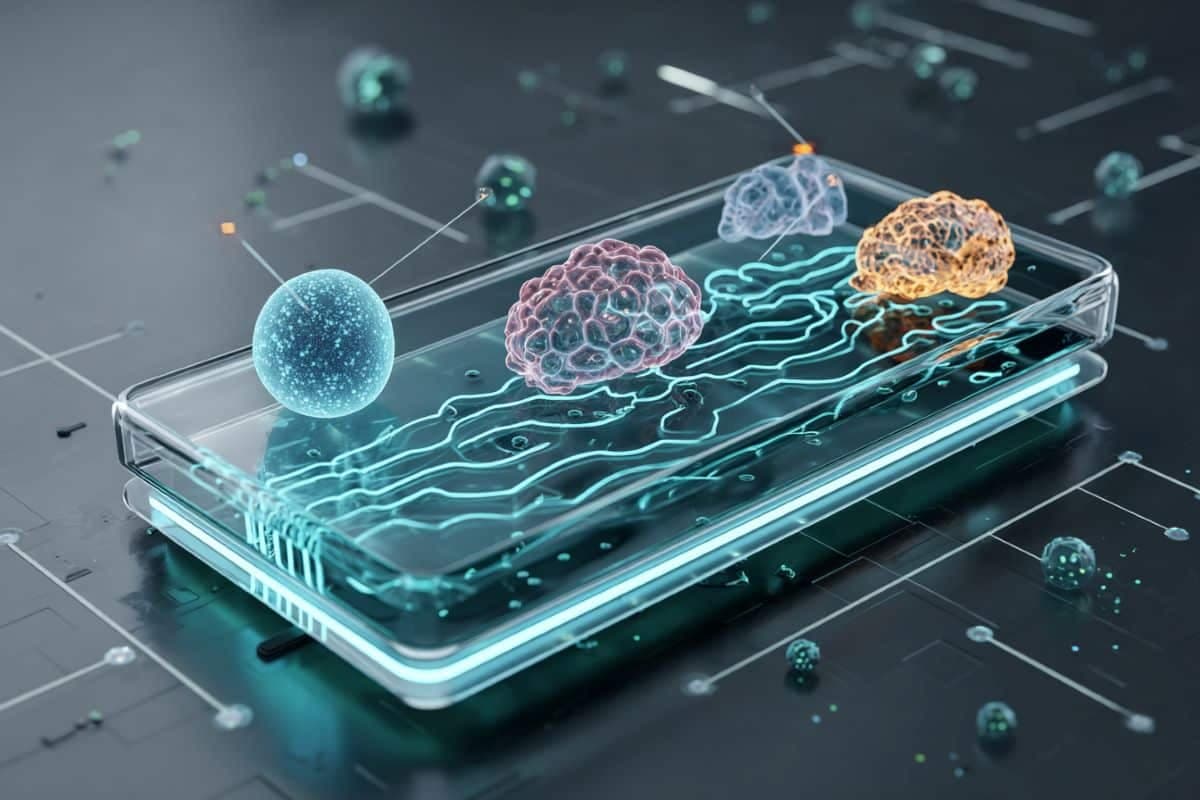
Connected Biochip Tracks How Diabetes Triggers Dementia
Why It Matters
Understanding the cellular pathways that connect diabetes to dementia could unlock targeted therapies for millions, while reducing reliance on animal models and speeding drug development.
Key Takeaways
- •£500k (~$635k) EPSRC grant fuels three‑year GlucoBrain biochip project.
- •First human multi‑organ chip connects gut, pancreas, and brain in real time.
- •Enables direct observation of diabetes‑induced hormonal signaling affecting cognition.
- •Aims to speed drug discovery and personalize treatments for diabetes‑related dementia.
- •Collaboration spans University of Bath, Oxford, and Johns Hopkins.
Pulse Analysis
Diabetes and Alzheimer’s disease are converging public‑health crises, especially as populations age. While epidemiological studies link high blood‑sugar levels to memory loss, the precise biochemical pathways remain opaque because traditional animal models and two‑dimensional cell cultures cannot faithfully reproduce human organ cross‑talk. This knowledge gap hampers the development of therapies that address the root causes of diabetes‑related cognitive decline, leaving clinicians to manage symptoms rather than prevent them.
Organ‑on‑chip technology bridges that gap by culturing living human cells in three‑dimensional microenvironments that mimic organ physiology. GlucoBrain takes the concept further, wiring gut, pancreas, and brain modules on a single microfluidic chip and coupling them with AI‑driven data analysis. Researchers can now trigger glucose spikes, monitor hormone release, and watch downstream effects on neuronal networks in real time. The collaboration between Bath’s engineering experts, Oxford’s metabolic clinicians, and Johns Hopkins’ Alzheimer’s specialists ensures the model is both biologically accurate and clinically relevant.
The implications extend beyond basic science. A human‑based, high‑throughput platform accelerates pre‑clinical screening, slashing the time and cost of bringing new drugs to market. Moreover, the eventual ability to seed chips with a patient’s own stem cells promises truly personalized medicine—identifying the most effective drug cocktail before a single dose is administered. As the biochip ecosystem matures, it could reshape pharmaceutical pipelines, reduce animal testing, and deliver faster, safer treatments for the millions at risk of diabetes‑induced dementia.
Connected Biochip Tracks How Diabetes Triggers Dementia
Comments
Want to join the conversation?
Loading comments...