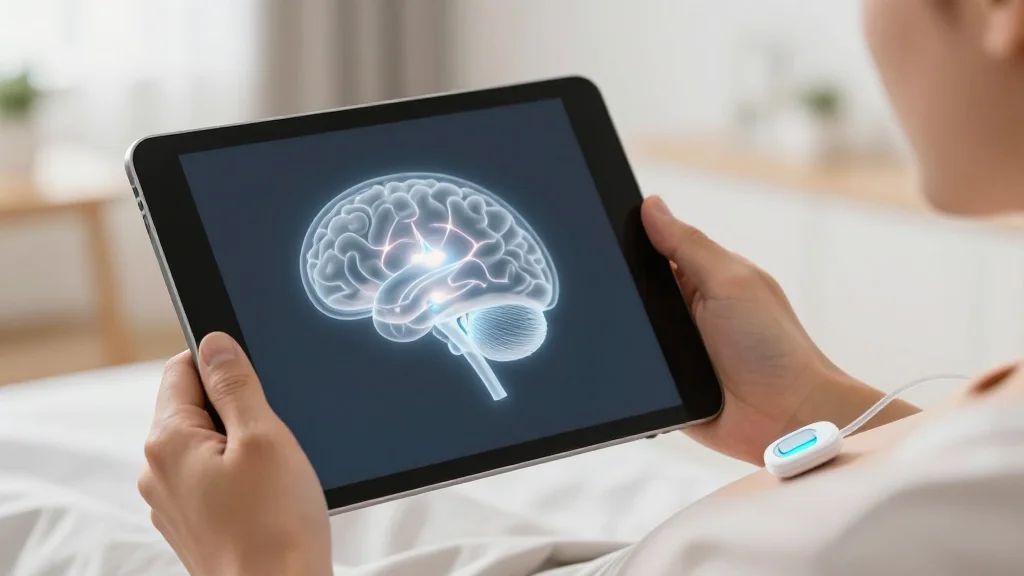
Contributor: How Remote Care Is Changing Parkinson Treatment
Companies Mentioned
Why It Matters
The faster, remote DBS programming expands access to specialist care, improves patient outcomes, and lowers logistical costs, signaling a shift toward tele‑neuromodulation in chronic disease management.
Key Takeaways
- •NeuroSphere cut DBS adjustment time from 15 hrs to 48 mins.
- •Remote patients saw symptom improvement in 15.1 days vs clinic visits.
- •Travel distance dropped over 60 miles one‑way, eliminating patient burden.
- •Clinicians find remote DBS programming as effective and more efficient.
- •Tens of thousands of remote sessions delivered in 19+ countries since 2021.
Pulse Analysis
Parkinson’s disease remains a progressive neuro‑degenerative disorder that often requires frequent clinic visits for medication adjustments and, increasingly, for neuromodulation therapies such as deep brain stimulation (DBS). While DBS can dramatically reduce tremor, rigidity and motor fluctuations, the scarcity of trained programmers forces many patients to travel long distances, sometimes over an hour each way, to reach a specialist. This travel burden not only strains patients and caregivers but also delays the fine‑tuning of stimulation parameters that are critical for optimal symptom control.
The introduction of Abbott’s NeuroSphere Virtual Clinic in 2021 marked the first FDA‑cleared platform that lets clinicians reprogram DBS devices over a secure internet connection. In the randomized ROAM‑DBS study, remote participants achieved clinically meaningful symptom relief in an average of 15.1 days, versus several weeks for those seen in‑clinic, and reported quality‑of‑life improvements a full month earlier. Moreover, the virtual workflow collapsed a 15‑hour, 60‑mile travel itinerary into a 48‑minute remote session, delivering comparable efficacy while freeing up clinic capacity.
These findings underscore a broader trend: digital health tools are reshaping chronic‑care delivery by moving expertise out of the hospital and into patients’ homes. For insurers and health systems, remote DBS programming promises lower transportation costs, reduced missed work days, and higher patient satisfaction, all of which can translate into better value‑based care metrics. As more manufacturers adopt tele‑programming standards and reimbursement pathways mature, the tele‑neuromodulation model could extend to other movement disorders, cementing remote care as a permanent pillar of neurological treatment.
Contributor: How Remote Care is Changing Parkinson Treatment
Comments
Want to join the conversation?
Loading comments...