Direct-To-Consumer Drug Portals Offer Lower Prices, But Preserve Inequities
Companies Mentioned

Why It Matters
TrumpRx highlights the limits of cash‑pay drug discounts in a fragmented U.S. health system, underscoring the need for stronger insurance protections to achieve equitable access. The initiative’s mixed impact could shape future policy on price transparency and payer integration.
Key Takeaways
- •TrumpRx offers discounted cash‑pay prices for select branded drugs.
- •Discounts rely on MFN pricing tied to nine peer nations.
- •Most listed drugs are late‑stage, already facing generic competition.
- •Cash‑pay purchases bypass insurance deductibles, limiting overall patient savings.
- •Bill would count DTC spend toward deductibles, potentially raising premiums.
Pulse Analysis
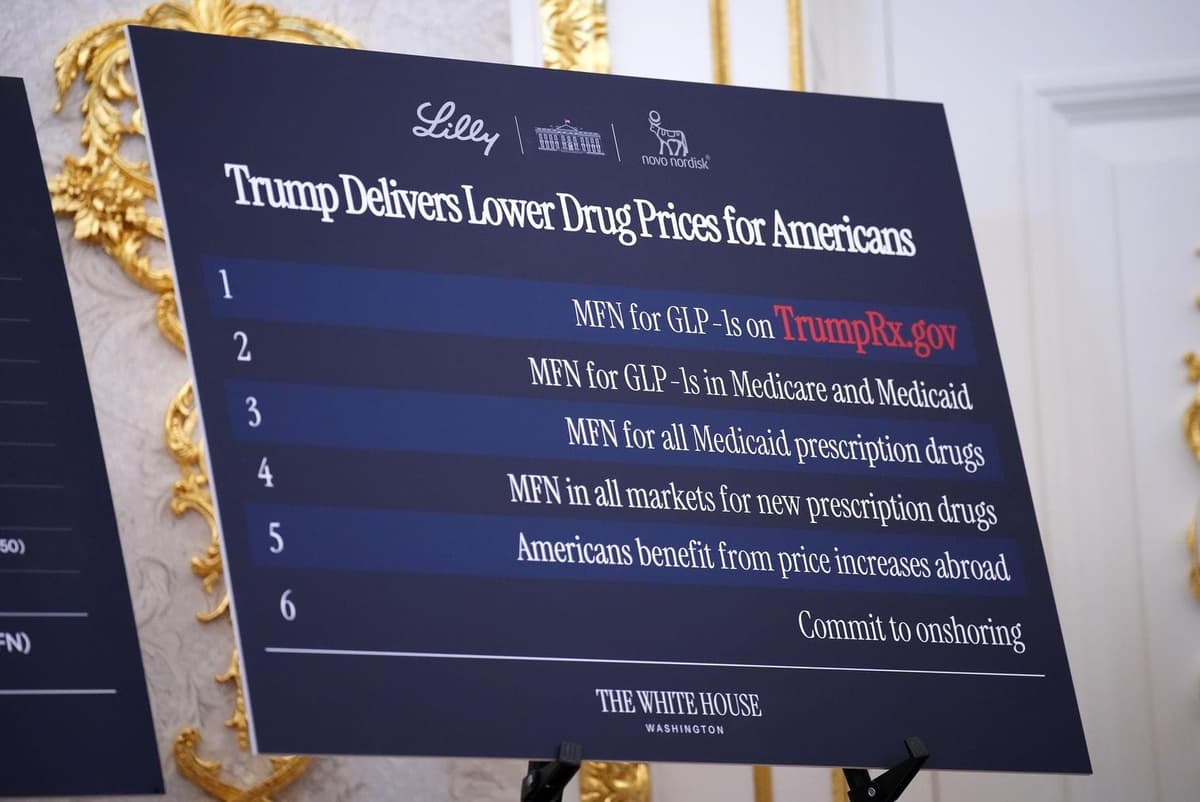
The Trump administration’s TrumpRx portal marks a rare foray of the federal government into direct‑to‑consumer drug sales. By negotiating three‑year, most‑favored‑nation agreements with 17 manufacturers, the site promises cash‑pay prices benchmarked against a basket of nine affluent nations. In practice, the portal lists primarily late‑stage branded medications, many of which already have lower‑priced generic or biosimilar alternatives. This focus limits the potential cost advantage for consumers, especially when competing discount services such as Cost Plus Drug Company or GoodRx often deliver deeper savings on generics.
For uninsured or under‑insured patients, TrumpRx can provide a modest reprieve from high list prices, but the savings are isolated from the broader insurance framework. Cash‑pay purchases do not count toward deductibles or out‑of‑pocket maximums, meaning patients may sacrifice future coverage benefits for short‑term discounts. Moreover, the portal’s reliance on MFN pricing does not guarantee lower costs than existing Medicaid rebates, leaving the net impact on national drug spending ambiguous. The model thus risks perpetuating a two‑tiered market where wealthier consumers reap modest discounts while those reliant on insurance see little change.
Legislators like Rep. Greg Murphy are responding with proposals to integrate DTC spend into deductible calculations, a move that could make portals more attractive to insured shoppers. However, mandating such integration may shift costs to premiums, especially for high‑deductible plans favored by many insurers. Ultimately, the TrumpRx experiment underscores that without comprehensive insurance reforms—lower deductibles, capped premiums, and robust medical‑loss‑ratio rules—direct‑to‑consumer drug portals will remain a peripheral solution to a systemic affordability crisis.
Direct-To-Consumer Drug Portals Offer Lower Prices, But Preserve Inequities
Comments
Want to join the conversation?
Loading comments...