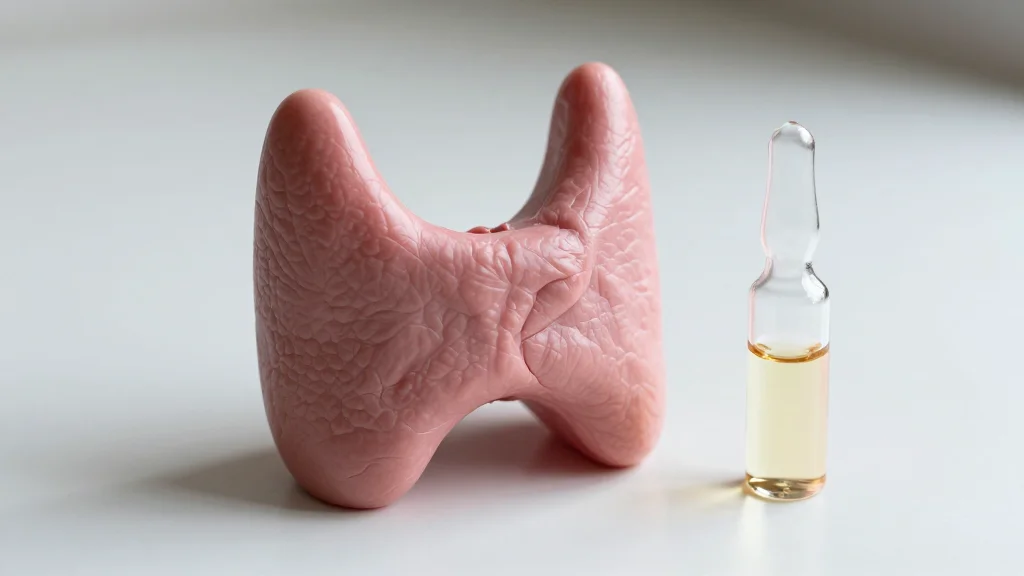
DTE Producer Hoping For FDA Leniency, BLA Approval
Why It Matters
Maintaining DTE on shelves safeguards affordable treatment for hypothyroid patients while signaling that the FDA may adopt flexible pathways for niche biologics seeking formal approval. This balances patient needs with regulatory oversight.
Key Takeaways
- •FDA grants enforcement discretion for desiccated thyroid extract
- •DTE remains on market despite being labeled unapproved biologic
- •Patients keep access to low‑cost thyroid therapy
- •One manufacturer has filed a Biologics License Application
- •Decision may set precedent for other legacy biologics
Pulse Analysis
Desiccated thyroid extract, derived from the dried thyroid glands of pigs, has been used for over a century to treat hypothyroidism, especially among patients who report better symptom control than with synthetic levothyroxine. Historically, DTE has occupied a gray area in U.S. regulation, marketed as a dietary supplement but effectively functioning as a drug. Its long‑standing safety profile and niche patient base have kept it on pharmacy shelves despite lacking formal FDA approval as a biologic.
In April 2026, the FDA announced it would apply enforcement discretion to DTE, meaning the agency will not take regulatory action against manufacturers while the product is classified as an unapproved biologic. This leniency allows existing DTE products to remain available, giving patients uninterrupted access to a low‑cost, patient‑preferred therapy. Simultaneously, at least one producer has submitted a Biologics License Application, seeking full approval that would cement DTE’s status under the Federal Food, Drug, and Cosmetic Act. The agency’s approach reflects a pragmatic balance: protecting public health without disrupting a therapy that many patients rely on.
The broader implication is a potential regulatory template for other legacy biologics that predate modern approval pathways. By granting discretion, the FDA acknowledges real‑world usage and safety data while encouraging manufacturers to pursue formal licensure. For the thyroid‑treatment market, continued DTE availability preserves a cheaper alternative to synthetic hormones, which can be critical for under‑insured patients. Industry observers will watch whether this leniency spurs additional BLA filings, potentially reshaping how niche, historically unregulated biologics transition into fully approved drug categories.
DTE Producer Hoping For FDA Leniency, BLA Approval
Comments
Want to join the conversation?
Loading comments...