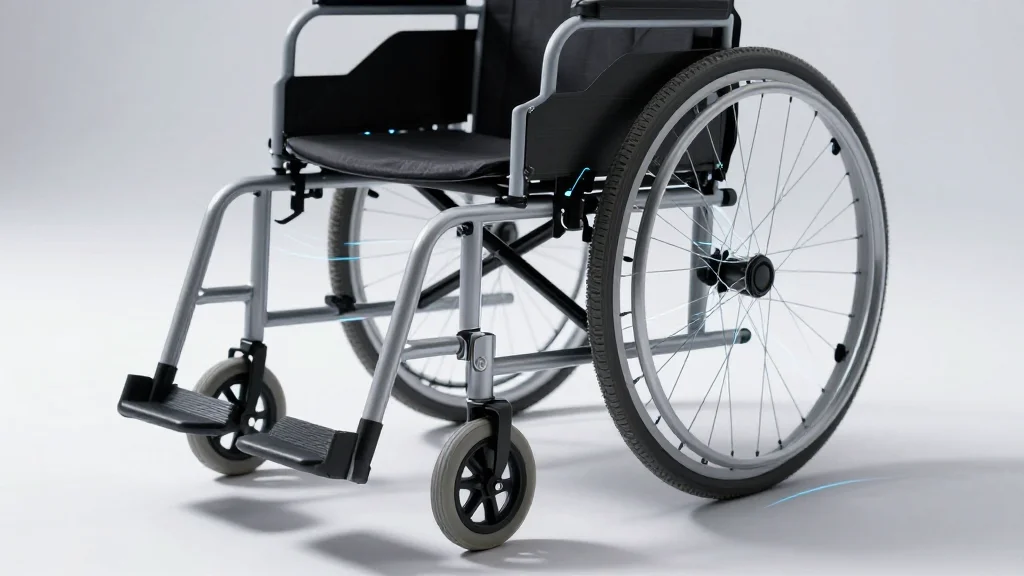
E&C To Mark Up Wheelchair, ACO Digital Quality Bills Wednesday
Why It Matters
Standardizing wheelchair reimbursement could lower out‑of‑pocket costs for patients, while digital quality reporting promises faster, more accurate performance data for ACOs, enhancing Medicare’s shift toward value‑based care.
Key Takeaways
- •New Medicare codes will reimburse wheelchair purchases for beneficiaries
- •Pilot program enables ACOs to submit digital quality measures
- •Digital reporting aims to improve data timeliness and care coordination
- •Legislation could reduce administrative burden for providers
- •Potential to standardize quality metrics across Medicare ACOs
Pulse Analysis
The push to add dedicated Medicare billing codes for wheelchairs reflects growing recognition that mobility devices are essential medical equipment, not luxury items. Historically, providers have navigated a patchwork of existing codes, often resulting in delayed payments and higher patient cost‑sharing. By codifying wheelchair coverage, the legislation seeks to streamline claims processing, reduce denial rates, and ensure that seniors and disabled Americans receive timely access to mobility aids—an outcome that could also curb downstream health expenses linked to falls and reduced independence.
Parallel to the reimbursement reform, the digital quality‑measure pilot targets accountable care organizations, which are central to Medicare’s value‑based payment models. Current reporting relies heavily on manual data collection and periodic submissions, creating lag times that impede real‑time performance monitoring. The pilot will allow ACOs to transmit quality metrics electronically, leveraging existing health‑IT infrastructure to produce near‑real‑time dashboards. Faster feedback loops enable providers to identify gaps, adjust care pathways, and meet quality thresholds more efficiently, ultimately supporting higher bonus payments under the Shared Savings Program.
If enacted, both bills could accelerate Medicare’s broader modernization agenda. Standardized wheelchair codes would align reimbursement with contemporary clinical practice, while digital quality reporting would set a precedent for other Medicare programs to adopt electronic data exchange. Stakeholders—from device manufacturers to health‑system executives—should monitor the markup closely, as the outcomes may shape future policy discussions on cost containment, patient access, and the scalability of digital health solutions across the federal health‑care system.
E&C To Mark Up Wheelchair, ACO Digital Quality Bills Wednesday
Comments
Want to join the conversation?
Loading comments...