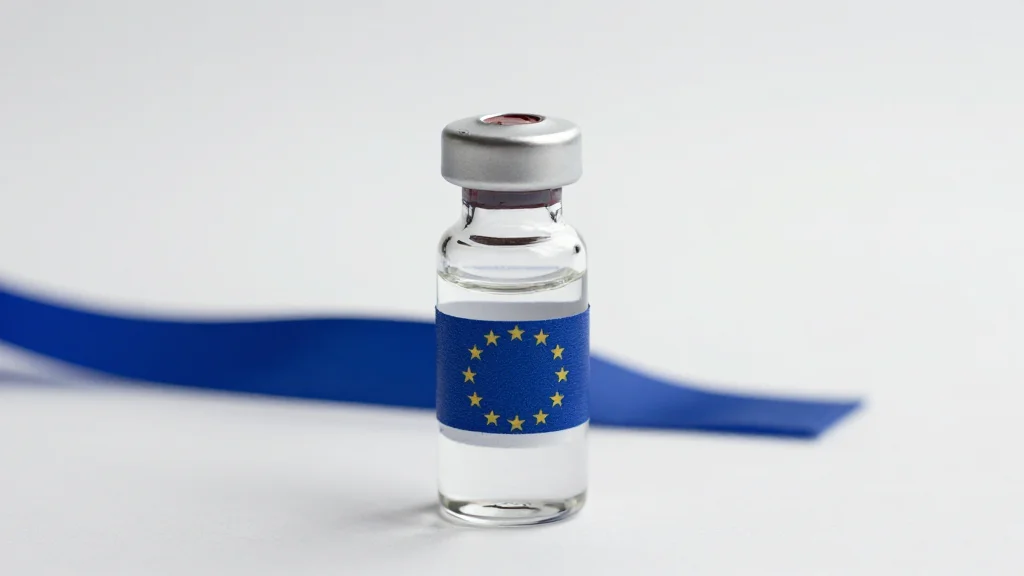
EU Reform Expands Biosimilar Access and Shortens Originator Exclusivity

Why It Matters
The EU’s biosimilar reform could reshape the continent’s drug‑pricing dynamics, delivering cost savings that reverberate through national health budgets and insurance schemes. By tightening exclusivity, the EU aims to break the monopoly pricing model that has kept biologic therapies expensive, thereby expanding patient access to life‑saving treatments. For manufacturers, the rule change forces a reassessment of R&D investment strategies, pushing originator firms toward innovation beyond first‑generation biologics and encouraging biosimilar developers to accelerate market entry. Beyond economics, the reform tests the EU’s ability to harmonize regulatory policy across diverse health systems. Successful implementation could set a precedent for other regions seeking to balance innovation incentives with affordability, while any delays or uneven national adoption risk creating a fragmented market that undermines the intended competition benefits.
Key Takeaways
- •EU political agreement reached Dec 2025 to overhaul biosimilar regulation
- •Bolar exemption expanded, allowing earlier testing before patent expiry
- •Exclusivity period for originator biologics shortened to accelerate biosimilar launch
- •Access conditionality measures introduced to tie reimbursement to cost‑effectiveness
- •Formal adoption by EU Parliament and Council expected in early 2027
Pulse Analysis
Historically, the EU has lagged behind the United States in biosimilar uptake, largely because of longer data‑exclusivity periods and fragmented national reimbursement policies. This reform directly addresses those structural barriers, aligning the EU more closely with the competitive pressures that have driven US biosimilar market growth. By compressing the exclusivity window, the EU is betting that price competition will cascade down to national health systems, delivering tangible savings without sacrificing safety.
However, the policy shift also introduces risk for originator companies that have relied on extended market protection to recoup R&D investments. The likely corporate response will be a pivot toward next‑generation biologics—such as bispecific antibodies or cell‑based therapies—where exclusivity can be re‑engineered through novel mechanisms of action. Simultaneously, biosimilar manufacturers will need to sharpen their value propositions, emphasizing not just price but also supply reliability and post‑launch pharmacovigilance.
The reform’s ultimate impact will depend on how quickly member states translate EU‑level rules into national reimbursement frameworks. If implementation is swift and uniform, the EU could see a surge in biosimilar launches within two years, pressuring originator prices by 20‑30% in high‑volume therapeutic areas. Conversely, a patchwork of national delays could blunt the competitive effect, leaving the market fragmented and preserving price differentials. Observers will be watching the European Parliament’s vote and subsequent guidance from the EMA as the first true test of whether regulatory engineering can deliver the promised cost‑containment and patient‑access outcomes.
EU Reform Expands Biosimilar Access and Shortens Originator Exclusivity
Comments
Want to join the conversation?
Loading comments...