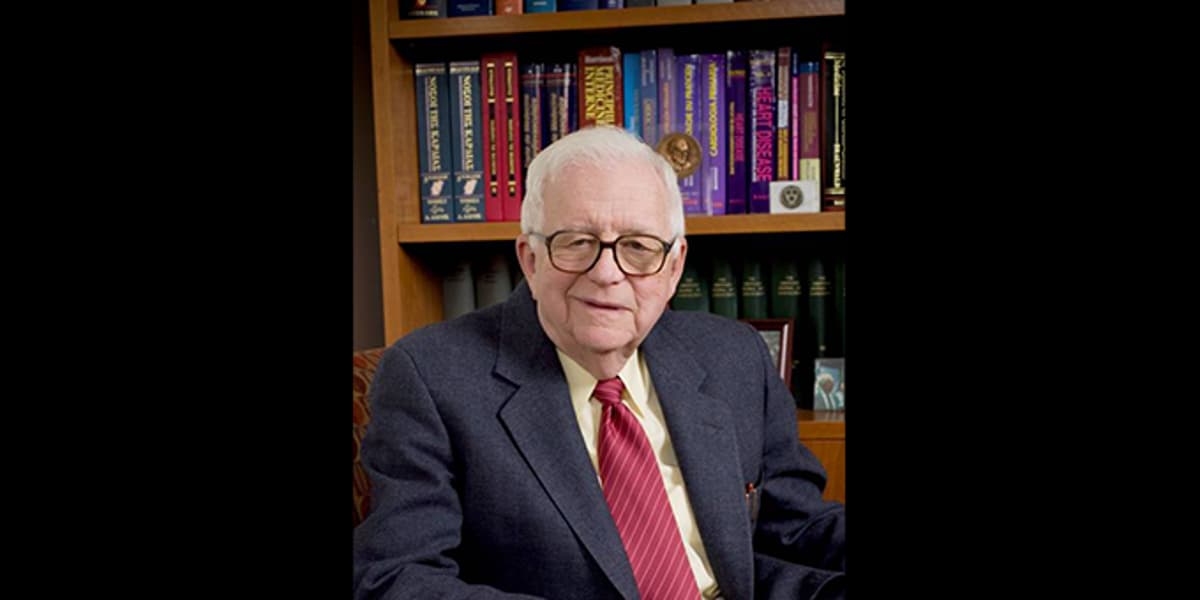
Eugene Braunwald, ‘Icon’ of Modern Cardiology, Dies at 96
Companies Mentioned
Why It Matters
Braunwald’s discoveries reshaped acute myocardial infarction treatment, saving countless lives, while his research infrastructure continues to drive evidence‑based cardiology worldwide.
Key Takeaways
- •Founded TIMI Study Group, delivering 70+ pivotal cardiovascular trials.
- •Pioneered “time is muscle” concept, emphasizing early reperfusion in MI.
- •Authored 1,600+ papers and edited Braunwald’s Heart Disease textbook.
- •Mentored generations; Harvard endowed chair and AHA mentorship award named for him.
Pulse Analysis
Eugene Braunwald’s journey from a refugee fleeing Nazi‑occupied Vienna to the pinnacle of American medicine epitomizes the power of perseverance in science. After excelling at NYU and training at Johns Hopkins, Mount Sinai, and Columbia, he joined the National Heart Institute in 1955, eventually becoming its chief of cardiology. His early work with André Cournand and later collaborations on hypertrophic cardiomyopathy laid a foundation for modern cardiac pathology. By the time he assumed the Hersey Distinguished Professorship at Harvard, Braunwald had already begun to reshape how clinicians think about heart disease.
The hallmark of Braunwald’s scientific legacy is the “time is muscle” concept, which linked rapid reperfusion to reduced infarct size and better survival. This insight directly inspired the development of thrombolytic therapy and percutaneous coronary intervention, now standard of care for acute coronary syndromes. In 1984 he founded the Thrombolysis in Myocardial Infarction (TIMI) Study Group, which has produced more than 70 randomized trials that define treatment guidelines for myocardial infarction, heart failure, and dyslipidemia. The group’s data continue to inform FDA approvals and clinical pathways worldwide.
Beyond his research, Braunwald was a mentor whose influence extends through a network of former trainees now leading academic institutions, industry, and policy. Harvard’s Eugene Braunwald Professorship and the AHA’s annual mentorship award institutionalize his commitment to nurturing talent, especially women and immigrants in cardiology. His editorial stewardship of Braunwald’s Heart Disease textbook ensures that each generation receives a coherent synthesis of evolving evidence. As cardiovascular disease remains the leading cause of death in the United States, Braunwald’s emphasis on early intervention and rigorous trial methodology will guide future innovations in precision cardiology.
Eugene Braunwald, ‘Icon’ of Modern Cardiology, Dies at 96
Comments
Want to join the conversation?
Loading comments...