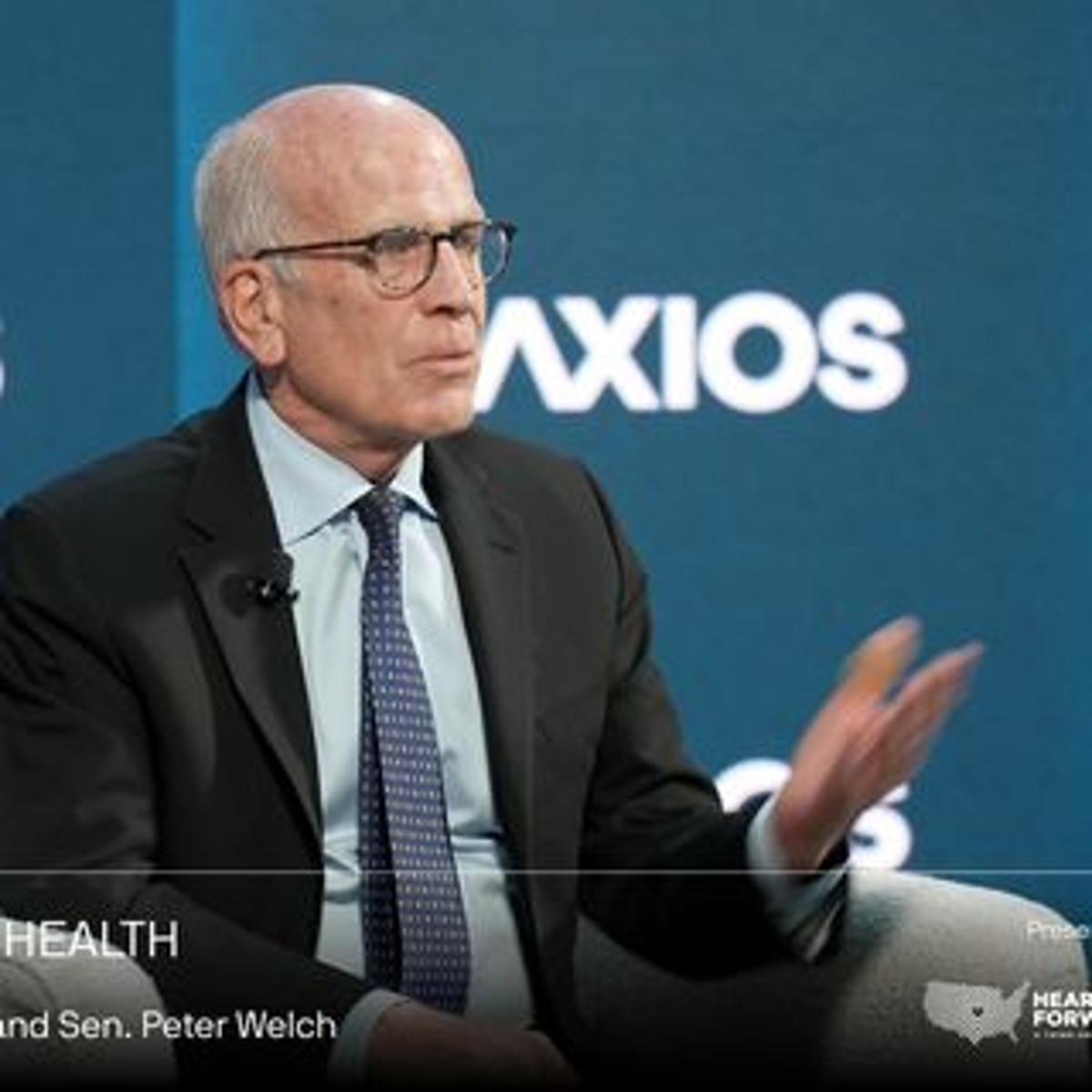
Exclusive: Sen. Welch Would Back Trump's Most Favored Nation Drug Policy Plan
Why It Matters
Bipartisan backing could give the MFN pricing model legislative momentum, potentially lowering prescription costs for millions while reshaping the U.S. pharma market.
Key Takeaways
- •Welch pledges active support for Trump’s MFN drug pricing plan
- •Bipartisan bill would cap U.S. prices at international average
- •Trump’s undisclosed deals with 16 pharma firms raise transparency concerns
- •Rural clinics risk closures as Medicaid cuts compound drug cost pressures
Pulse Analysis
The "most‑favored nation" (MFN) approach championed by President Trump seeks to tether American drug prices to the average rates paid by peer economies such as Canada, the United Kingdom, and France. By leveraging the pricing benchmarks of these nations, the plan promises to shave billions off the U.S. pharmaceutical spend, a compelling proposition for a public increasingly anxious about out‑of‑pocket costs. Senator Peter Welch’s endorsement adds a rare Democratic voice to a largely Republican‑driven agenda, signaling that price‑control measures may finally cross the partisan aisle and gain the legislative traction needed for enactment.
Transparency, however, remains a sticking point. The administration’s deals with at least 16 major drugmakers have been kept confidential, prompting Democrats to question whether the agreements truly benefit consumers or simply lock in favorable terms for the manufacturers. Trust in both parties to address drug affordability is low, according to KFF research, and the opacity of the MFN contracts could erode any bipartisan goodwill. Moreover, the broader health‑care landscape is under strain: Medicaid cuts tied to the recent tax law and soaring drug prices are prompting rural clinics to shutter, exacerbating access gaps in underserved areas.
If Welch’s bipartisan template succeeds, it could serve as a legislative blueprint for capping U.S. drug prices at the international average, forcing manufacturers to justify premium pricing. Such a shift would ripple through the pharmaceutical supply chain, potentially prompting price‑adjustments, reshaping R&D investment strategies, and influencing global pricing negotiations. Conversely, failure to secure transparency or address ancillary health‑care funding could stall the initiative, leaving the status quo—and the political risk of high drug costs—intact. Stakeholders from insurers to patient advocacy groups will be watching closely as Congress debates the balance between cost containment and market incentives.
Exclusive: Sen. Welch would back Trump's most favored nation drug policy plan
Comments
Want to join the conversation?
Loading comments...