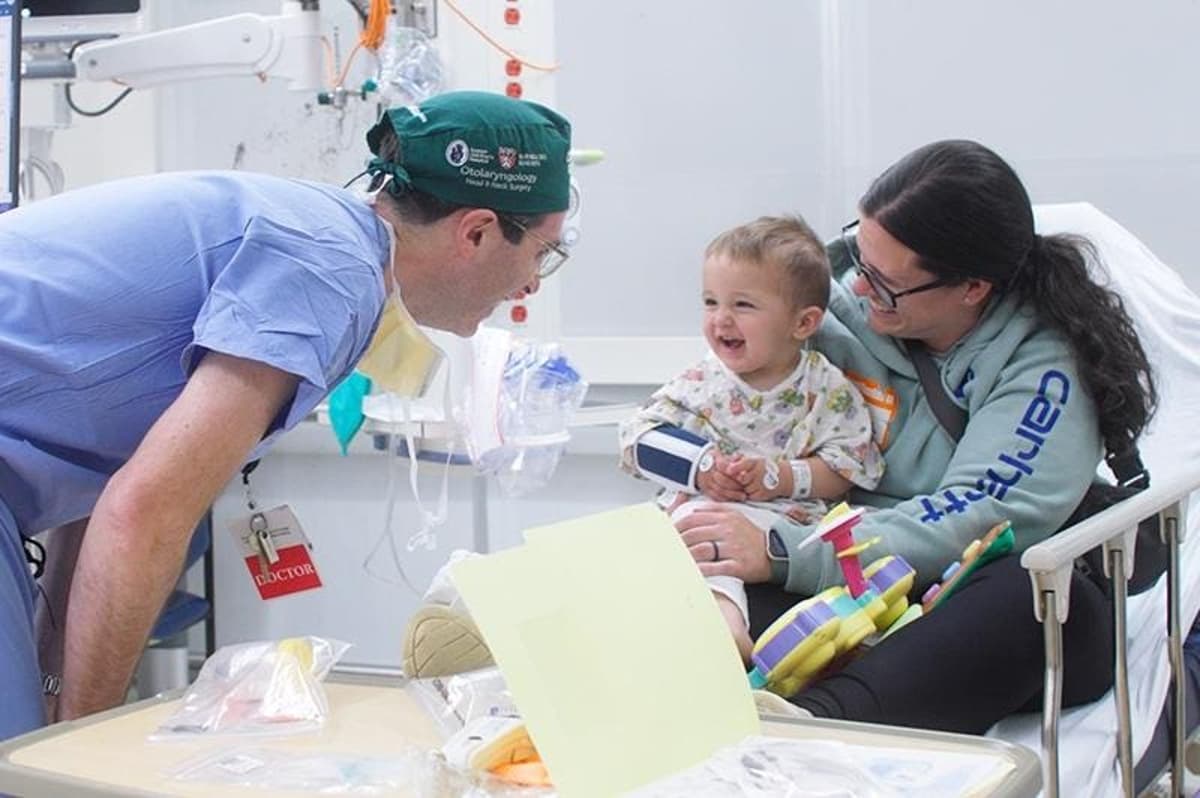
FDA Approves First-Ever Gene Therapy For Deafness, Opening Door To New Era
Companies Mentioned
Why It Matters
The approval introduces a disease‑modifying option for hereditary deafness, potentially reshaping pediatric audiology and accelerating gene‑therapy development for other genetic hearing disorders.
Key Takeaways
- •FDA greenlights first gene therapy for any form of deafness
- •80% showed hearing improvement within six months
- •Dual‑vector AAV delivery restores OTOF function in inner‑ear cells
- •Early treatment (under age three) yields best speech outcomes
- •Proof of concept opens gene‑therapy pipeline for other deafness genes
Pulse Analysis
Deafness affects roughly one in 1,000 newborns in the United States, and while cochlear implants have been the standard of care, they merely bypass the ear’s natural biology. The FDA’s recent approval of an OTOF‑targeted gene therapy marks the first time a molecular solution restores native hearing, offering a more physiological alternative that could improve speech and language development, especially when administered early. This breakthrough follows 25 years of research and a small but compelling trial that demonstrated robust efficacy and minimal side effects.
The therapy’s core innovation lies in its dual‑AAV vector system, which splits the oversized OTOF gene into two viral particles that recombine inside inner‑ear hair cells with about 90% efficiency. Once reconstituted, the gene produces functional otoferlin protein, re‑establishing the electrical link between hair cells and the auditory nerve. In the trial, 80% of participants reported measurable hearing gains within six months, and nearly half reached normal hearing thresholds that persisted for up to three years. Safety data showed only transient ear infections, reinforcing the treatment’s tolerability. Early intervention—ideally before age three—proved critical, as younger children demonstrated faster speech acquisition and better long‑term auditory outcomes.
Beyond the immediate clinical impact, this approval serves as a proof‑of‑concept for gene‑therapy platforms targeting the over 150 genes implicated in hereditary hearing loss. Industry players such as Eli Lilly and academic groups worldwide are already pursuing similar approaches for mutations like GJB2, which accounts for a fifth of genetic deafness. The success of the OTOF therapy could lower development costs, accelerate regulatory pathways, and attract investment into a previously untapped market, potentially transforming the landscape of auditory medicine over the next decade.
FDA Approves First-Ever Gene Therapy For Deafness, Opening Door To New Era
Comments
Want to join the conversation?
Loading comments...