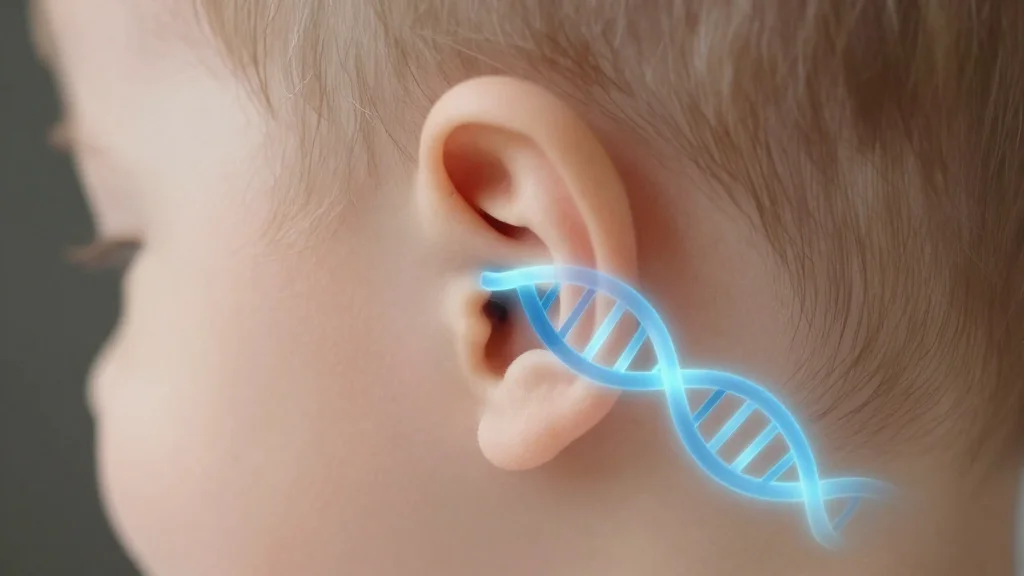
FDA Clears Regeneron's Otarmeni, First Gene Therapy to Restore Hearing

Why It Matters
The approval of Otarmeni marks the first time a gene therapy has been authorized to correct a sensory deficit at its genetic root, moving beyond the traditional reliance on devices such as hearing aids or cochlear implants. By restoring the biological function of the inner ear, the treatment offers the potential for more natural hearing and eliminates the lifelong maintenance and surgical risks associated with implants. Beyond the clinical impact, Otarmeni’s free‑of‑charge launch challenges the prevailing pricing model for gene therapies, which has been a major barrier to patient access. If the approach proves sustainable, it could reshape payer negotiations and set new expectations for affordability in the rapidly expanding field of genomic medicine.
Key Takeaways
- •FDA approves Otarmeni, the first gene therapy for OTOF‑related inherited deafness
- •Trial of 20 children shows 16 participants regained hearing, five detecting whispers
- •Regeneron will provide the therapy free of charge to eligible U.S. patients during rollout
- •Eligibility requires confirmed OTOF mutation, intact outer hair cells, and no prior cochlear implant in the treated ear
- •Fast‑track designation highlights FDA’s willingness to expedite treatments for rare, unmet‑need conditions
Pulse Analysis
Otarmeni’s clearance is a watershed for both the audiology and gene‑therapy markets. Historically, the gene‑therapy sector has been dominated by ophthalmic and hematologic indications, where delivery vectors can access target tissues relatively easily. The inner ear presents a unique anatomical challenge, yet Regeneron’s success demonstrates that viral vectors can achieve precise, localized gene transfer without systemic toxicity. This breakthrough is likely to inspire a new wave of R&D focused on other sensory disorders, such as age‑related macular degeneration and even olfactory loss, where the underlying genetics are increasingly understood.
From a commercial perspective, Regeneron’s decision to waive the drug price for the initial cohort is a bold strategic move. While the company will still incur manufacturing and administration costs, the goodwill generated may translate into stronger relationships with insurers, clinicians, and patient advocacy groups. Moreover, the free‑drug model could pressure competitors to adopt more patient‑centric pricing, potentially accelerating the overall adoption of gene therapies across therapeutic areas.
Finally, the approval underscores a broader regulatory trend: the FDA is willing to fast‑track therapies that address rare, high‑impact conditions, especially when conventional treatments are inadequate. This signals to biotech firms that robust, disease‑focused clinical data—even from relatively small trials—can be sufficient for market entry if the unmet need is compelling. As more gene‑editing platforms mature, we can expect a cascade of similar approvals, reshaping the therapeutic landscape for genetic diseases that were once considered untreatable.
FDA Clears Regeneron's Otarmeni, First Gene Therapy to Restore Hearing
Comments
Want to join the conversation?
Loading comments...