FDA Drug Official Moves To Hire A Friend Who Touts Unproven Claims About Antidepressants
•March 11, 2026
0
Why It Matters
If the FDA adopts Urato’s warnings, it could deter essential antidepressant use, increasing maternal mental‑health risks and influencing pharmaceutical labeling standards.
Key Takeaways
- •Hoeg seeks to hire Urato, who pushes pregnancy warnings
- •Urato’s evidence considered flimsy by most clinicians
- •Large studies show SSRIs generally safe in pregnancy
- •Untreated depression poses greater maternal and fetal risks
- •Staff view hiring as potential conflict of interest
Pulse Analysis
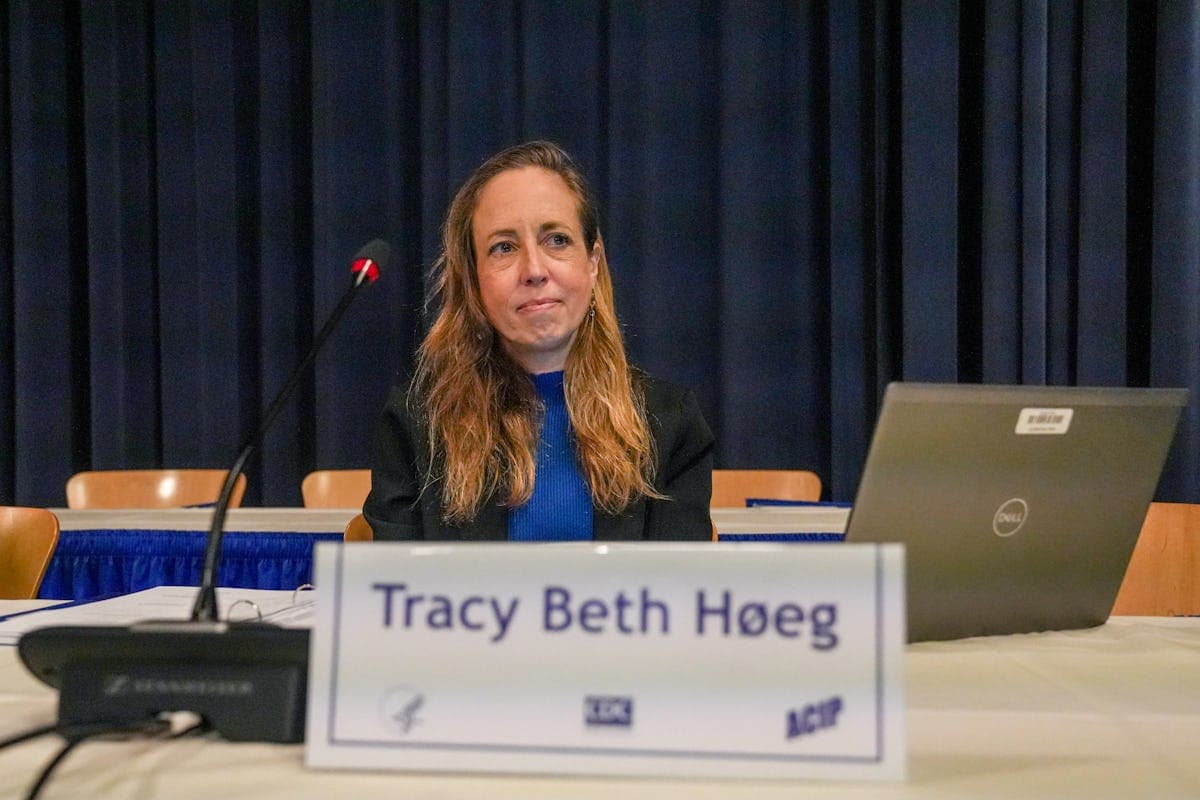
Antidepressant use among U.S. women of child‑bearing age has climbed to roughly one‑quarter, making the safety of these drugs during pregnancy a public‑health priority. The FDA’s Center for Drug Evaluation and Research oversees drug labeling, and any new boxed warning can dramatically affect prescribing habits, insurance coverage, and patient confidence. Dr. Tracy Beth Hoeg’s initiative to bring Dr. Adam Urato into the agency signals an effort to accelerate a petition that argues SSRIs may cause miscarriage, fetal brain abnormalities, and autism, despite the agency’s reliance on comprehensive clinical data to guide decisions.
Scientific consensus, however, paints a different picture. Multiple large‑scale cohort studies have found no significant increase in birth defects among infants exposed to SSRIs, while highlighting that discontinuing treatment raises the risk of postpartum depression, preterm birth, and even maternal suicide. Critics argue Urato’s citations are drawn from animal models or underpowered human trials that lack replication. The apparent conflict of interest—Hoeg presenting Urato’s work as her own—has sparked internal dissent, underscoring the importance of transparent, evidence‑based regulatory processes when public health is at stake.
For clinicians and patients, the controversy reinforces the need for individualized risk‑benefit discussions. Obstetricians and psychiatrists must weigh the modest, unconfirmed risks of medication against the well‑documented harms of untreated depression. Should the FDA issue new warnings, pharmaceutical companies may face label revisions, potential litigation, and market shifts, while women contemplating pregnancy could encounter heightened anxiety about continuing therapy. Ultimately, the episode highlights how regulatory actions, scientific rigor, and personal relationships intersect to shape the therapeutic landscape for millions of expectant mothers.
FDA Drug Official Moves To Hire A Friend Who Touts Unproven Claims About Antidepressants
0
Comments
Want to join the conversation?
Loading comments...