First Patient Enrolled in Massive Heart Failure Trial
Why It Matters
BENEFIT‑HF could dramatically broaden Barostim’s market, offering a new therapeutic option for millions of symptomatic heart‑failure patients and influencing reimbursement and adoption trends.
Key Takeaways
- •BENEFIT-HF aims to enroll 2,500 heart‑failure patients in US and Germany
- •Trial targets NYHA Class II/III patients with LVEF <50% despite optimal therapy
- •Barostim could triple its eligible patient pool if trial succeeds
- •Study runs through 2032, providing long‑term safety and efficacy data
- •Barostim already holds FDA, CE‑mark, and new CPT Category 1 codes
Pulse Analysis
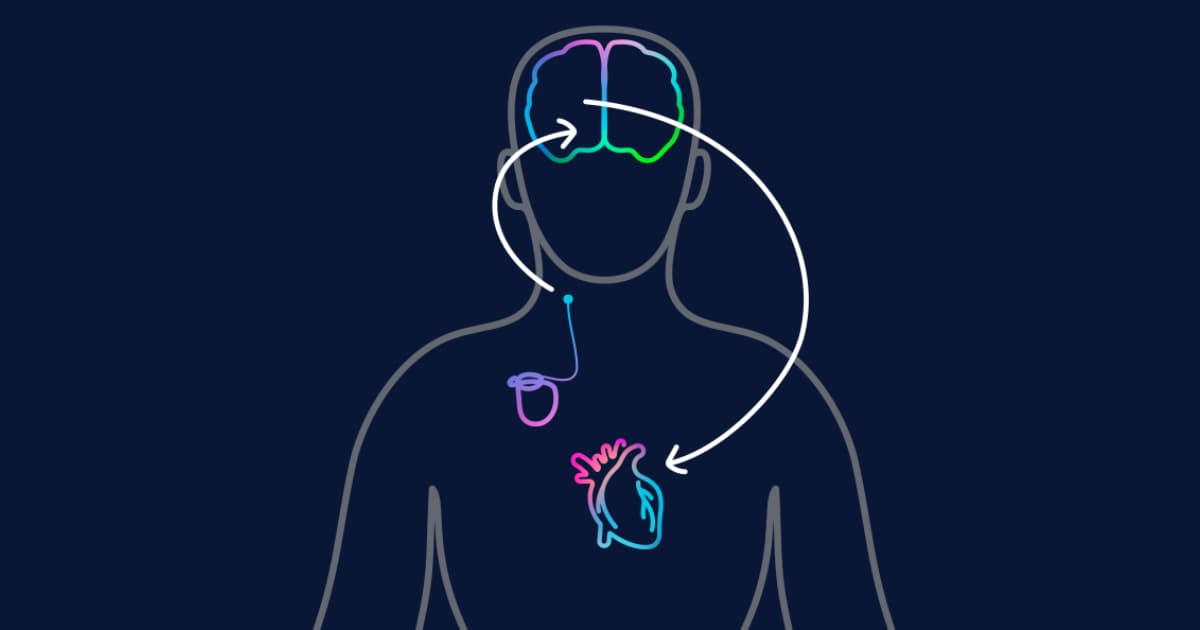
Heart failure remains a leading cause of hospitalization in the United States, affecting over six million adults. While pharmacologic regimens have improved outcomes, many patients continue to experience symptoms and reduced quality of life. Barostim therapy, an implantable device that modulates autonomic nervous system signaling via cervical baroreceptors, offers a novel, non‑pharmacologic approach. Since receiving FDA and CE‑mark clearance, the technology has gained traction, supported by new Category 1 CPT codes that simplify billing and reimbursement for providers.
The BENEFIT‑HF trial represents the most extensive evaluation of Barostim to date. By enrolling 2,500 patients with NYHA Class II‑III heart failure, left‑ventricular ejection fractions below 50% and NT‑proBNP under 5,000 pg/mL, the study captures a broad, real‑world population that remains symptomatic despite optimal medical therapy. Conducted across multiple U.S. sites and German centers, the randomized, controlled design will generate robust efficacy and safety data through 2032, addressing lingering questions about long‑term device performance and its place alongside emerging therapies such as SGLT2 inhibitors and cardiac‑resynchronization devices.
If the trial confirms the hypothesized benefits, Barostim could see its addressable market triple, positioning it as a mainstream adjunctive treatment for heart‑failure patients. The expanded indication would likely accelerate payer adoption, especially given the recent CPT code updates that reduce administrative barriers. Moreover, the data could spur further innovation in neuromodulation, prompting competitors to explore similar approaches. Investors and clinicians alike will be watching the interim results closely, as they may reshape therapeutic algorithms and drive a new wave of device‑centric heart‑failure care.
First patient enrolled in massive heart failure trial
Comments
Want to join the conversation?
Loading comments...