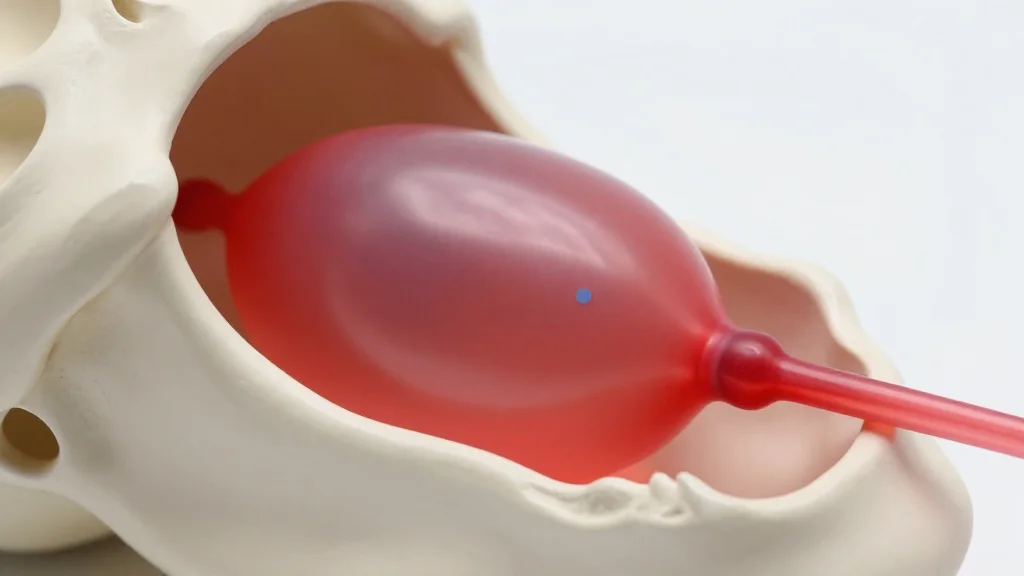
First Patient Treated in Airiver Medical’s RESTORE-2 Trial for CRS
Why It Matters
The trial could deliver a longer‑lasting, less invasive therapy for CRS, a condition that drives significant healthcare costs and repeat surgeries. Successful data would position Airiver to capture a sizable market gap in sinus disease management.
Key Takeaways
- •First patient enrolled in Airiver's RESTORE-2 trial for ESSpand sinus DCB.
- •Trial targets up to 300 CRS patients, with or without nasal polyps.
- •ESSpand DCB releases paclitaxel to prevent sinus re‑narrowing post‑surgery.
- •Data will support FDA submission and potential US commercial launch.
- •Airiver also runs OXYGEN‑RCT pulmonary DCB trial, 21 of 200 treated.
Pulse Analysis
Chronic rhinosinusitis (CRS) affects an estimated 30 million Americans, causing persistent nasal congestion, facial pain, and reduced quality of life despite medical therapy or surgery. Conventional approaches—oral steroids, topical sprays, and endoscopic sinus surgery—often require repeat interventions because scar tissue can re‑occlude sinus drainage pathways. The unmet clinical gap has spurred interest in drug‑coated balloon technologies that combine mechanical dilation with localized drug delivery, aiming to extend symptom relief while minimizing systemic exposure. Patients often experience lost workdays and increased healthcare costs, reinforcing the economic burden of the disease.
The RESTORE‑2 pivotal study marks Airiver Medical’s first in‑human use of its ESSpand sinus drug‑coated balloon, which impregnates the balloon surface with paclitaxel—a chemotherapeutic agent that inhibits fibroblast proliferation. Delivered during endoscopic sinus surgery, the device expands narrowed passages and leaves a thin paclitaxel layer to curb scar formation. Enrolling up to 300 patients across the United States, the trial includes subjects with and without nasal polyps, providing a broad safety and efficacy dataset that will inform the company’s forthcoming FDA submission. The primary endpoint focuses on endoscopic sinus patency at six months, while secondary measures track symptom scores and medication use.
Beyond the sinus indication, Airiver is simultaneously advancing its pulmonary drug‑coated balloon in the OXYGEN‑RCT trial, underscoring a platform strategy that leverages paclitaxel‑mediated anti‑scar technology for multiple airway disorders. The company secured FDA breakthrough device designation for the pulmonary product in March 2026, a regulatory signal that could accelerate review timelines for the sinus device as well. If the RESTORE‑2 data demonstrate durable outcomes, Airiver could address a multi‑billion‑dollar CRS market, offering physicians a less invasive, longer‑lasting alternative to repeat surgeries. Analysts project that a successful launch could generate $150 million in annual revenue within five years, given the high prevalence and limited long‑term solutions.
First patient treated in Airiver Medical’s RESTORE-2 trial for CRS
Comments
Want to join the conversation?
Loading comments...