Flagged Hospitals Say They Are Not Financially Endangered
Companies Mentioned
Chartis

Forrester
Why It Matters
The dispute highlights uncertainty around Medicaid policy impacts, influencing hospital financing, regional access to care, and investor confidence in health‑system stability.
Key Takeaways
- •Public Citizen flagged 446 hospitals as vulnerable to Medicaid cuts.
- •Northwest Mississippi Regional says it remains open after ownership transition.
- •Minden Medical Center and Welch Community Hospital deny closure risk.
- •Rural hospitals' margins improved 2023‑2025, offsetting some Medicaid loss.
- •Commercial payer mix now drives profitability more than Medicaid payments.
Pulse Analysis
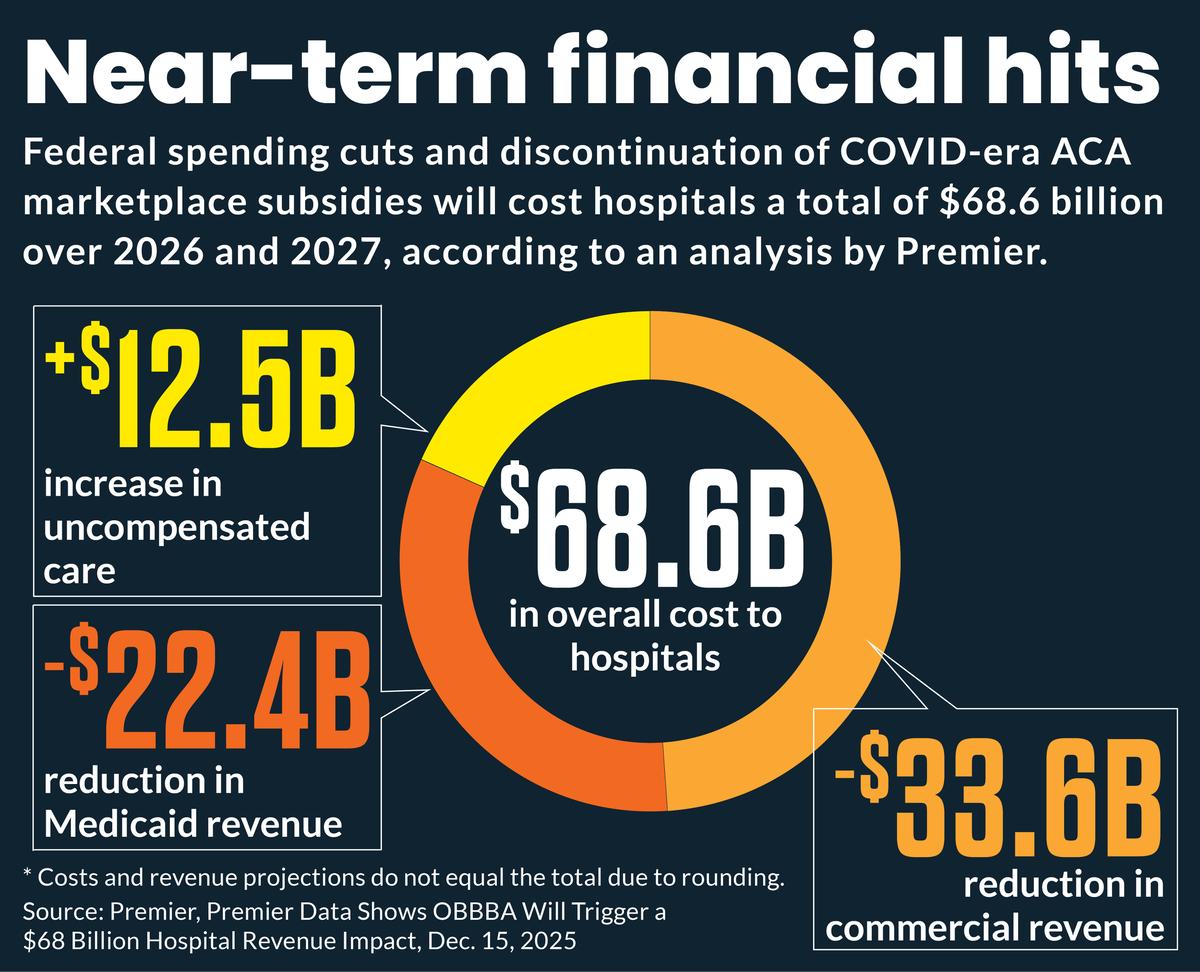
The Public Citizen analysis sparked a fresh debate about the future of America’s safety‑net hospitals. By using a 20% Medicaid payer‑mix threshold and a three‑year negative margin window, the report painted a stark picture of 446 facilities teetering on the brink once OBBBA’s cuts take effect. Yet the methodology coincided with a turbulent post‑pandemic era—when federal supplemental aid faded and many hospitals recorded operating margins in the red. This timing has prompted several flagged institutions to push back, emphasizing that temporary financial turbulence does not equate to imminent closure.
A deeper dive into hospital economics reveals why the alarm may be overstated. Recent data from Kaufman Hall and Chartis show that operating margins have rebounded to positive levels, with rural hospitals posting median margins above zero by 2025. Moreover, the payer landscape has shifted: roughly half of inpatient and outpatient revenue now stems from commercial insurers and Medicare Advantage plans, diluting the impact of Medicaid cuts. Facilities such as Northwest Mississippi Regional, which navigated an ownership transition, and state‑run Welch Community Hospital, backed by legislative appropriations, illustrate how diversified revenue streams can buffer policy shocks.
For policymakers and investors, the controversy underscores the need for nuanced risk assessments. While Medicaid reductions will undeniably strain providers heavily reliant on low‑income payers, the broader trend of improving margins and sustained construction activity suggests resilience in the sector. Stakeholders should monitor commercial rate negotiations, state funding commitments, and the evolving OBBBA provisions to gauge true closure risk. Proactive strategies—like expanding private‑payer contracts and investing in service line diversification—can further safeguard hospitals against future fiscal headwinds.
Flagged hospitals say they are not financially endangered
Comments
Want to join the conversation?
Loading comments...