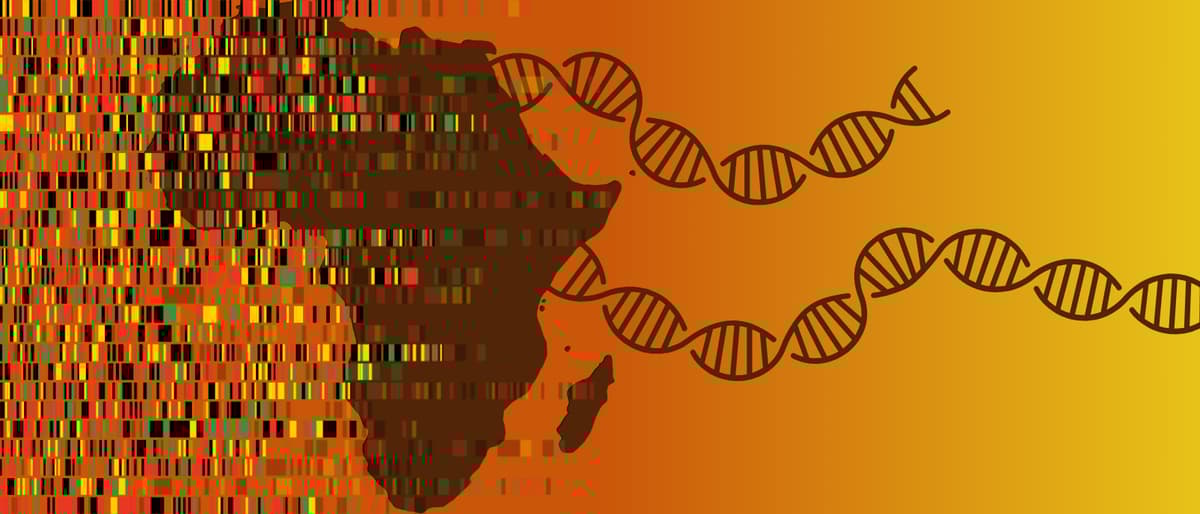
Global Genomics: Representative Research Is Key to Unlocking the Full Potential of Precision Medicine
•February 18, 2026
0
Why It Matters
Without representative data, predictive tools and therapies remain biased, widening health disparities worldwide. Closing the diversity gap will accelerate discovery, improve risk prediction across ancestries, and ensure equitable access to precision medicine.
Key Takeaways
- •GWAS >86% European, <1% African representation.
- •African variants drove PCSK9 inhibitor development.
- •PRS models perform poorly in African populations.
- •Africa-led biobanks train 120 early-career scientists.
- •Diverse datasets improve fine-mapping and equitable precision medicine.
Pulse Analysis
The global genomics landscape remains skewed toward European ancestry, with more than 86% of genome‑wide association study participants hailing from Europe while African cohorts contribute less than 1% of data. This imbalance not only creates scientific blind spots but also translates into clinical inequities: polygenic risk scores calibrated on European data often misclassify disease risk in African populations, and drug dosing guidelines may overlook population‑specific metabolism pathways. The discovery of loss‑of‑function PCSK9 variants in African individuals, which sparked a class of cholesterol‑lowering drugs, illustrates the untapped potential of diverse genetic insights.
In response, Fatumo’s team is building a multi‑layered infrastructure that couples high‑throughput sequencing—whole‑genome, whole‑exome, and African‑optimized genotyping arrays—with proteomic and metabolomic profiling. Projects like KidneyGenAfrica generate large, African‑led biobanks and provide hands‑on training for up to 120 early‑career scientists, fostering local expertise in statistical genetics, bioinformatics, and grant writing. By adapting statistical models to the lower linkage disequilibrium and higher heterogeneity of African genomes, these initiatives push methodological innovation and ensure that data generation is matched by capacity building.
Looking ahead, a truly representative genomic database will reshape research and healthcare. Fine‑mapping resolution will improve, enabling the pinpointing of causal variants that are invisible in homogeneous datasets. Polygenic risk scores will become reliable across continents, supporting equitable preventive strategies and personalized therapies. Moreover, inclusive data policies that prioritize African leadership and benefit‑sharing will attract industry investment while safeguarding ethical standards. Ultimately, diversifying genomic resources is the linchpin for unlocking the full promise of precision medicine for every patient, regardless of ancestry.
Global genomics: representative research is key to unlocking the full potential of precision medicine
0
Comments
Want to join the conversation?
Loading comments...