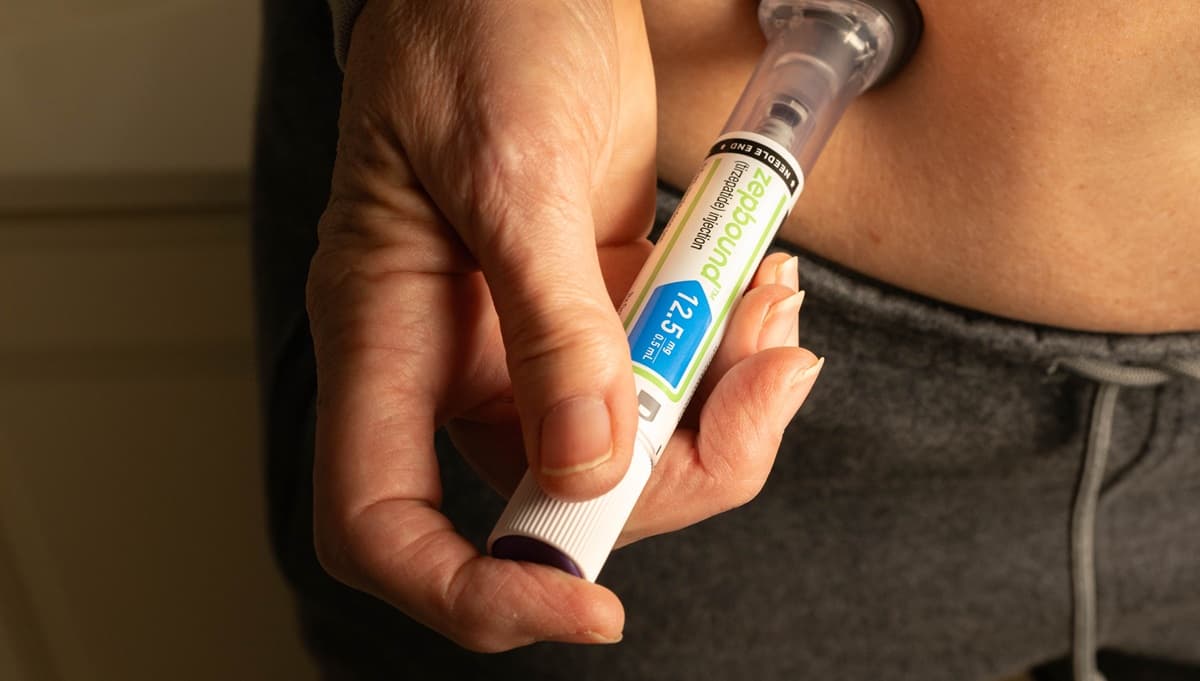
GLP-1 Drugs May Lower CV Risk in TAVI Patients With Diabetes or Obesity
Why It Matters
If confirmed, GLP‑1 agonists could become a standard adjunct therapy for high‑risk TAVI patients, improving survival and reducing costly cardiovascular complications. This shifts post‑procedural management toward comprehensive cardiometabolic optimization rather than valve‑only focus.
Key Takeaways
- •GLP‑1 agonists cut 1‑year MACE risk by 37% in TAVI patients
- •All‑cause mortality reduced 39% among GLP‑1 users after valve replacement
- •Benefits observed in both diabetic and obese subgroups, independent of weight loss
- •Ongoing REVERSE‑TAVR trial will test semaglutide versus placebo post‑TAVI
- •Findings prompt reconsideration of cardiometabolic optimization in structural heart disease care
Pulse Analysis
Glucagon‑like peptide‑1 receptor agonists, originally marketed for diabetes and weight loss, are gaining traction as cardiovascular risk modifiers. In the setting of transcatheter aortic valve implantation (TAVI), patients often present with a constellation of metabolic disorders that amplify procedural risk. By targeting inflammation, endothelial function, and lipid profiles, GLP‑1 drugs address the underlying pathophysiology that traditional valve therapy does not, offering a pharmacologic bridge between the cath lab and long‑term survivorship.
The recent real‑world study leveraged more than 21,000 TAVI cases from the TriNetX database, isolating 1,708 propensity‑matched pairs of GLP‑1 users and non‑users. Results revealed a 37% relative reduction in composite MACE and a 39% drop in all‑cause mortality at one year, with consistent benefits across diabetic and obese cohorts. Individual event rates for myocardial infarction, stroke, heart‑failure exacerbation, and new atrial fibrillation were also markedly lower, suggesting a broad cardioprotective effect that transcends simple weight reduction.
While the observational design precludes causal inference, the magnitude of benefit has spurred the launch of the phase III REVERSE‑TAVR trial, which will randomize high‑risk patients to semaglutide or placebo. Should prospective data confirm these signals, cardiology practice could evolve to incorporate GLP‑1 agonists as a routine component of post‑TAVI care pathways, potentially reducing rehospitalizations and long‑term healthcare costs. The broader implication is a paradigm shift toward integrated cardiometabolic management for structural heart disease patients, aligning pharmacotherapy with procedural success.
GLP-1 Drugs May Lower CV Risk in TAVI Patients With Diabetes or Obesity
Comments
Want to join the conversation?
Loading comments...