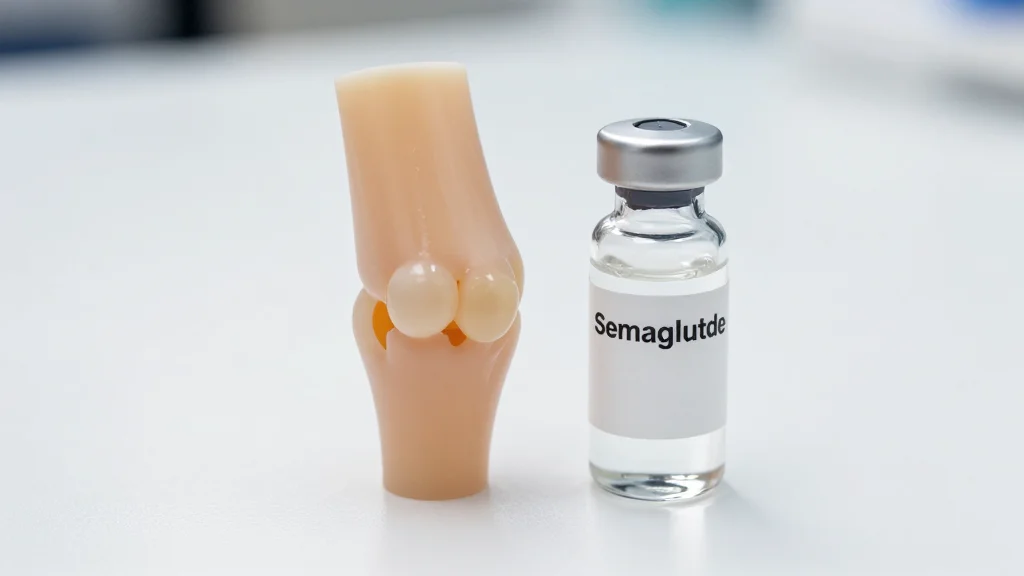
GLP-1 Drugs Shown to Fight Arthritis Independent of Weight Loss
Why It Matters
If confirmed, semaglutide could become a disease‑modifying therapy for osteoarthritis, expanding its market beyond metabolic disorders and offering a novel, non‑surgical option for millions of patients.
Key Takeaways
- •Semaglutide reduced cartilage loss in mice beyond weight loss effects
- •Human trial showed 17% cartilage thickness increase after 24 weeks
- •Benefits appeared despite similar weight loss in control group
- •Findings suggest metabolic pathway, not just mechanical load, drives OA improvement
Pulse Analysis
The surge of GLP‑1 receptor agonists has reshaped diabetes care and sparked a wave of off‑label investigations. Semaglutide, marketed as Ozempic, Wegovy and Rybelsus, earned FDA approval for type‑2 diabetes in 2017 and for obesity in 2021. Since then, clinicians have reported ancillary benefits ranging from kidney protection to neuro‑cognitive effects, prompting researchers to explore the drug’s broader metabolic influence. This expanding evidence base positions GLP‑1 drugs as potential multi‑disease platforms rather than single‑indication therapies.
The latest Chinese study adds osteoarthritis to the growing list of possible indications. In a controlled mouse experiment, only semaglutide‑treated rodents exhibited less cartilage breakdown, fewer bone spurs, and reduced joint pain, even when weight loss was matched in the control group. Translating these findings to humans, a 24‑week pilot involving 20 obese knee‑OA patients showed a 17% increase in cartilage thickness and improved functional scores when semaglutide was combined with standard hyaluronic‑acid injections. Although the trial lacked a weight‑loss‑matched comparator, the disparity between groups suggests a direct pharmacologic effect on cartilage metabolism.
For the pharmaceutical industry and healthcare providers, these results could signal a new revenue stream and a shift in OA management. Current treatments focus on pain relief and eventual joint replacement; a disease‑modifying agent would reduce surgical demand and associated costs. However, larger, placebo‑controlled trials are essential to confirm efficacy, safety, and optimal dosing for joint health. Regulators will also need to weigh off‑label use against established indications, while insurers evaluate cost‑effectiveness. If subsequent research validates these early signals, semaglutide may soon be prescribed not only to lower blood sugar and weight but also to preserve joint function for aging populations.
GLP-1 drugs shown to fight arthritis independent of weight loss
Comments
Want to join the conversation?
Loading comments...