GLP-1 RAs, Fewer Headaches Linked in Intracranial Hypertension
Why It Matters
GLP‑1 RAs could become a disease‑modifying therapy for IIH, addressing both weight‑related pathology and debilitating headaches, a combination not offered by current treatments.
Key Takeaways
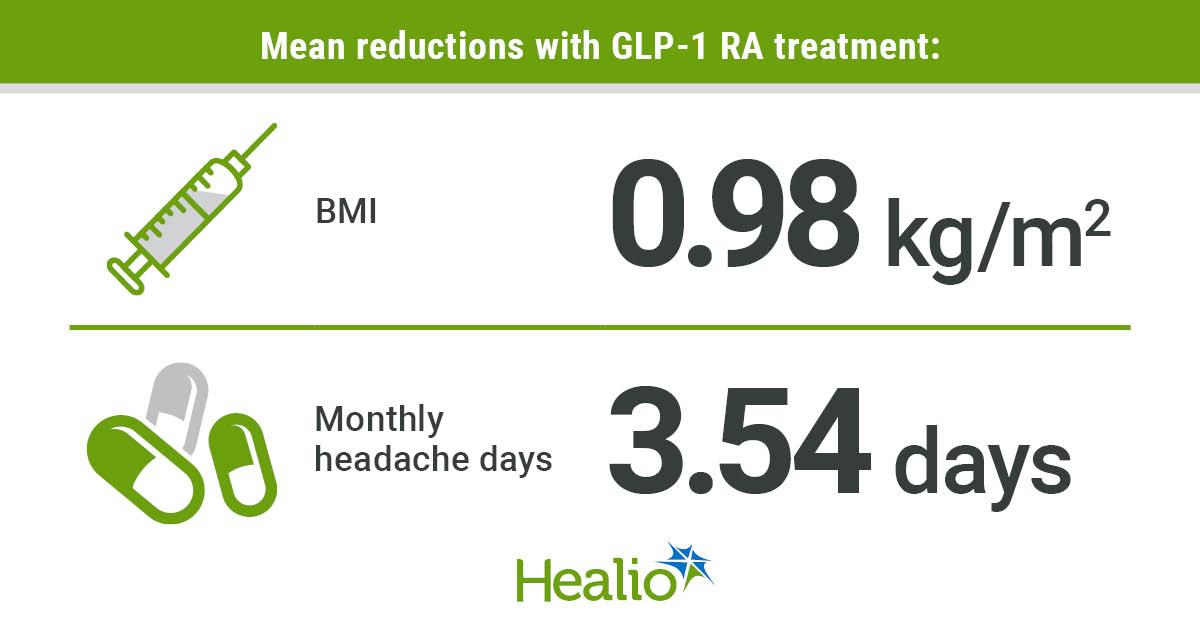
- •GLP‑1 RAs cut monthly headache days by 3.5 on average
- •Patients lost ~1 kg/m² BMI after GLP‑1 RA therapy
- •Study pooled 12,442 IIH patients, 89% women
- •Visual acuity improved modestly at 6 months with GLP‑1 RAs
- •Larger RCTs needed to confirm long‑term safety and efficacy
Pulse Analysis
Idiopathic intracranial hypertension remains a challenging neuro‑ophthalmologic disorder, disproportionately affecting young women with obesity. Traditional management relies on lumbar puncture, acetazolamide, or surgical shunting, all of which target cerebrospinal fluid dynamics but do little to address the underlying metabolic drivers. As obesity rates climb, clinicians have been searching for therapies that simultaneously promote weight loss and alleviate the hallmark symptoms of IIH—persistent headaches and visual impairment.
Enter GLP‑1 receptor agonists, a class of drugs originally approved for type 2 diabetes and, more recently, for chronic weight management. Their mechanism—enhancing insulin secretion, suppressing glucagon, and slowing gastric emptying—translates into meaningful reductions in body‑mass index. The recent meta‑analysis of seven heterogeneous studies, encompassing over twelve thousand patients, demonstrates that GLP‑1 RAs not only trim BMI by nearly one kilogram per square meter but also shave more than three headache days from a typical month. Visual acuity, a critical outcome for IIH patients, showed a small yet statistically significant improvement at six months, suggesting a potential neuroprotective effect beyond mere weight loss.
The findings have immediate commercial and clinical implications. Pharmaceutical firms with GLP‑1 portfolios may see an expanded indication that taps into a high‑unmet‑need market, while neurologists and ophthalmologists gain a pharmacologic tool that aligns metabolic and neurological goals. However, the evidence base is still limited by study heterogeneity and short follow‑up periods. Stakeholders should watch for forthcoming large‑scale randomized trials that will clarify durability, safety, and cost‑effectiveness, ultimately shaping treatment guidelines for a condition that has long lacked a targeted medical therapy.
GLP-1 RAs, fewer headaches linked in intracranial hypertension
Comments
Want to join the conversation?
Loading comments...