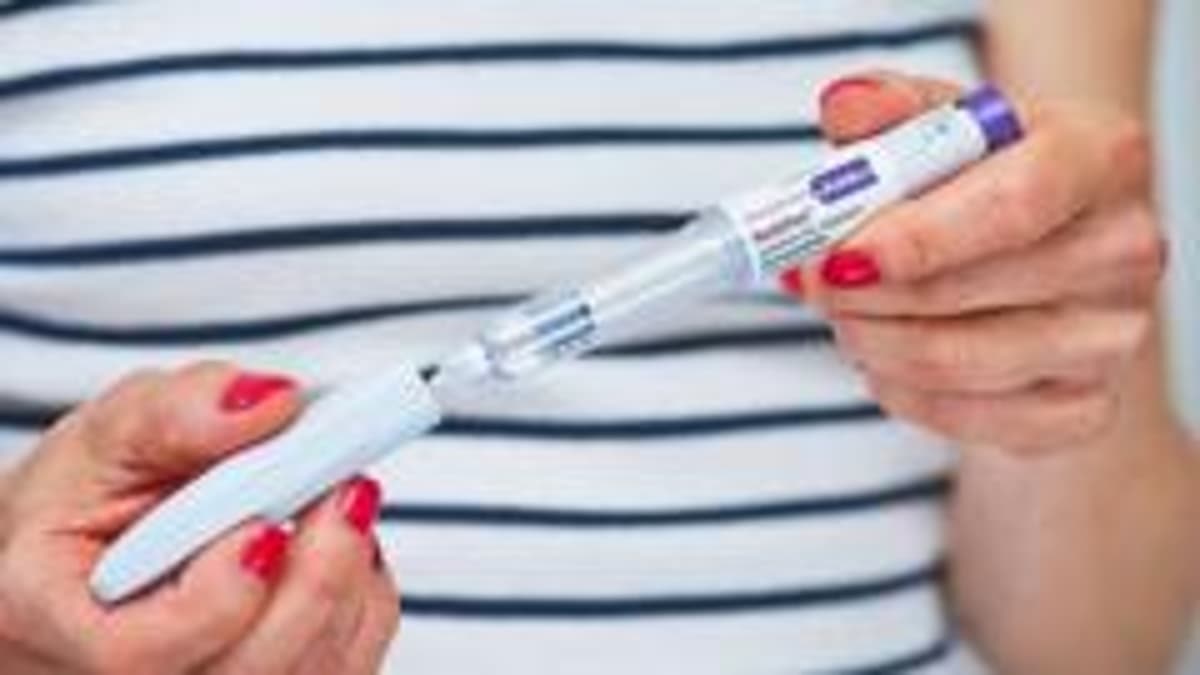
GPs to Get £3,000 Bonus to Maximise Weight Loss Drug Prescriptions
•February 24, 2026
0
Why It Matters
Financially rewarding GPs could raise use of proven obesity treatments and lower long‑term health costs, yet unchanged eligibility risks perpetuating access inequities.
Key Takeaways
- •£3,000 GP bonus tied to Mounjaro prescriptions.
- •Eligibility remains BMI>40, widening to 35 next year.
- •Over 1 million patients use weight‑loss drugs privately.
- •Experts warn incentives won’t expand NHS access significantly.
- •Additional £1,000 offered for weight‑loss programme referrals.
Pulse Analysis
Obesity remains a leading driver of chronic disease and NHS expenditure in the UK, prompting policymakers to explore pharmaceutical solutions alongside lifestyle interventions. The recent approval of next‑generation GLP‑1 agonists such as Mounjaro and Wegovy has sparked demand, but NHS prescribing has been constrained by strict BMI thresholds and limited specialist capacity. By embedding a performance‑linked bonus into GP contracts, the government hopes to accelerate primary‑care adoption of Mounjaro, potentially reducing downstream complications like type‑2 diabetes and cardiovascular events. This approach reflects a broader shift toward incentivising preventive care within a traditionally treatment‑focused system.
The incentive structure offers an average £3,000 per practice for meeting prescription targets, complemented by a £1,000 reward for directing patients to structured weight‑loss programmes. Proponents argue that financial levers can overcome inertia and align clinician behaviour with public‑health goals. However, clinicians caution that the bonus may not translate into broader eligibility, as the drug remains restricted to patients with severe obesity (BMI > 40) and only modestly expands to BMI > 35 next year. Moreover, the added administrative burden could strain already stretched GP workloads, risking burnout and patient dissatisfaction if expectations outpace clinical realities.
Beyond immediate prescribing rates, the policy signals to the pharmaceutical market that the NHS is willing to integrate high‑cost, high‑impact therapies into primary care. If successful, it could pave the way for similar incentive models for other chronic‑disease drugs, reinforcing a preventive‑care paradigm. Yet the true impact will hinge on parallel reforms—such as improving food environments, expanding community support, and revising eligibility criteria—to ensure that financial incentives complement, rather than replace, comprehensive obesity management strategies.
GPs to get £3,000 bonus to maximise weight loss drug prescriptions
0
Comments
Want to join the conversation?
Loading comments...