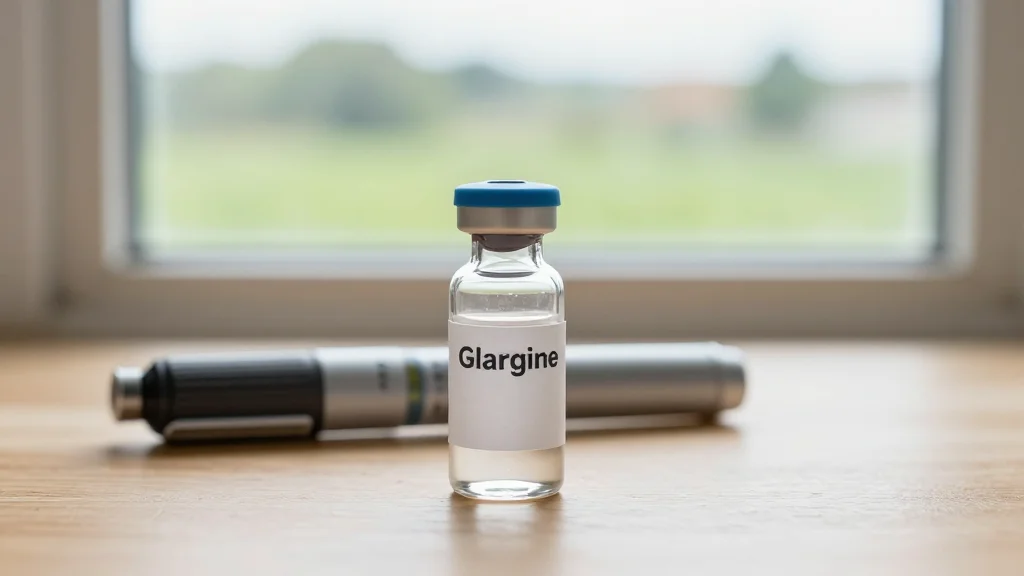
Initiation of the Interchangeable Biosimilar Insulin Glargine-Yfgn Among Older Adults
Companies Mentioned
Sanofi

SAS Institute
Why It Matters
The modest adoption limits potential cost savings for Medicare‑eligible seniors and hampers efforts to curb soaring insulin expenditures across the U.S. healthcare system.
Key Takeaways
- •Only 3.7% of older PA patients started insulin glargine‑yfgn.
- •Initiators more likely in rural areas and long‑term care facilities.
- •Multiple prescribers raise initiation odds; ≥3 prescribers AOR 3.23.
- •Prior Lantus, Basaglar or Toujeo use cuts biosimilar initiation odds.
- •Nursing‑home pharmacies dispense most biosimilar claims versus chain stores.
Pulse Analysis
Insulin spending in the United States has surged to over $22 billion annually, driven largely by high‑priced analogs such as Lantus. The FDA’s 2021 approval of insulin glargine‑yfgn, the first interchangeable biosimilar, promised a cheaper alternative—its unbranded version is priced roughly 65% below the reference product. Federal initiatives, including the Medicare Part D $35 insulin cap and Sanofi’s 78% Lantus price cut, have further pressured the market to lower out‑of‑pocket costs for seniors, creating a fertile environment for biosimilar uptake.
The Pennsylvania PA‑PACE cohort, however, reveals that real‑world adoption remains tepid. Only 254 of 6,866 eligible seniors switched to the biosimilar, with initiation clustered in rural counties and LTC settings. Logistic models show that having three or more prescribers triples the odds of biosimilar use, suggesting that fragmented care may inadvertently promote cost‑effective options. Conversely, patients already on originator glargine products are markedly less likely to transition, underscoring the inertia of established prescribing habits and potential brand loyalty among both clinicians and patients.
To unlock the promised savings, stakeholders must address formulary placement, reimbursement incentives, and pharmacy distribution channels. Expanding coverage of biosimilars in chain pharmacies, streamlining substitution laws, and educating prescribers—especially in urban and non‑LTC environments—could accelerate uptake. As Medicare’s insulin caps take effect, insurers will increasingly favor lower‑net‑cost products, making biosimilar glargine a strategic lever for reducing overall diabetes care expenditures while maintaining therapeutic continuity for older adults.
Initiation of the Interchangeable Biosimilar Insulin Glargine-yfgn Among Older Adults
Comments
Want to join the conversation?
Loading comments...