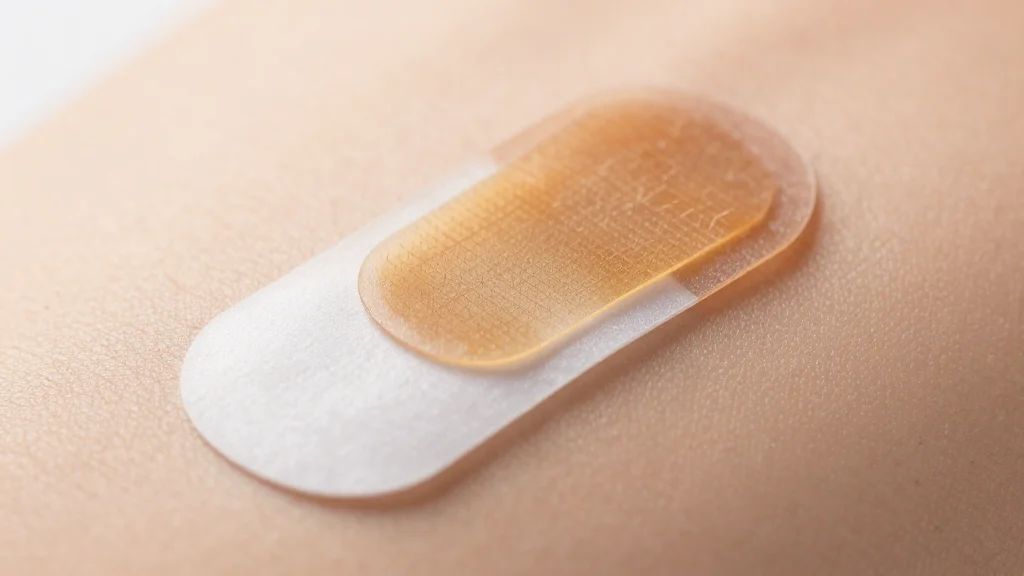
Innovative Microneedle Patches for Psoriasis Treatment: A Dual Approach With Methotrexate‐Zinc and Difelikefalin for Enhanced Therapeutic Outcomes
Why It Matters
By simultaneously addressing chronic inflammation and acute itch, the patch could reduce dependence on systemic therapies and improve adherence for millions of psoriasis patients.
Key Takeaways
- •Dual-layer microneedles deliver MTX‑Zn and difelikefalin simultaneously.
- •MTX‑Zn retains antiproliferative activity and adds antibacterial effect.
- •DFK provides rapid itch relief by targeting Schwann cell pathways.
- •In mouse model, patches reduced epidermal hyperplasia and inflammation.
- •Platform offers minimally invasive, sustained psoriasis therapy.
Pulse Analysis
Psoriasis affects roughly 125 million people worldwide, imposing a heavy clinical and economic burden. Conventional treatments range from topical steroids to systemic biologics, yet many patients struggle with persistent itch, skin thickening, and the risk of secondary infections. Topical applications often fail to penetrate the stratum corneum, while systemic drugs carry safety concerns and require frequent monitoring. Microneedle technology has emerged as a minimally invasive conduit that can bypass the outer barrier, delivering therapeutics directly to the dermis with precise dosing and reduced systemic exposure.
The new dual‑layer patch leverages a GelMA/PVA matrix to house two distinct agents: methotrexate‑zinc (MTX‑Zn) and difelikefalin (DFK). MTX‑Zn, synthesized via coordination chemistry, preserves methotrexate’s antiproliferative potency while adding zinc‑mediated antibacterial properties—critical for preventing infection in compromised skin. DFK, a selective kappa‑opioid receptor agonist, acts on peripheral nerves to suppress itch within minutes. Preclinical trials in an imiquimod‑induced psoriasis mouse model showed that the combined microneedles reduced epidermal hyperplasia, restored Th17/Th1 immune balance, and cut scratching behavior, outperforming either agent alone.
If translated to humans, this platform could reshape the psoriasis treatment landscape. Its localized delivery may lower the dosage of systemic immunosuppressants, decreasing adverse‑event risk and healthcare costs. Moreover, the patch’s ease of use aligns with patient‑centric care models, potentially improving adherence among those who find injections or daily creams cumbersome. Regulatory pathways for combination drug‑device products are becoming clearer, suggesting a feasible route to market. Continued clinical validation could position the microneedle patch as a next‑generation therapy that unites rapid symptom relief with durable disease control.
Innovative Microneedle Patches for Psoriasis Treatment: A Dual Approach With Methotrexate‐Zinc and Difelikefalin for Enhanced Therapeutic Outcomes
Comments
Want to join the conversation?
Loading comments...