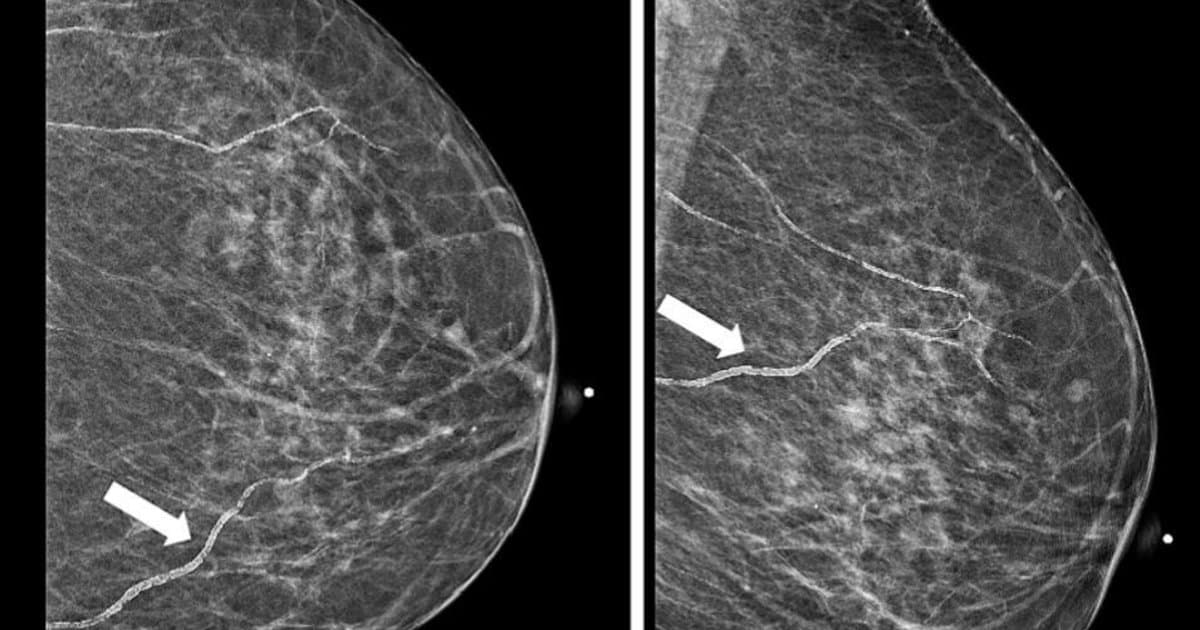
Mammography Could Identify Millions of Women in Need of Preventive Cardiology Care
Why It Matters
Identifying BAC on mammography offers a low‑cost, population‑wide cue to screen women for hidden heart disease, potentially reducing sudden cardiac death and costly cardiovascular events.
Key Takeaways
- •8% of screened women show breast arterial calcifications (BAC)
- •BAC prevalence higher in Black and Hispanic women
- •3.4 million women could be flagged for heart risk
- •Only Maryland mandates BAC reporting; other states lag
- •Early BAC detection may prevent sudden cardiac death in women
Pulse Analysis
Breast arterial calcifications (BAC) have long been an incidental finding on mammograms, but recent research underscores their value as a cardiovascular risk marker. While mammography’s primary purpose remains breast cancer detection, the dense vascular calcium visible on these images reflects systemic atherosclerotic burden. For women, whose heart disease often presents silently, BAC can serve as an early warning sign that prompts clinicians to order cardiac work‑ups before a heart attack or stroke occurs. This dual‑use approach aligns with preventive health trends that seek to maximize existing diagnostic tools.
The June 7 study analyzed more than 4,300 women without prior coronary artery disease, myocardial infarction, stroke, or heart failure and reported an 8.04% BAC prevalence. Notably, the condition was disproportionately observed in Black and Hispanic populations, suggesting underlying health disparities that merit targeted outreach. By extrapolating the 8% rate to the 43 million mammograms performed each year, researchers estimate that roughly 3.4 million women could be flagged for further cardiovascular assessment. Early identification enables lifestyle interventions, lipid‑lowering therapy, and other preventive measures that can avert major adverse cardiac events, delivering both health and economic benefits.
Policy implications are already emerging. Maryland’s legislation mandating BAC reporting sets a precedent, yet many clinicians argue the evidence base remains nascent. Wider adoption would require standardized reporting protocols, education for radiologists and primary‑care providers, and clear referral pathways to cardiology. Integrating BAC alerts into electronic health records could streamline this process, turning a routine breast cancer screen into a powerful tool for women’s heart health. As the evidence grows, insurers and health systems may increasingly recognize BAC screening as a cost‑effective component of comprehensive preventive care.
Mammography could identify millions of women in need of preventive cardiology care
Comments
Want to join the conversation?
Loading comments...