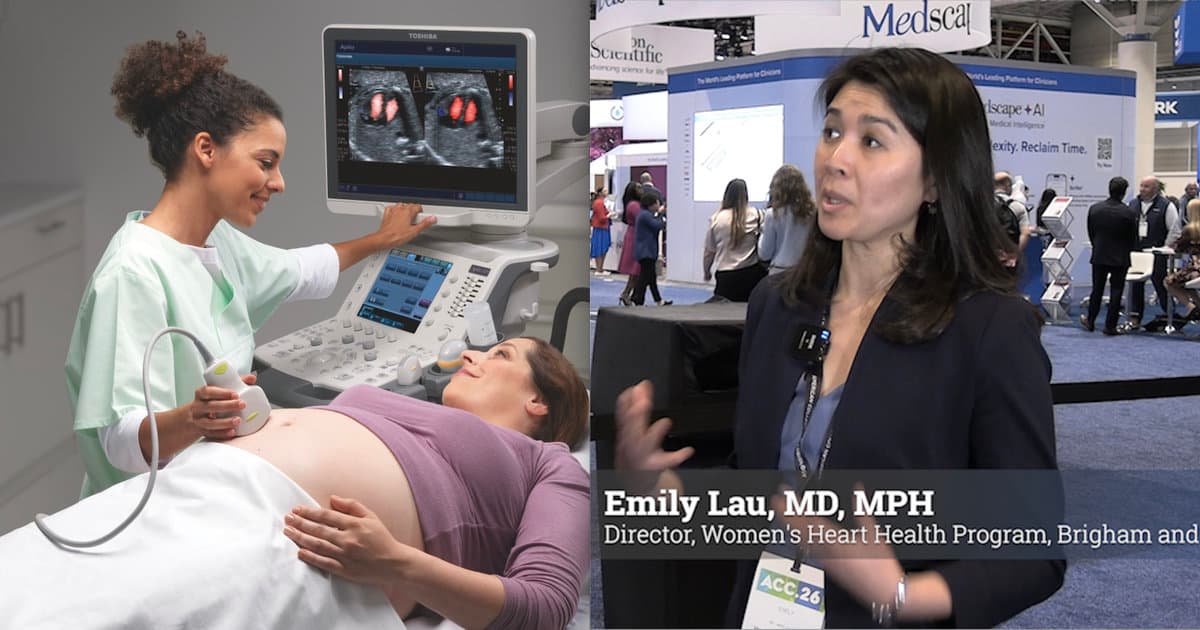
Many High-Risk Pregnant Patients Still Miss Out on Guideline-Recommended Care
Companies Mentioned
Why It Matters
Low‑dose aspirin is a cheap, proven intervention that can cut maternal morbidity and future heart disease, yet most eligible women miss it, highlighting a systemic failure to translate evidence into practice.
Key Takeaways
- •Only 24% of high‑risk pregnancies received aspirin by 2023.
- •Aspirin prophylaxis reduces preeclampsia, a leading cause of maternal mortality.
- •Inconsistent risk identification hampers guideline adherence in busy clinics.
- •Cardio‑obstetrics teams can improve preventive care continuity post‑delivery.
- •Preeclampsia predicts later cardiovascular disease, influencing long‑term risk assessment.
Pulse Analysis
Preeclampsia, affecting roughly 8% of pregnancies, has moved from a short‑term obstetric concern to a red flag for future cardiovascular disease. The U.S. Preventive Services Task Force and ACOG have long endorsed low‑dose aspirin for women identified as high‑risk, citing robust evidence that it reduces the incidence of the condition. Yet the latest analysis of over 60,000 records shows that by 2023, just 24% of eligible patients received the therapy, underscoring a stark implementation gap that threatens both maternal and long‑term heart health.
Several systemic barriers explain the shortfall. Clinicians often struggle to flag high‑risk patients amid busy prenatal visits, especially when risk factors like autoimmune or renal disease are not immediately apparent. Electronic health‑record alerts and standardized risk‑assessment tools remain underutilized, leading to missed prophylaxis opportunities. Moreover, the transition from obstetric to primary care after delivery creates a continuity break, leaving women vulnerable to unmanaged cardiovascular risk. Addressing these workflow inefficiencies requires targeted education, integrated care pathways, and real‑time decision support within clinics.
The implications extend beyond obstetrics. Recognizing preeclampsia as a cardiovascular risk enhancer has prompted its inclusion in broader heart disease guidelines, positioning aspirin adherence as a preventive measure for lifelong health. Expanding cardio‑obstetrics programs—where cardiologists, obstetricians, and primary‑care physicians collaborate—offers a promising model to ensure consistent risk identification and treatment. Policymakers and health systems that invest in such interdisciplinary frameworks can improve maternal outcomes today while curbing the downstream burden of cardiovascular disease in women.
Many high-risk pregnant patients still miss out on guideline-recommended care
Comments
Want to join the conversation?
Loading comments...