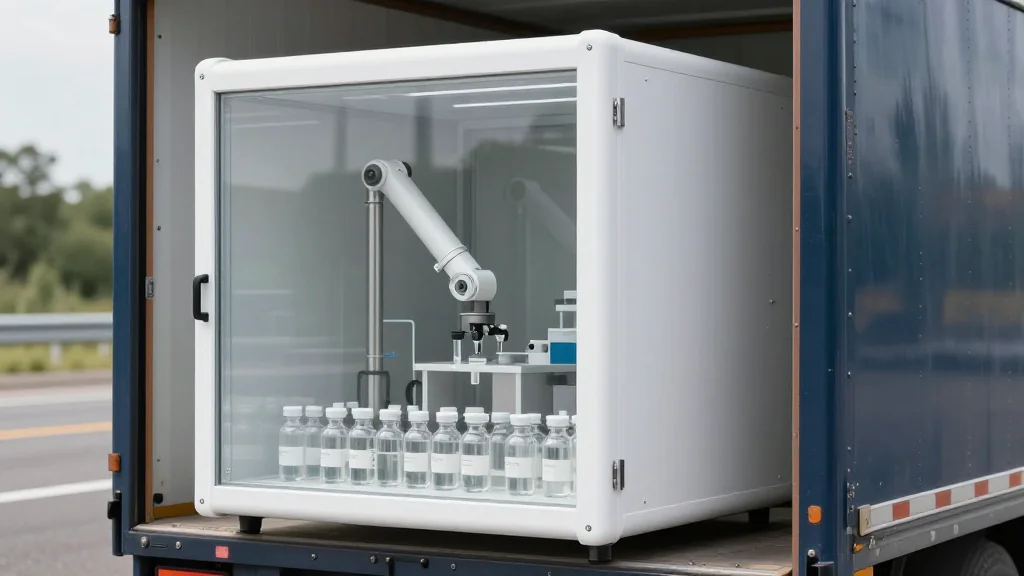
Mark Cuban Wants to Bring Drug Manufacturing to Hospitals’ Doorsteps — Literally
Companies Mentioned
Why It Matters
On‑site manufacturing cuts drug costs and shortens lead times, directly addressing chronic hospital supply shortages and boosting financial performance. The model also challenges traditional group‑ purchasing organizations, reshaping the pharmacy procurement landscape.
Key Takeaways
- •Cost Plus pods fit in tractor‑trailer, enabling on‑site drug production
- •Epinephrine, norepinephrine, Pitocin, pediatric cancer meds now manufactured in Dallas
- •Rare‑disease therapy cost drops from $500k to about $50k
- •Community Health Systems saved millions via 10‑12% markup marketplace
- •Procurement resistance remains biggest hurdle to broader hospital adoption
Pulse Analysis
The U.S. healthcare system has grappled with drug shortages for years, prompting hospitals to seek more reliable supply chains. Mark Cuban’s Cost Plus Drugs tackles this problem by miniaturizing a pharmaceutical plant into a mobile pod that can be stationed in a hospital parking lot or disaster zone. Leveraging robotics and AI, the pods can produce sterile injectables such as epinephrine and norepinephrine, as well as complex biologics, reducing dependence on distant manufacturers and foreign imports.
Financially, the pods promise dramatic cost reductions. Rare‑disease treatments that historically cost upwards of $500,000 per patient can now be produced for roughly $50,000, a ten‑fold saving. The Cost Plus Drugs Marketplace further amplifies savings by buying drugs wholesale and adding a modest 10‑12% markup before selling to health systems. Early adopters like Community Health Systems and MultiCare Health System have reported multi‑million‑dollar savings within months, demonstrating the model’s scalability and immediate impact on hospital bottom lines.
Despite the clear economics, adoption faces cultural and procedural barriers. Hospital procurement teams are accustomed to working with group‑purchasing organizations that take a 3% fee, and shifting to a direct‑purchase model requires renegotiating contracts and overcoming entrenched relationships. Regulatory scrutiny and the need for FDA approval of mobile manufacturing units add another layer of complexity. However, as AI‑driven automation improves efficiency and the industry seeks resilience against future supply shocks, Cuban’s modular pods could become a cornerstone of a more decentralized, cost‑effective pharmaceutical ecosystem.
Mark Cuban wants to bring drug manufacturing to hospitals’ doorsteps — literally
Comments
Want to join the conversation?
Loading comments...