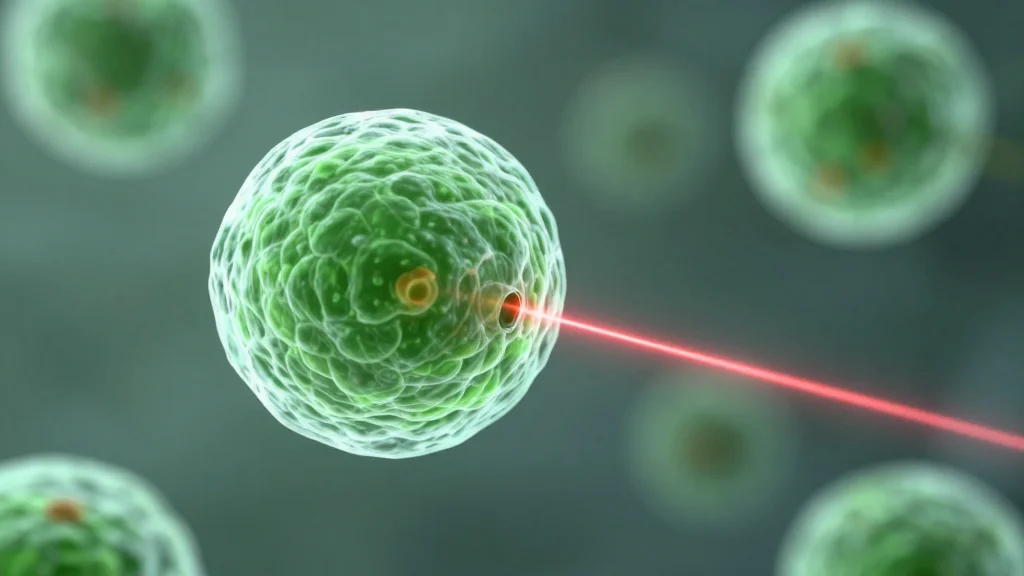
Mitochondria‐Targeted Zwitterionic Nanogels Trigger Photopyroptosis for Enhanced Cancer Therapy
Why It Matters
The platform provides subcellular precision for photodynamic therapy, potentially overcoming resistance and side‑effects that limit current cancer treatments. Its high efficacy and safety profile could accelerate adoption of next‑generation, light‑activated oncology therapeutics.
Key Takeaways
- •PODMMA nanogels achieve mitochondrial targeting without extra ligands
- •pH‑responsive charge conversion prolongs circulation and enhances tumor uptake
- •Loaded temoporfin triggers ROS‑mediated photopyroptosis under 640 nm light
- •In vivo studies show 99.3% tumor inhibition with minimal toxicity
- •Strategy enables subcellular precision for next‑gen cancer phototherapy
Pulse Analysis
Mitochondrial targeting has long been a holy grail for nanomedicine, yet most delivery systems rely on surface ligands that add complexity and can trigger immune clearance. The newly reported PODMMA nanogels sidestep these hurdles by exploiting an N‑oxide zwitterionic architecture that flips charge in acidic tumor microenvironments. This intrinsic behavior extends bloodstream residence, improves transcytosis across endothelial barriers, and drives preferential accumulation within the organelle’s membrane, setting a new benchmark for subcellular drug delivery.
Photodynamic therapy (PDT) traditionally suffers from limited spatial control, often damaging healthy tissue surrounding a tumor. By loading temoporfin—a potent photosensitizer—into the mitochondria‑directed nanogels, researchers achieve a concentrated ROS burst precisely where apoptosis pathways converge. The resulting activation of caspase‑3 and gasdermin E initiates photopyroptosis, a form of programmed cell death that combines features of apoptosis and pyroptosis, delivering a more robust anti‑cancer response than conventional PDT alone. This mechanistic synergy not only boosts tumor cell eradication but also reduces the required light dose, mitigating collateral thermal effects.
The preclinical data are striking: a single treatment regimen delivered 99.3% tumor growth inhibition in murine models while sparing major organs, indicating a favorable safety margin. Such outcomes suggest the technology could translate into fewer treatment cycles and lower overall healthcare costs for patients with solid tumors. Moreover, the platform’s modular chemistry allows swapping of photosensitizers or therapeutic cargos, opening avenues for personalized oncology regimens. As the oncology market seeks therapies that combine efficacy with precision, mitochondrial‑targeted photopyroptosis may soon become a cornerstone of next‑generation, minimally invasive cancer care.
Mitochondria‐Targeted Zwitterionic Nanogels Trigger Photopyroptosis for Enhanced Cancer Therapy
Comments
Want to join the conversation?
Loading comments...