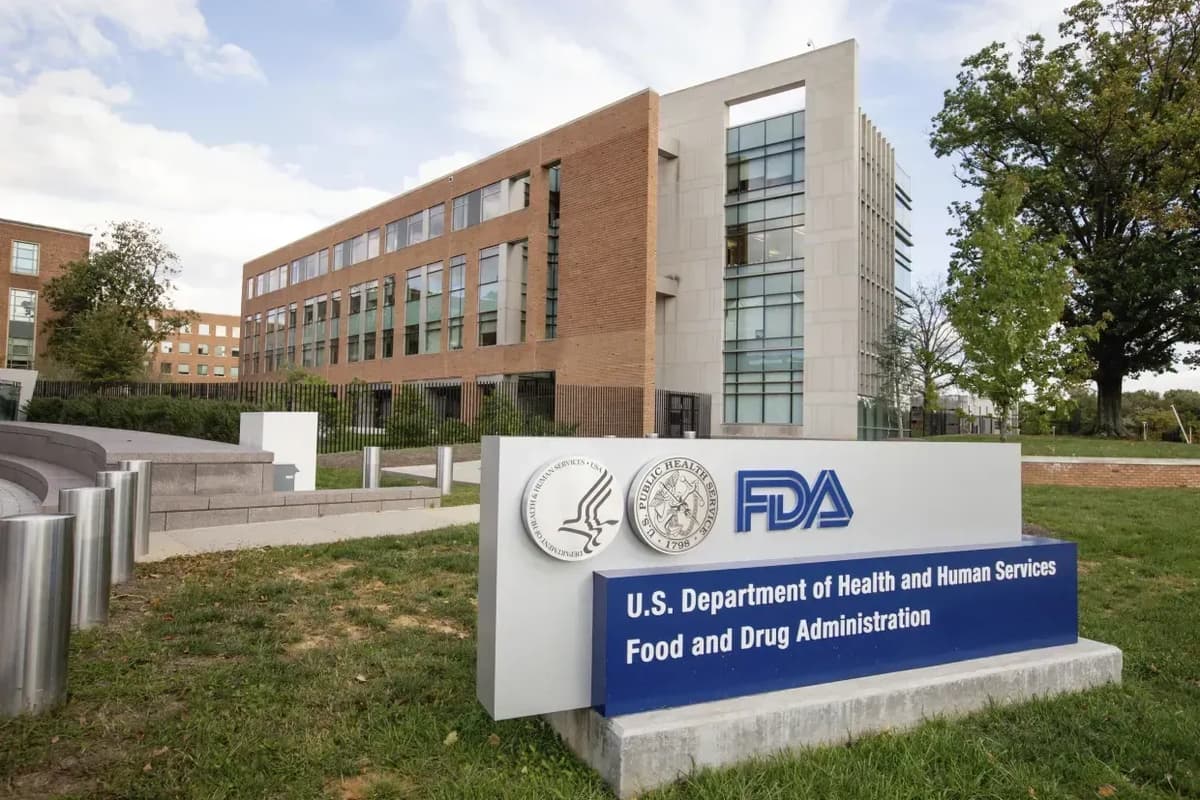
NACDS Submits Comments to FDA on Expanding Access to Nonprescription Drugs
Why It Matters
Expanding OTC access can reshape the U.S. drug market, boosting patient convenience while demanding aligned reimbursement and regulatory frameworks to protect affordability. Without coordinated policies, the shift could create gaps in coverage and operational strain for pharmacies.
Key Takeaways
- •NACDS backs FDA’s push to move more drugs to OTC status
- •Insurance coverage flagged as critical for affordable OTC access
- •Pharmacist reimbursement and workflow updates needed for seamless transitions
- •Uniform federal policies urged to prevent state-level access gaps
Pulse Analysis
The FDA’s recent request for comments on increasing access to nonprescription drugs reflects a broader industry trend of converting prescription‑only therapies to over‑the‑counter status. This shift promises to lower barriers for consumers, especially for chronic‑care and preventive medications, by leveraging the extensive footprint of neighborhood pharmacies. Analysts predict that a steady pipeline of OTC conversions could add billions to the retail drug market, while also prompting manufacturers to redesign packaging and labeling for self‑selection.
NACDS’s response underscores the critical role of insurance and pharmacist services in making the OTC expansion viable. The association warns that without payer coverage, higher‑priced new OTC products could impose out‑of‑pocket costs that deter use. Moreover, pharmacists must be reimbursed for clinical counseling, screening, and eligibility verification—functions traditionally tied to prescription dispensing. Aligning reimbursement models with these expanded responsibilities will be essential to maintain patient safety and to capture the full health‑system savings that OTC availability can deliver.
For retailers, the move presents both opportunity and operational challenge. Streamlined, standardized processes for verifying eligibility and handling insurance claims will be needed to avoid bottlenecks at the point of sale. Consistent federal guidance can prevent a patchwork of state regulations that currently threatens uniform access. As the FDA finalizes pathways for new OTC categories, stakeholders who proactively adapt their workflows, technology, and payer contracts will be best positioned to capture market share and improve community health outcomes.
NACDS submits comments to FDA on expanding access to nonprescription drugs
Comments
Want to join the conversation?
Loading comments...