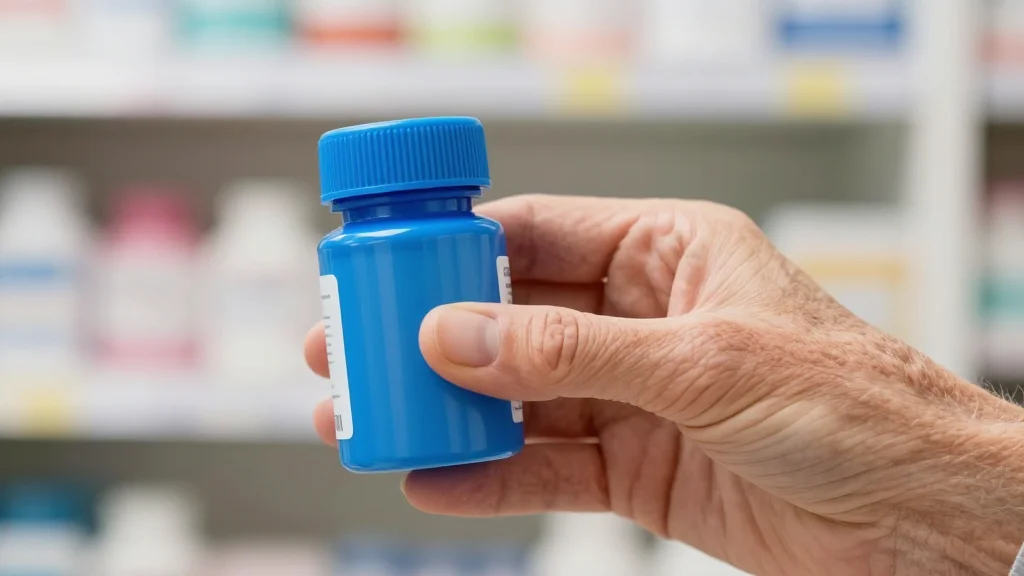
Our Aging Population Is Forcing a Rethink of How We Design & Package Medicines
Companies Mentioned
Why It Matters
The aging demographic drives higher drug utilization, so packaging that hinders seniors directly threatens adherence and revenue. Aligning formulation with senior‑friendly packaging accelerates approvals and maximizes product value.
Key Takeaways
- •Seniors 65+ will double to 12.2% of world by 2050.
- •89% of U.S. seniors take at least one prescription.
- •Child‑resistant packaging raises compliance hurdles for elderly users.
- •Early CRSF design cuts FDA delays and improves adherence.
Pulse Analysis
The global shift toward an older demographic is reshaping every segment of healthcare, and biopharma is no exception. By 2050, people aged 70 or older will comprise 12.2 % of the world’s population, up from 6.4 % in 2022, while U.S. seniors already consume the highest volume of prescription drugs—nearly nine in ten take at least one medication. This surge in polypharmacy creates a pressing need for drug delivery systems that accommodate reduced dexterity, visual acuity, and cognitive load, turning packaging from a peripheral concern into a core commercial differentiator.
Since the 1970 s Poison Prevention Packaging Act mandated child‑resistant closures, manufacturers have wrestled with a paradox: safety for children versus accessibility for older adults. The industry response has been the emergence of child‑resistant, senior‑friendly (CRSF) designs that blend force‑based mechanisms with ergonomic features such as easy‑open blister packs, pop‑top jars, and adaptive zippers. Regulatory bodies codify these expectations through 16 CFR 1700.20 in the United States and EN 14375 in Europe, requiring at least 85 % child failure and 90 % senior success in usability tests. Failure to meet these benchmarks can stall a New Drug Application, adding costly delays.
Forward‑looking companies are embedding CRSF considerations at the earliest formulation stage, rather than treating packaging as an afterthought. By assembling cross‑functional teams—formulation scientists, packaging engineers, human‑factors experts, and pharmacists—organizations can conduct risk assessments, define testing specifications, and iterate designs before clinical trials begin. The payoff is twofold: smoother FDA submissions and higher real‑world adherence, which translates into stronger market access and premium pricing potential. In a market where senior patients represent a fast‑growing revenue stream, senior‑centric packaging is quickly becoming a competitive imperative rather than a nice‑to‑have.
Our Aging Population is Forcing a Rethink of How We Design & Package Medicines
Comments
Want to join the conversation?
Loading comments...