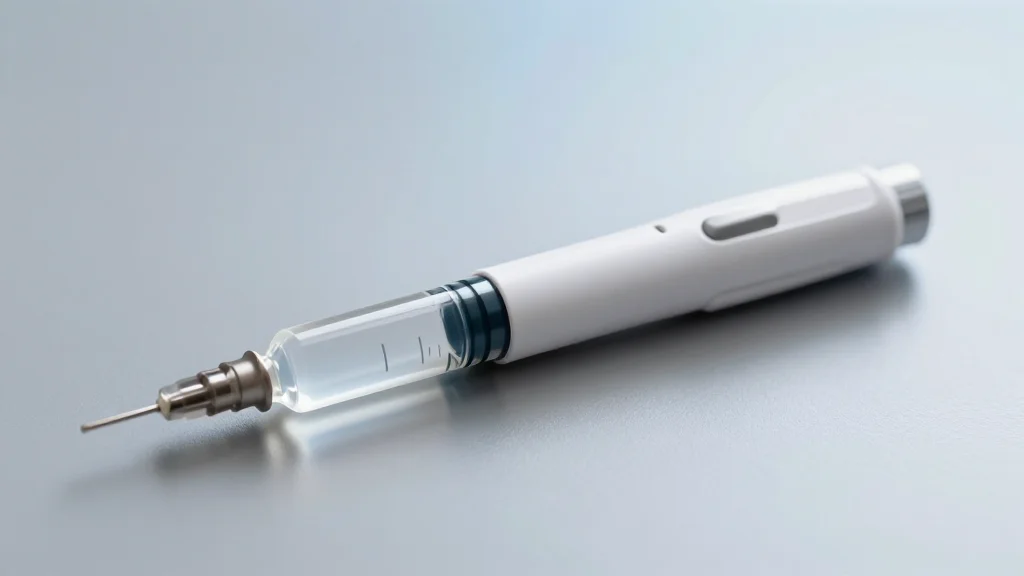
Pfizer and Amgen Push Monthly GLP‑1 Shots to Boost Obesity Treatment Adherence

Why It Matters
Monthly GLP‑1 injections could dramatically improve adherence, a known hurdle in chronic obesity therapy. Better adherence translates into higher real‑world efficacy, which could lower healthcare costs associated with obesity‑related comorbidities such as type 2 diabetes, cardiovascular disease, and certain cancers. The development also signals a broader industry shift toward patient‑centric delivery formats, potentially spurring further innovation in drug‑delivery technologies. Beyond patient outcomes, the success of these candidates would intensify competition among the few firms that dominate the GLP‑1 space, pressuring pricing and accelerating the pipeline of next‑generation obesity treatments. Investors and insurers will be watching closely as the market potential for a once‑monthly product could dwarf that of weekly injectables.
Key Takeaways
- •Pfizer’s berobenatide showed 12.3% average weight loss after 28 weeks in a mid‑stage trial.
- •Amgen’s MariTide, an antibody‑based GLP‑1/GIP blocker, previously achieved up to 20% weight loss in a 52‑week study.
- •Both drugs aim to reduce injection frequency from 52 to 12 per year, addressing adherence challenges.
- •Experts cite fewer injections as a key driver of patient acceptance and long‑term treatment success.
- •Final trial data expected later in 2026; regulatory review will focus on safety and cardiovascular outcomes.
Pulse Analysis
The push for monthly GLP‑1 dosing reflects a maturation of the obesity‑treatment market. Early weekly injectables proved clinical efficacy but stumbled on adherence, limiting market penetration. By engineering molecules that linger longer in circulation—whether through albumin binding or antibody‑mediated receptor modulation—Pfizer and Amgen are betting that convenience will unlock a larger patient pool. Historically, drug‑delivery innovations (e.g., once‑daily inhalers for asthma) have expanded market share by lowering the friction of daily use; the same logic applies here.
From a competitive standpoint, the two approaches are deliberately divergent. Pfizer’s strategy leans on a pharmacokinetic tweak that preserves the classic GLP‑1 agonist signaling while dampening side effects. Amgen, by contrast, adds a GIP‑blocking component, a move that could differentiate its product if clinical data confirm additive weight‑loss benefits. This differentiation may prevent a head‑to‑head price war and give each company a niche within the broader obesity market.
Looking ahead, the real test will be post‑approval real‑world adherence data. If monthly dosing delivers the promised adherence boost, insurers may favor these products, potentially reshaping formulary placements. Conversely, any safety signals—especially related to gastrointestinal tolerance during the weekly‑to‑monthly transition—could stall momentum. Investors should monitor the upcoming Phase 3 read‑outs and FDA advisory committee meetings, as they will set the tone for the next wave of obesity‑drug investments.
Pfizer and Amgen Push Monthly GLP‑1 Shots to Boost Obesity Treatment Adherence
Comments
Want to join the conversation?
Loading comments...