Procept Secures FDA IDE for Aquablation and Completes WATER IV Study Enrolment
Companies Mentioned
Why It Matters
The trials could validate Aquablation as an early, minimally invasive alternative to surgery, potentially shifting treatment standards for low‑risk prostate cancer and expanding Procept's market foothold.
Key Takeaways
- •FDA granted second IDE for Aquablation therapy.
- •WATER IV trial completed enrollment of 280 patients.
- •WATER IV AS will enroll up to 333 men on active surveillance.
- •Ten‑year follow‑up will assess disease control and quality of life.
- •Results slated for 2027 could reshape prostate cancer treatment.
Pulse Analysis
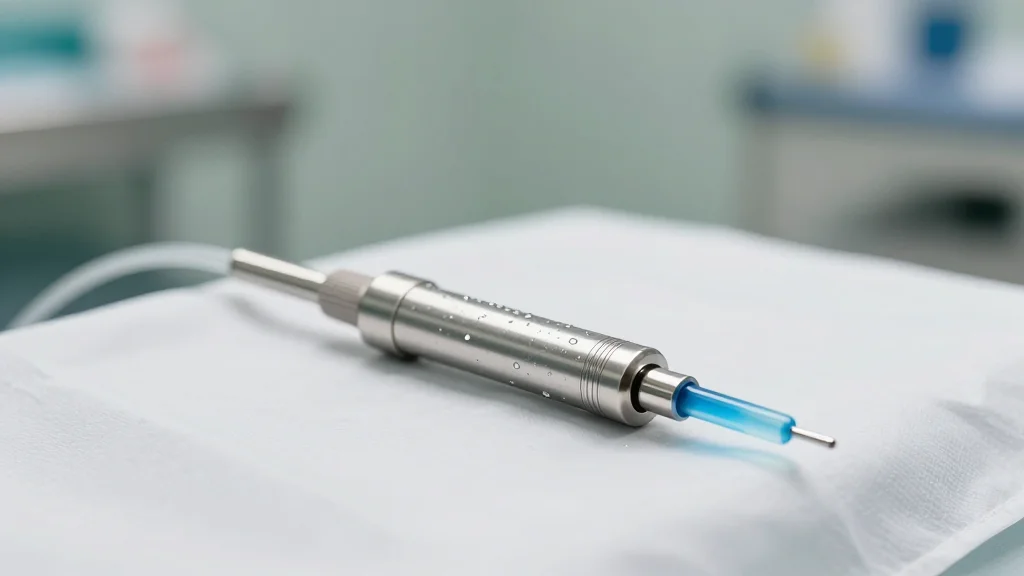
Aquablation therapy, which uses a high‑velocity water‑jet to precisely ablate prostate tissue, has emerged as a promising minimally invasive option for benign prostatic hyperplasia and now for early‑stage prostate cancer. The technology’s precision reduces collateral damage, preserving urinary and sexual function better than traditional radical prostatectomy. Procept’s recent FDA clearance of the Hydros Robotic System in August 2024 paves the way for broader adoption, positioning the company at the forefront of next‑generation urologic interventions.
The ongoing WATER IV study, now fully enrolled with 280 participants, is designed to compare Aquablation against radical prostatectomy, focusing on long‑term oncologic outcomes and functional recovery. Parallel to this, the newly approved WATER IV AS trial will recruit up to 333 men currently managed with active surveillance, aiming to determine whether early Aquablation can safely intervene before disease progression. Both trials feature rigorous endpoints, including one‑year biopsies and three‑year MRI assessments, with a decade‑long follow‑up to capture durability of disease control and quality‑of‑life metrics.
If the 2027 primary‑endpoint results demonstrate comparable cancer control with superior functional outcomes, Aquablation could disrupt the prostate‑cancer treatment paradigm, offering a less invasive bridge between surveillance and surgery. Such evidence would likely accelerate payer coverage, attract urologist adoption, and increase Procept’s competitive edge against emerging focal therapies. Investors and clinicians alike will watch the data closely, as it may reshape clinical guidelines and expand the market for water‑jet‑based oncologic procedures.
Procept secures FDA IDE for Aquablation and completes WATER IV study enrolment
Comments
Want to join the conversation?
Loading comments...