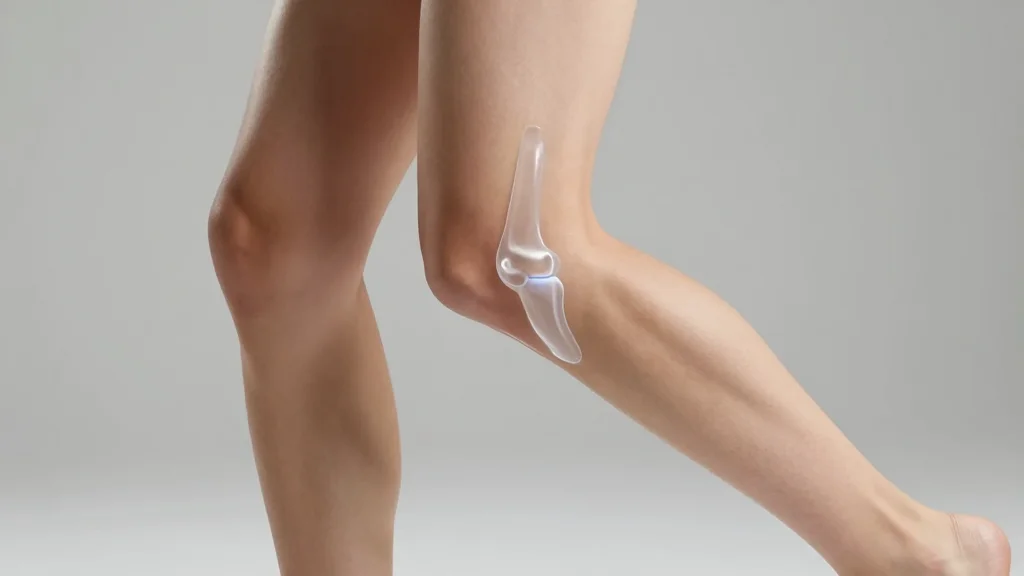
Re: England Athletics Promotion of Medical Knee Procedure to Runners on Eve of London Marathon Is Condemned by Experts
Why It Matters
The endorsement of an unproven knee implant by a major sports organization exposes athletes to unknown health risks and highlights gaps in regulatory oversight for medical devices in sports medicine.
Key Takeaways
- •Arthrosamid classified as Class IIb implantable device, not a drug.
- •CE mark permits manufacturer self‑certification, bypassing rigorous drug trials.
- •UK clinical trial approved by NHS HRA still lacks published results.
- •England Athletics advertised Arthrosamid to marathon runners on event eve.
- •Medical experts warn untested knee injections could endanger athletes.
Pulse Analysis
The controversy stems from England Athletics’ decision to market Arthrosamid—a CE‑marked, Class IIb implantable device—as a quick fix for knee pain among marathon participants. Unlike pharmaceuticals, the device sidesteps the extensive pre‑market testing required for drugs, relying instead on a self‑certification process that confirms basic safety but not clinical efficacy. With the only UK‑approved trial still pending results, athletes are being urged to adopt a treatment whose benefits and risks remain largely undocumented.
Regulatory bodies in Europe allow medical devices to enter the market after a conformity assessment, but the burden of proof for long‑term outcomes often falls short of that demanded for medicines. Critics argue that this loophole can be exploited in high‑visibility sports settings, where the pressure to perform may outweigh caution. The medical community, including retired general practitioners, warns that injecting an untested device into a joint could lead to complications such as infection, inflammation, or accelerated cartilage degradation, jeopardizing both short‑term performance and long‑term joint health.
Beyond the immediate health concerns, the episode raises broader questions about the responsibility of sports governing bodies to vet medical products before endorsement. As the market for minimally invasive orthopedic solutions expands, transparent data and independent peer‑reviewed studies become essential to maintain athlete trust and public confidence. Stakeholders—from regulators to coaches—must prioritize evidence‑based recommendations to ensure that performance gains do not come at the expense of safety.
Re: England Athletics promotion of medical knee procedure to runners on eve of London Marathon is condemned by experts
Comments
Want to join the conversation?
Loading comments...