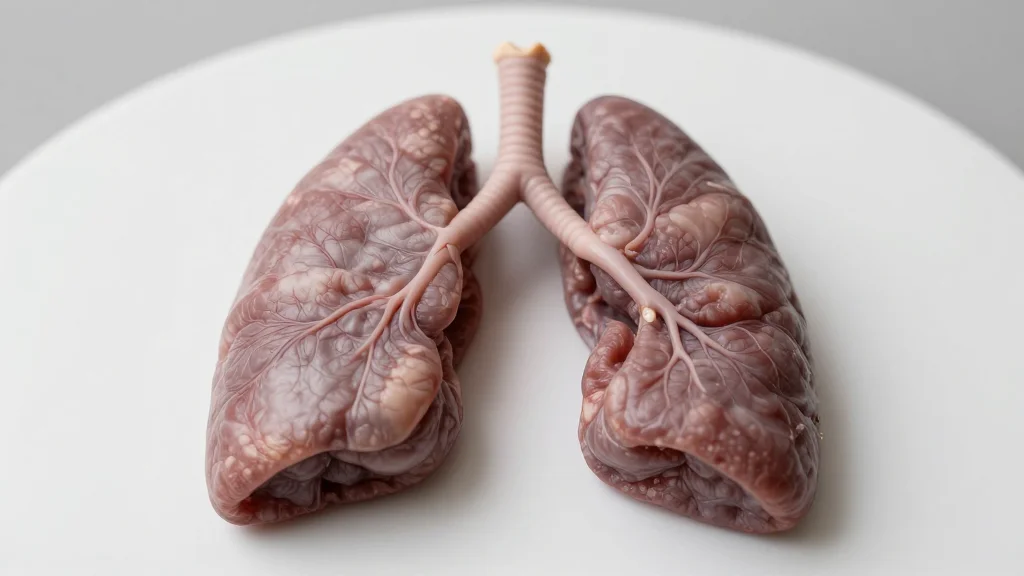
Rethinking Idiopathic Pulmonary Fibrosis: Unmet Needs, Evolving Biology and the Future of Clinical Research
Key Takeaways
- •Early diagnosis remains major unmet need
- •AI imaging tools promise earlier detection
- •IPF recognized as heterogeneous systemic disease
- •Trials now include broader fibrosing ILDs and patient input
- •Shift toward patient-centric endpoints beyond FVC
Pulse Analysis
The diagnostic bottleneck in idiopathic pulmonary fibrosis stems from subtle early symptoms that mimic common respiratory ailments, leading to delayed referrals and irreversible lung damage. High‑resolution CT remains the gold standard, yet radiologists often miss early fibrotic patterns. Emerging artificial‑intelligence algorithms can parse imaging data at a granular level, flagging incipient scarring that would otherwise escape detection. By moving diagnosis upstream, clinicians can initiate antifibrotic therapy sooner, potentially slowing disease progression before significant functional loss occurs.
Beyond the lungs, IPF is increasingly understood as a systemic, heterogeneous condition that overlaps with other progressive pulmonary fibroses linked to autoimmune and vascular disorders. This broader biological perspective has prompted drug developers to pursue multi‑mechanistic agents that address inflammation, immune dysregulation, and vascular remodeling alongside fibrosis. Recognizing these pathways reshapes therapeutic pipelines, encouraging combination strategies and biomarker‑driven patient stratification. As regulatory bodies acknowledge the spectrum of fibrosing interstitial lung diseases, the therapeutic landscape expands beyond a single‑pathway focus, offering hope for patients previously excluded from trials.
Clinical research in IPF is undergoing a paradigm shift toward patient‑centric designs. Incorporating advocacy group feedback refines consent forms, reduces procedural burdens, and aligns trial endpoints with outcomes that matter to patients, such as hospitalization rates and quality‑of‑life metrics. Wearable sensors and remote monitoring deliver objective symptom data, complementing traditional forced vital capacity measures. Meanwhile, broader inclusion criteria now capture a range of fibrosing diseases, enhancing trial relevance and regulatory acceptance. Together, these innovations promise more efficient studies, faster drug approvals, and ultimately, a tangible improvement in survival and daily functioning for those living with this devastating disease.
Rethinking Idiopathic Pulmonary Fibrosis: Unmet Needs, Evolving Biology and the Future of Clinical Research
Comments
Want to join the conversation?