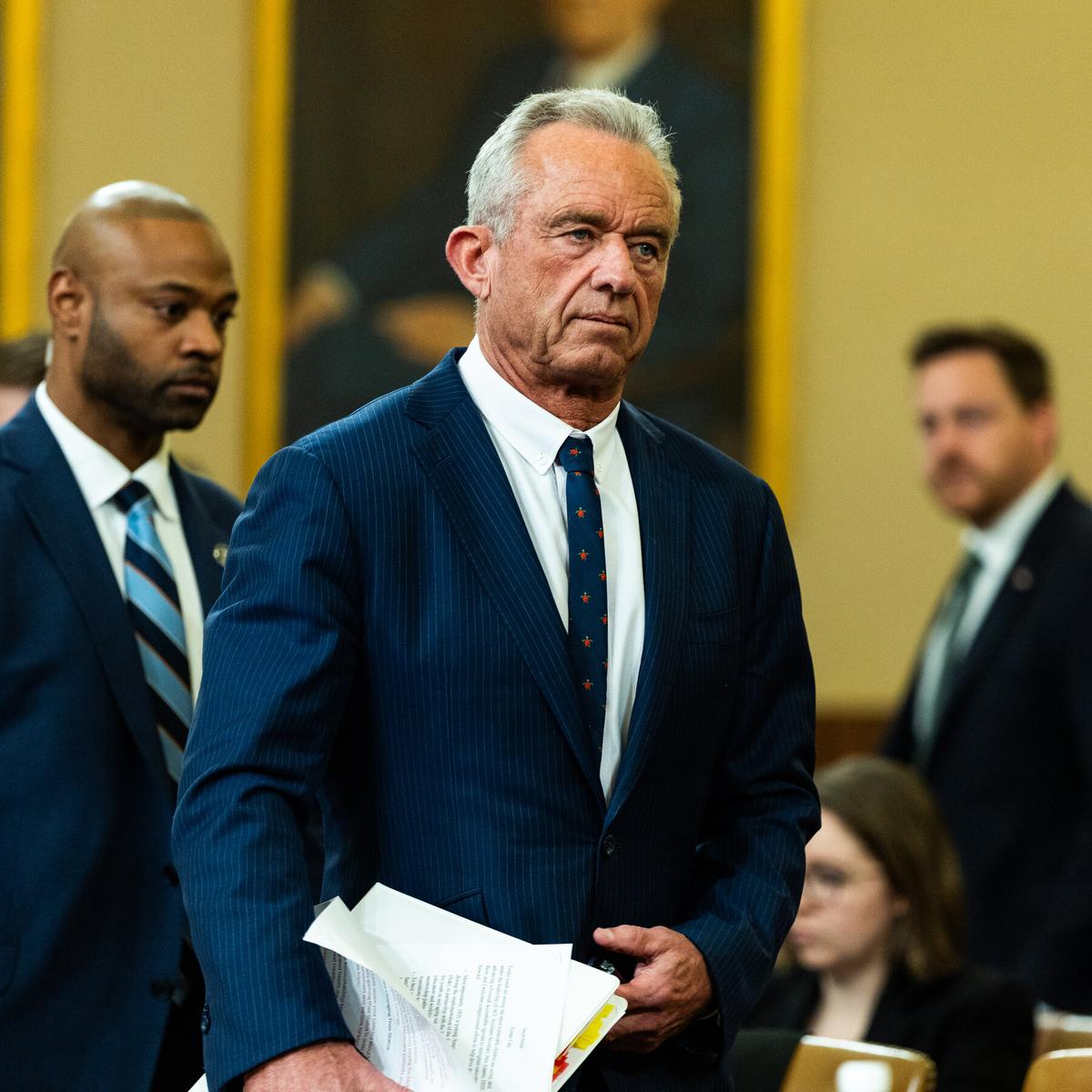
RFK Jr. To Reform Health Panel That Determines Which Screenings Insurers Cover
Why It Matters
Reforming the USPSTF could reshape evidence standards that dictate which preventive services insurers must cover, directly affecting patient out‑of‑pocket costs and payer expense structures. The move signals heightened political influence over a key conduit between clinical research and health‑care financing.
Key Takeaways
- •Kennedy vows to overhaul USPSTF, citing two decades of negligence
- •Task force recommendations affect coverage for colonoscopies, mammograms, mental health screens
- •Five of 16 members' terms expired in December; replacements pending
- •USPSTF meetings halted, delaying preventive service guidance and annual congressional report
- •Potential new appointments could shift evidence standards for insurer coverage
Pulse Analysis
The United States Preventive Services Task Force (USPSTF) sits at the crossroads of clinical evidence and insurance reimbursement. Its independent panel reviews thousands of studies each year and issues grade‑A to -D recommendations that dictate whether Medicare, Medicaid and private insurers must cover screenings such as colonoscopies, mammograms, and depression tests at no cost to patients. Because the USPSTF’s grades are embedded in the Affordable Care Act, any shift in its composition can reverberate through the entire preventive‑care market, influencing both provider practice patterns and payer cost structures.
Secretary Kennedy’s criticism that the panel has been “lackadaisical and negligent” for two decades signals a desire to tighten the evidentiary bar for coverage decisions. By appointing members with a “clear mission,” the administration could prioritize newer technologies, emphasize cost‑effectiveness, or align recommendations with broader health‑policy goals such as reducing health‑care spending. For insurers, a revamped USPSTF could mean faster adoption of innovative tests, but also heightened uncertainty as grading criteria shift. Patients may see expanded coverage for emerging diagnostics, yet risk facing more frequent changes to what services are deemed essential.
The push to reshape the USPSTF reflects a wider trend of politicizing preventive health guidelines. While increased oversight may improve transparency, it also raises concerns about scientific independence and the potential for policy to outpace evidence. Stakeholders—health systems, insurers, and advocacy groups—should monitor nomination processes and prepare for possible revisions to coverage policies. Engaging early with the task force, investing in robust real‑world data, and aligning internal formularies with evolving recommendations will help mitigate disruption and preserve patient access to proven preventive services.
RFK Jr. to Reform Health Panel That Determines Which Screenings Insurers Cover
Comments
Want to join the conversation?
Loading comments...