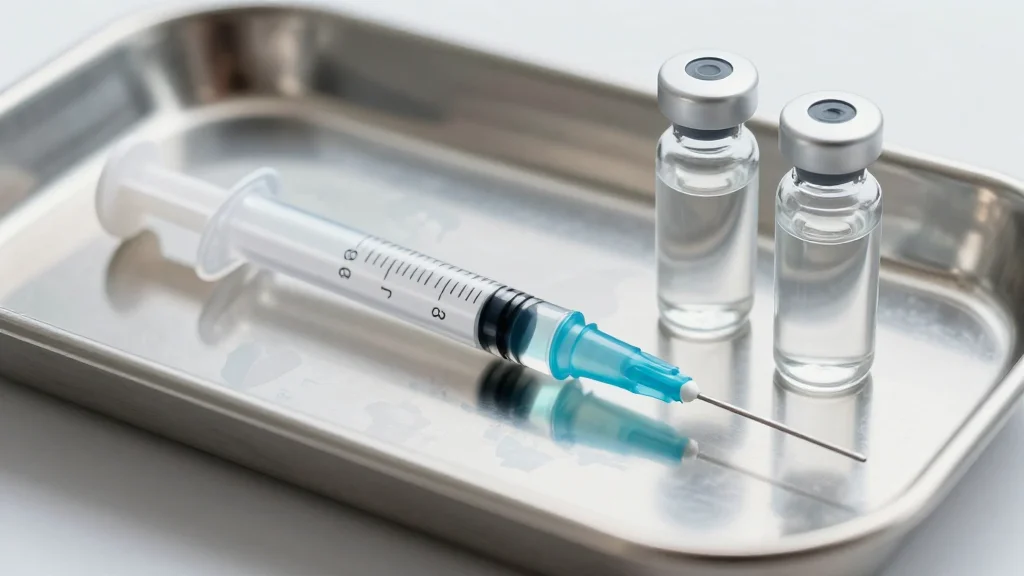
Rollout of Powerful New HIV Prevention Tool in Lower Income Countries Gets a Boost
Why It Matters
By delivering a discreet, six‑month injectable PrEP at no profit, the initiative could dramatically lower new HIV infections in resource‑constrained settings and accelerate progress toward ending the AIDS epidemic.
Key Takeaways
- •Global Fund to provide lenacapavir to 3 million people over three years.
- •Commitment up 50% from earlier 2 million target.
- •Gilead supplies drug at zero profit, enabling generics for 120 low‑income nations.
- •Rollout expands to 15 new countries, including Thailand and Ukraine.
- •Activists criticize exclusion of middle‑income nations and limited risk‑group focus.
Pulse Analysis
The global fight against HIV has entered a new phase with the introduction of lenacapavir, a long‑acting capsid inhibitor that can prevent infection for six months after a single injection. Clinical trials reported almost complete protection, earning the drug Science’s 2024 Breakthrough of the Year award and fast‑track regulatory approvals, including FDA clearance in June 2025. Unlike daily oral PrEP, the injectable format reduces adherence challenges and stigma, offering a discreet solution for people at risk. As the world seeks to close the gap left by the plateau of new infections, lenacapavir presents a potent tool to accelerate the decline.
The U.S. State Department and the Global Fund have committed to supplying the drug to 3 million individuals across low‑income nations by 2029, a 50 % boost over the original 2 million target announced in 2024. Gilead’s decision to sell lenacapavir to the Global Fund at zero profit and to license six generic manufacturers for 120 poorest countries is unprecedented in the pharmaceutical arena. The rollout will expand from nine to 24 countries, adding Thailand, Indonesia, Honduras, Georgia, the Philippines and Ukraine. However, activists criticize the exclusion of middle‑income markets such as Brazil and argue that the program’s focus on pregnant and breastfeeding populations overlooks other high‑risk groups.
If generics come online by mid‑2027, lenacapavir could become more cost‑effective than daily oral PrEP, reshaping procurement strategies for donors and national health systems. Lower logistics costs, reduced need for frequent clinic visits, and the potential for broader coverage make the injectable attractive for cash‑strapped programs. A successful scale‑up could help drive the global HIV incidence, which has stalled at roughly 1.3 million new cases per year, further down from the 40 % decline achieved since 2010. Stakeholders will be watching closely to see whether this partnership can translate scientific promise into measurable public‑health impact.
Rollout of powerful new HIV prevention tool in lower income countries gets a boost
Comments
Want to join the conversation?
Loading comments...