Scientists Found a Chemical That Could Help Regrow Your Hair. It Might Be In Your Pantry.
Why It Matters
The breakthrough could make topical minoxidil more effective and faster‑acting, reshaping a multibillion‑dollar hair‑care market. Successful human trials would give consumers a more reliable, non‑invasive option for pattern baldness.
Key Takeaways
- •Stevioside acts as a solubilizing agent for minoxidil
- •Dissolving microneedle patch boosts drug penetration into scalp
- •Mouse trials showed 67% regrowth versus 25% control
- •Human trials required before commercial rollout
Pulse Analysis
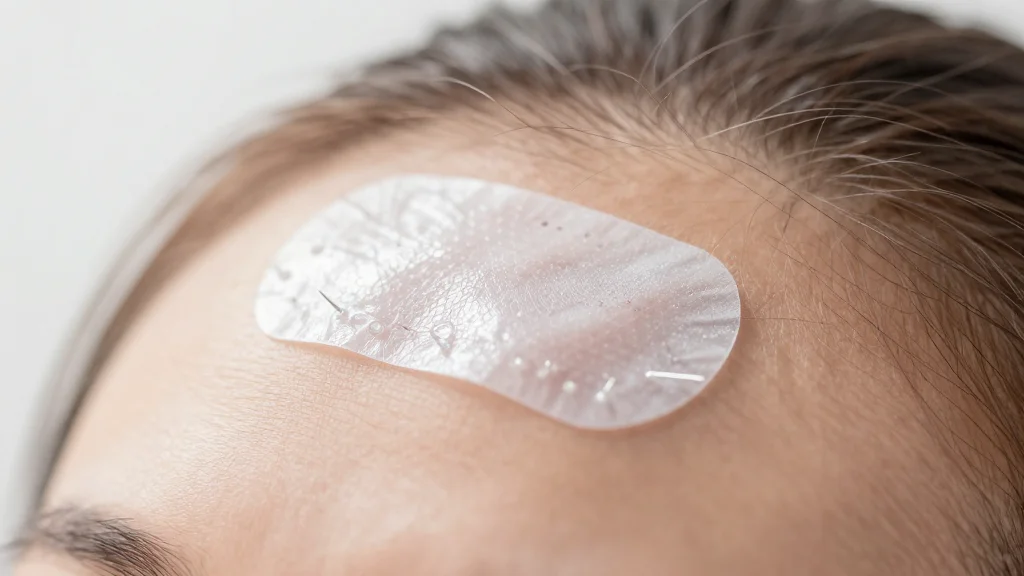
Hair loss remains a $3‑plus‑billion industry, driven by androgenetic alopecia affecting up to half of adults. Minoxidil, the active ingredient in Rogaine, has long been a first‑line therapy, yet its poor water solubility and limited skin permeability reduce its real‑world effectiveness. By embedding minoxidil in a dissolving microneedle matrix that incorporates stevioside—a sweetener extracted from the Stevia plant—researchers have created a dual‑function delivery system that both creates micro‑channels in the scalp and improves the drug’s solubility, addressing two major formulation challenges at once.
The study, published in Advanced Healthcare Materials, tested the patch on mice engineered to mimic human pattern baldness. Over a 35‑day period, treated areas exhibited hair regrowth in 67% of the target zone, compared with just 25% for conventional applications. The enhanced bioavailability stems from stevioside’s ability to increase minoxidil’s dissolution rate, allowing more of the active compound to reach hair follicles. This mechanistic boost not only accelerates the onset of action but also promises more consistent dosing, a frequent complaint among over‑the‑counter users.
If human trials replicate these results, the technology could disrupt the hair‑restoration market by offering a faster, more reliable, and potentially less irritating alternative to current topical treatments. Companies may pursue licensing deals or develop proprietary patches, while dermatologists could adopt the method as a standard adjunct to existing regimens. However, regulatory approval will hinge on safety data, especially regarding long‑term skin exposure to microneedles and stevioside. The next phase of research will determine whether this pantry‑derived compound can move from laboratory benches to bathroom shelves.
Scientists Found a Chemical That Could Help Regrow Your Hair. It Might Be In Your Pantry.
Comments
Want to join the conversation?
Loading comments...