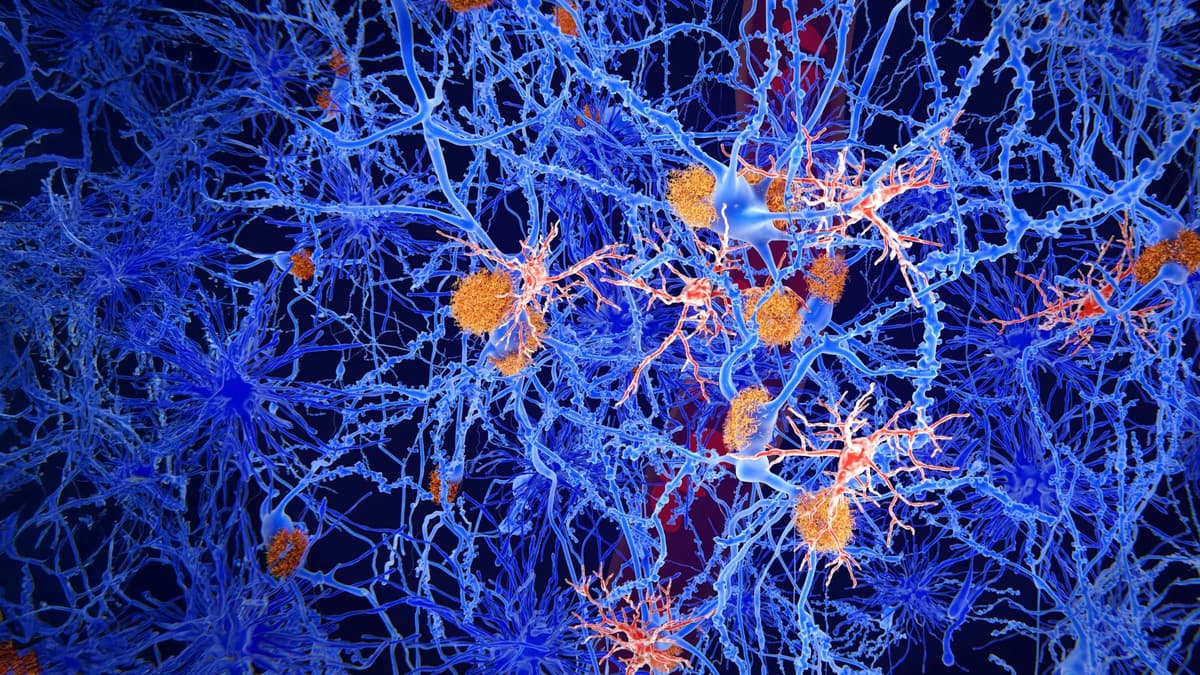
Scientists Reprogram Brain Immune Cells to Fight Alzheimer’s
Why It Matters
By reviving the brain's innate immune response, OLE offers a novel disease‑modifying strategy that could shift Alzheimer’s treatment from symptom management to underlying pathology control. Its patent protection accelerates the path toward clinical development and commercial investment.
Key Takeaways
- •OLE reprograms microglia to contain beta‑amyloid plaques
- •Treated mice showed improved memory and reduced plaque burden
- •Worm models confirmed OLE reduced protein aggregates and restored mobility
- •European patents filed, boosting translational prospects for Alzheimer’s therapy
Pulse Analysis
The breakthrough centers on OLE, a molecule derived from the PM20D1 gene, which appears to reset microglial activity from a degenerative to a protective state. Microglia, the brain’s resident immune cells, normally patrol and clear toxic beta‑amyloid deposits, but in Alzheimer’s they become dysfunctional. By nudging these cells back toward plaque‑engulfing behavior, OLE creates a physical barrier that limits neuronal exposure to amyloid toxicity, a mechanism distinct from conventional amyloid‑targeting antibodies.
Preclinical data reinforce OLE’s promise. In transgenic mice engineered to develop Alzheimer‑like pathology, three months of OLE administration led to measurable cognitive gains on standard memory tests and a noticeable shrinkage of plaque burden. Complementary experiments in C. elegans, a rapid‑turnover model, demonstrated reduced protein aggregation and restored motor function, suggesting the molecule’s effects are conserved across species. Single‑cell sequencing confirmed microglia as the primary responders, with up‑regulated pathways for phagocytosis and inflammation resolution.
The translational outlook is further strengthened by the filing of two European patents, positioning the discovery for partnership and funding opportunities. As the biotech sector seeks disease‑modifying Alzheimer’s candidates, OLE’s dual action—reinvigorating innate immunity while directly shielding neurons—aligns with emerging therapeutic paradigms that prioritize neuroinflammation control. Continued validation in larger animal models and early‑phase human trials will be critical, but the current evidence positions OLE as a compelling contender in the race to halt or reverse Alzheimer’s progression.
Scientists reprogram brain immune cells to fight Alzheimer’s
Comments
Want to join the conversation?
Loading comments...