Screening Indigenous People for This Heart Condition at 55 Can Prevent Strokes and Save Lives
Why It Matters
Earlier screening directly tackles the disproportionate stroke burden in Indigenous communities and narrows the heart‑health gap, delivering both clinical and equity benefits.
Key Takeaways
- •Indigenous Australians develop atrial fibrillation ~16 years earlier than non‑Indigenous
- •Screening at age 55 identified 29 AF cases in 619 participants
- •AF‑related strokes can be reduced 60‑70% with prompt treatment
- •Culturally‑tailored screening expands across 16 Aboriginal health services
Pulse Analysis
Atrial fibrillation (AF) is a silent driver of the stark stroke disparity affecting Aboriginal and Torres Strait Islander peoples. While the general Australian guideline recommends AF screening at 65, the new systematic review of 24 studies reveals that Indigenous Australians experience AF nearly 16 years earlier, largely due to higher rates of diabetes, hypertension, kidney disease and rheumatic heart disease. By shifting the screening threshold to age 55, clinicians can catch the arrhythmia before clots form, dramatically lowering the likelihood of severe, often fatal strokes.
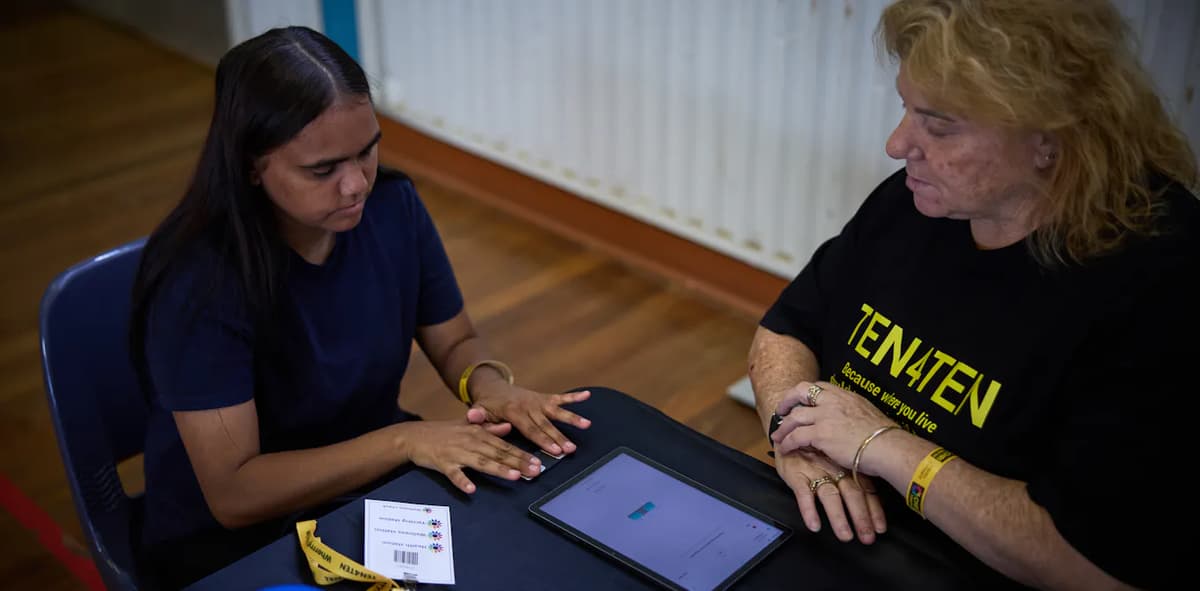
The pilot program, co‑designed with community leaders in Brewarrina and rolled out across 16 Aboriginal Community Controlled Health Services, demonstrated that a simple 30‑second single‑lead ECG is both acceptable and effective. Of the 619 participants aged 45 and up, 29 cases of AF were uncovered, prompting referrals for guideline‑based anticoagulation and lifestyle interventions. Importantly, the study highlighted treatment gaps: Indigenous patients with AF are less likely to receive recommended therapies, underscoring the need for culturally responsive follow‑up and removal of systemic barriers such as distance and racism.
Policy implications are clear. Amending national screening recommendations to reflect the earlier onset of AF in Indigenous populations aligns clinical practice with evidence and equity goals. Primary‑care providers can integrate a quick pulse check alongside routine blood‑pressure measurements, while the free five‑minute online training module equips clinicians with the knowledge to implement the change. Accelerating detection and treatment not only reduces stroke incidence by up to 70%, but also preserves independence, reduces long‑term disability costs, and moves Australia closer to closing its heart‑health gap.
Screening Indigenous people for this heart condition at 55 can prevent strokes and save lives
Comments
Want to join the conversation?
Loading comments...