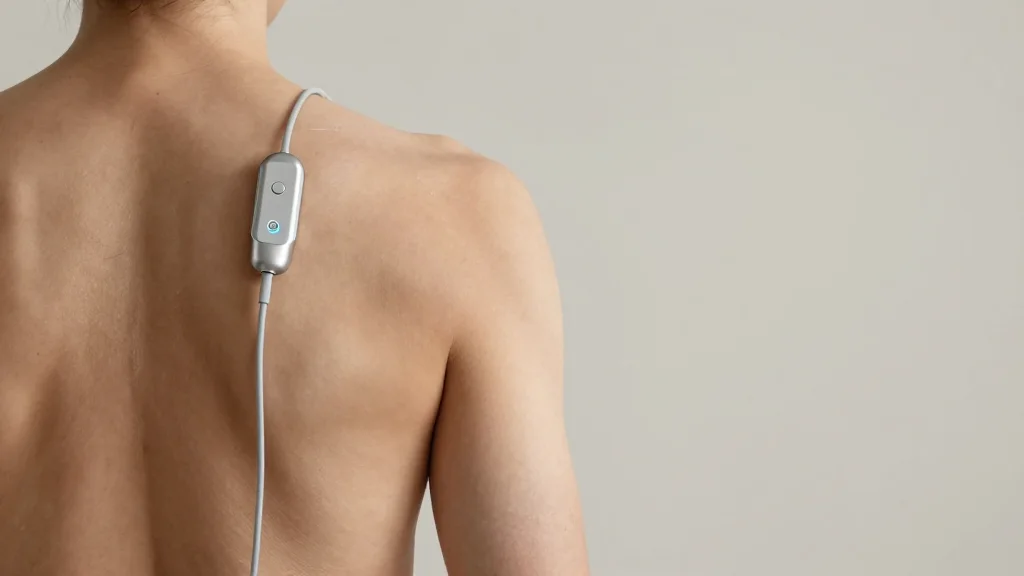
Spinal Cord Stimulation Boosts Arm Strength 32% in Chronic Stroke Patients

Why It Matters
The ability to restore arm function years after a stroke addresses a major unmet need for millions of survivors who struggle with daily activities such as dressing, feeding, and personal hygiene. By demonstrating that meaningful strength gains are possible with limited training, the study challenges the prevailing belief that chronic stroke deficits are largely irreversible. Successful scaling of this technology could reduce long‑term disability costs, lessen caregiver burden, and improve quality of life for a population that has historically seen little therapeutic progress. Beyond individual outcomes, the trial signals a broader shift toward neuromodulation as a cornerstone of neurorehabilitation. As the field moves beyond pain management into functional restoration, regulatory frameworks, reimbursement models, and clinical guidelines will need to adapt, potentially reshaping the economics of post‑stroke care.
Key Takeaways
- •Seven chronic stroke patients saw a 32% average increase in arm strength after four weeks of cervical epidural spinal cord stimulation.
- •The protocol required fewer than nine hours of movement‑based training, far less than standard intensive rehab programs.
- •All participants experienced immediate strength gains when the device was active and a reduction in muscle spasticity.
- •Stroke causes roughly 400,000 new cases of chronic arm weakness in the U.S. each year, highlighting the scale of unmet need.
- •Researchers plan a multicenter expansion later in 2026 to test durability of gains and broader applicability.
Pulse Analysis
The Pittsburgh pilot underscores a turning point in chronic stroke therapy, where technology can bridge the gap left by conventional rehabilitation. Historically, neuroplasticity‑driven recovery has been limited to the first six months post‑stroke; this study suggests that targeted spinal cord stimulation can reactivate dormant pathways even years later. The rapid, on‑demand nature of the device aligns with emerging trends in personalized medicine—delivering therapy precisely when the nervous system is most receptive.
From a market perspective, the data could catalyze investment in next‑generation neuromodulation platforms. Companies that have focused on spinal stimulation for pain are now eyeing the neurorehabilitation segment, where the addressable market runs into billions of dollars when accounting for chronic stroke prevalence and associated care costs. However, the invasive implantation requirement may limit early adoption to high‑volume academic centers unless less invasive alternatives emerge.
Looking ahead, the key to mainstream acceptance will be robust evidence of long‑term functional benefit and cost‑effectiveness. If subsequent trials confirm sustained improvements and reduced caregiver expenses, insurers are likely to incorporate spinal cord stimulation into stroke care pathways. This could trigger a cascade of policy revisions, reimbursement codes, and training programs for clinicians, ultimately reshaping the standard of care for chronic stroke survivors.
Spinal Cord Stimulation Boosts Arm Strength 32% in Chronic Stroke Patients
Comments
Want to join the conversation?
Loading comments...