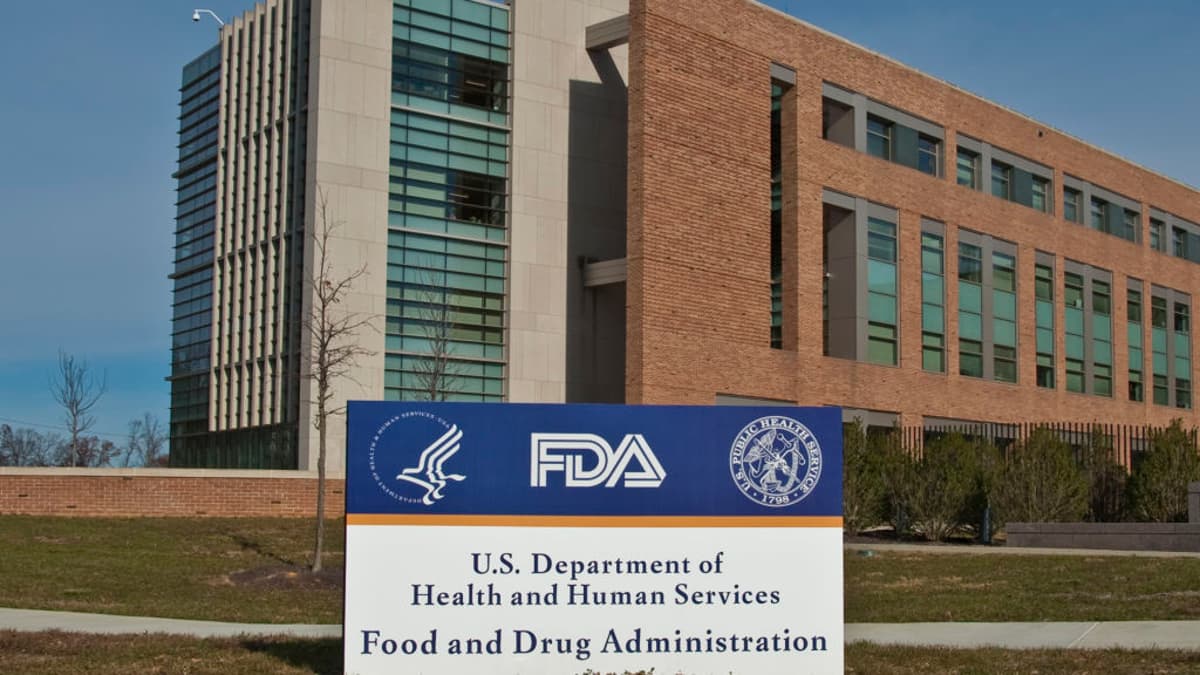
STAT+: FDA Approves Leucovorin for Rare Disorder without Trial Data
•March 11, 2026
0
Why It Matters
The move could speed patient access to treatments for ultra‑rare diseases while prompting debate over evidentiary standards for future approvals. It signals a regulatory shift that may influence biotech investment strategies and orphan‑drug development pipelines.
Key Takeaways
- •FDA approved leucovorin for rare metabolic disorder
- •Approval based on historical use, not new trials
- •Sets precedent for data-light drug approvals
- •May accelerate access for orphan diseases
- •Raises regulatory scrutiny over evidentiary standards
Pulse Analysis
Leucovorin, traditionally used as a rescue agent in chemotherapy and for folate‑deficiency disorders, has now received FDA approval for a specific rare metabolic condition. The agency’s decision bypassed the conventional requirement for randomized controlled trials, instead drawing on extensive real‑world usage data and safety profiles accumulated over decades. By invoking the accelerated approval pathway and leveraging historical evidence, regulators aim to address unmet medical needs where patient populations are too small to support large‑scale studies.
For biotech firms, this approval underscores a growing willingness to accept alternative data sources when pursuing orphan‑drug designations. Investors watch such regulatory signals closely, as they can reduce development timelines and lower costs, potentially enhancing the commercial attractiveness of niche therapeutics. However, reliance on limited trial data also raises concerns about efficacy certainty and post‑marketing surveillance, prompting companies to design robust real‑world evidence programs to satisfy ongoing FDA oversight.
The broader industry impact may be profound: if the FDA continues to endorse data‑light pathways, more companies could target ultra‑rare indications, expanding treatment options for patients historically left without options. Yet, this trend also pressures policymakers to balance rapid access with rigorous safety standards, ensuring that expedited approvals do not compromise patient outcomes. Ongoing dialogue among regulators, manufacturers, and patient advocacy groups will shape how such precedents evolve in the coming years.
STAT+: FDA approves leucovorin for rare disorder without trial data
0
Comments
Want to join the conversation?
Loading comments...